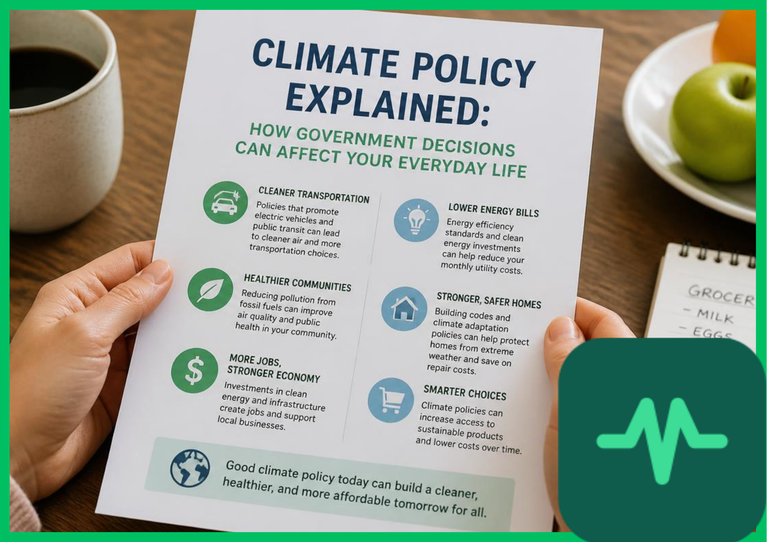
The phrase "climate policy" can sound distant. It might bring to mind international summits and thick government documents nobody actually reads.
The truth is much closer to home, though. Climate policy touches everyday life in real, tangible ways. It influences the cars people buy. It shapes electricity systems. It sets building standards. It drives the development of renewable energy and clean technology.
In simple terms, climate policy just means government actions designed to address climate change. Nothing more mysterious than that.
Why Governments Create Climate Policies
Climate change creates real risks for societies and economies alike. Governments create policies to reduce greenhouse-gas emissions and prepare for climate impacts already underway.
Different countries take different approaches, though. Some support renewable energy projects directly. Others set vehicle-emission standards instead. Some introduce energy-efficiency rules. Others offer incentives for clean technologies. There's no single playbook everyone follows.
Renewable Energy Policy
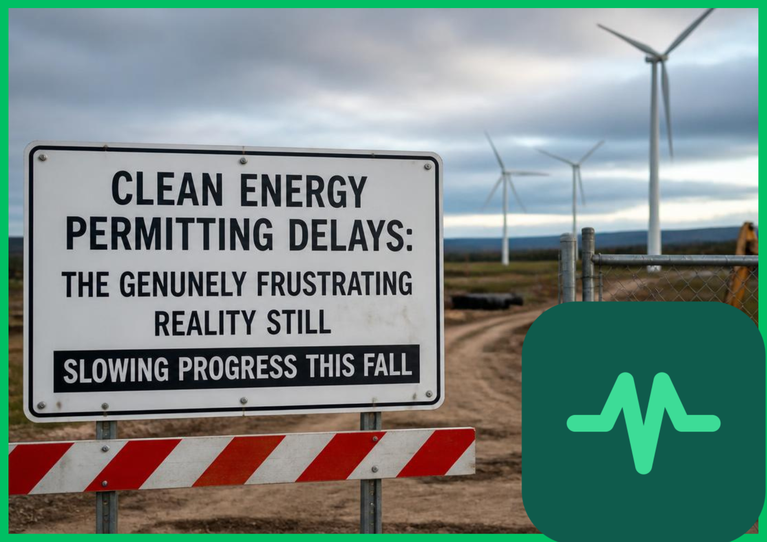
Governments shape how fast renewable energy actually develops. They might support solar and wind projects financially. They might streamline slow permitting processes. They might set clear national targets. They might create direct financial incentives too.
These decisions affect how quickly clean-energy technologies actually reach the market and become affordable for everyday people.
Electric Vehicle Policy
Transportation is another major policy battleground. Governments can encourage electric vehicles through purchase incentives. They can set emissions standards that push automakers toward cleaner designs. Some support charging infrastructure directly with public funding.
These policies genuinely influence EV prices and availability. So the next time you're comparing cars, you're likely seeing climate policy at work, whether you notice it or not.
Building Standards
Buildings consume enormous amounts of energy. Government building standards play a real role in managing that consumption.
Rules might cover insulation requirements. They might address window efficiency. They might set minimum standards for heating and cooling systems. Better building standards reduce energy demand. They also tend to improve comfort for the people actually living inside.
Appliance Efficiency
Climate policy reaches into household appliances too. Governments can set minimum efficiency standards that manufacturers must meet. They can require energy labels on products, helping you compare options at a glance.
Two refrigerators might look nearly identical on a showroom floor. Their lifetime energy use, though, can differ dramatically. That difference often traces straight back to policy decisions made years earlier.
Carbon Pricing
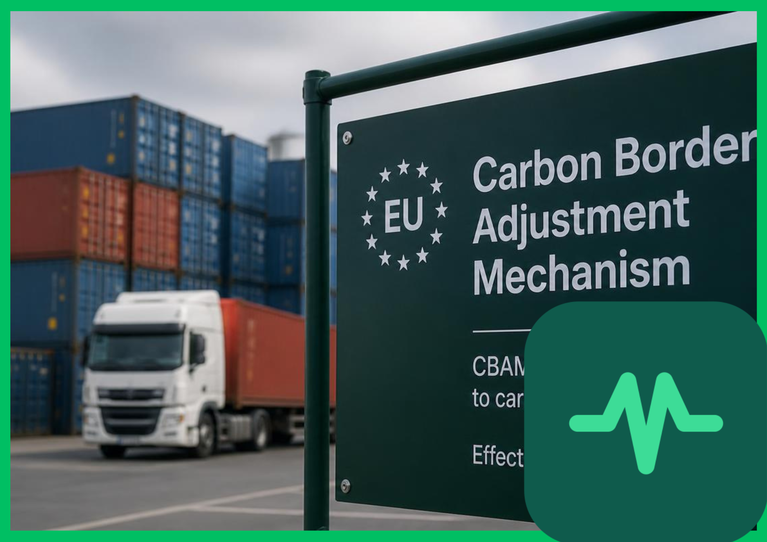
Some governments put an actual price on carbon emissions. The goal is straightforward: make emitting greenhouse gases more expensive, which nudges everyone toward cleaner alternatives.
Carbon pricing takes different forms depending on the country. For consumers, the effects usually show up indirectly, through shifts in the cost of energy, products, and transportation.
Climate Policy Can Create New Markets
Policy isn't only about restrictions. It creates real opportunities too. When governments support clean technologies, companies invest in new products to meet that demand.
This accelerates innovation across the board. Solar panels keep improving. Batteries keep getting cheaper. EV charging networks keep expanding. Energy-management systems keep growing more advanced. Good policy can act like fuel poured on the fire of innovation.
Climate Policy Can Affect Jobs
The clean-energy transition is creating real demand for new skills. Solar installers are needed. Battery technicians are needed. Electric-vehicle specialists are needed. Engineers and software developers matter more than ever in this shift too.
At the same time, some traditional industries face major disruption. Climate policy, in other words, doesn't just shape technology. It shapes the labor market too.
Consumers Should Watch Policy Changes
Here's something worth remembering: government policy isn't permanent. An incentive available today may disappear tomorrow. A new tax might get introduced. A subsidy might shrink. A stricter efficiency standard might arrive without much warning.
Check current rules before making major purchasing decisions. This matters especially for expensive technology like solar systems, EVs, and home batteries, where incentives can meaningfully affect the final price you pay.
Climate Policy Is Not the Same Everywhere
There's no single global climate policy that applies everywhere equally. Countries have different economies. They have different energy resources available to them. They face different development needs entirely.
Because of this, policies vary widely from place to place. A policy that works beautifully in one country may not translate the same way somewhere else with different circumstances.
Why Consumers Should Care
You might reasonably ask: why should I care about government climate policy at all?
The answer is simple. Policy shapes the products available to you. It shapes their prices. It shapes how your electricity gets generated. It shapes transportation options in your area. It shapes the infrastructure that surrounds your daily life.
Understanding climate policy, in other words, helps you make genuinely better decisions, whether you're buying a car, choosing an appliance, or considering solar panels.
The Challenge of Affordability
Climate action always has to weigh affordability too. A clean technology can offer real environmental benefits. If it's too expensive, though, many consumers simply can't adopt it, no matter how much they might want to.
This creates a genuinely difficult balancing act for governments. They need to cut emissions. At the same time, they need to consider household budgets and energy security, not just environmental targets in isolation.
The Importance of a Fair Transition
The shift toward cleaner energy doesn't affect everyone equally. Some households can easily afford solar panels. Others simply can't. Some people can charge an EV at home overnight. Others live in apartments with no such option.
Some workers can move smoothly into new clean-energy jobs. Others need real retraining and support to make that leap. Good policy has to account for these very real differences, not assume everyone starts from the same place.
Climate Policy and Innovation
Policy can push companies to invest in technologies that might otherwise take far longer to develop on their own. Stronger emissions rules encourage automakers to build cleaner vehicles faster. Energy-efficiency standards push appliance manufacturers to improve their products. Renewable-energy policies encourage real investment in new power projects.
In this way, policy actively shapes the direction of technological innovation, not just its pace.
What Happens Next?
Climate policy will keep evolving. Energy security is becoming an increasingly urgent priority. Electricity demand is shifting as homes and transportation electrify. EV adoption keeps growing. Renewable energy keeps expanding. Batteries keep improving.
All of these trends mean governments will keep facing real decisions about infrastructure, markets, and technology in the years ahead. Nothing about this picture is static.
EcoGreenPulse View
Climate policy isn't simply a government issue tucked away in distant capitals. It's a genuine consumer issue too.
Government decisions shape what products are available to you, how much energy actually costs, and which technologies get real investment and development. For everyday consumers, understanding this policy landscape makes the whole clean-energy transition feel far less confusing, and far more navigable.
Conclusion
Climate policy affects far more than distant emissions targets. It touches electricity. It touches cars. It touches buildings, appliances, jobs, investment, and technology, all at once.
The most important question for consumers isn't just what governments promise on paper. It's how those policies actually show up in everyday choices, from the car in your driveway to the appliance humming in your kitchen.
As the global energy system keeps changing, consumers who understand climate policy will be genuinely better prepared for both the opportunities and the challenges still ahead.
Sources: International Energy Agency; International Renewable Energy Agency; United Nations climate-policy resources.

Comments (0)
Login to leave a comment.
No comments yet. Be the first to share your thoughts!