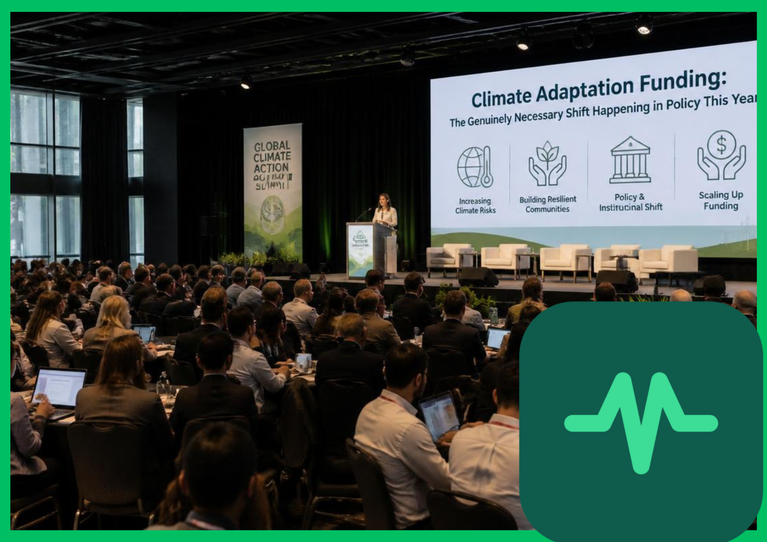
Let's talk honestly about this important shift.
Why Adaptation Genuinely Differs From Prevention
Climate mitigation genuinely means reducing future emissions, the work we've discussed throughout solar, wind, and EV policy conversations. Climate adaptation funding genuinely means something different, preparing communities to genuinely handle the climate impacts already happening now, regardless of future prevention success.
Both genuinely matter, but adaptation has historically received far less genuine attention and funding.
Why This Genuine Gap Existed for So Long
Prevention genuinely felt more urgent and hopeful to policymakers, stopping the problem at its source rather than accepting and preparing for damage already occurring. This genuine mindset, though understandable, left many vulnerable communities without adequate real protection against impacts already happening.
What Climate Adaptation Funding Actually Supports
This genuinely includes stronger flood defenses, improved drainage systems, heat-resistant infrastructure, and emergency preparedness resources for communities genuinely facing more frequent, more severe extreme weather events.
It also genuinely supports research into resilient agriculture and water management, helping communities genuinely adapt their daily lives to shifting climate patterns.
Why 2026 Has Genuinely Brought Real Momentum Here
Following several genuinely severe weather events making headlines this year, floods, heat waves, and storms causing real, significant damage, policymakers have genuinely increased attention and funding toward adaptation efforts specifically.
This shift genuinely reflects honest acknowledgment that some climate impacts are already genuinely locked in, regardless of future prevention success.
Why This Genuinely Matters for Vulnerable Communities
Lower-income communities and those in genuinely high-risk areas often lack resources to independently prepare for extreme weather. Climate adaptation funding genuinely aims to provide this support where it's genuinely needed most, rather than leaving vulnerable populations to fend for themselves.
Why This Feels Like Genuine, Honest Acknowledgment
There's something genuinely important about policy finally, honestly acknowledging that prevention alone isn't enough. Climate adaptation funding represents genuine, practical realism, preparing for reality rather than only hoping prevention efforts succeed fast enough.
The Honest Tension Between Adaptation and Prevention Funding
Let's be fair about real, ongoing debate here. Some genuinely worry that adaptation funding could reduce urgency around prevention efforts, essentially accepting climate change rather than genuinely fighting it. Others genuinely argue both approaches are necessary simultaneously, not competing priorities.
Why This Matters for Your Own Community
If you genuinely live in an area prone to flooding, extreme heat, or severe storms, climate adaptation funding could genuinely mean real infrastructure improvements protecting your own home and neighborhood in coming years.
What Comes Next for This Policy Area
Expect continued, growing attention toward climate adaptation funding as extreme weather events keep genuinely demonstrating the real, immediate need for community-level preparation, alongside ongoing prevention efforts.
Common Questions
How does climate adaptation genuinely differ from prevention efforts?
Adaptation genuinely prepares communities for climate impacts already happening, while prevention focuses on reducing future emissions.
Why has this funding genuinely grown in 2026?
Severe weather events this year have genuinely highlighted the real, urgent need for community preparation and resilience.
Does adaptation funding genuinely replace prevention efforts?
No, most policymakers genuinely view both as necessary, complementary approaches, not competing priorities.
Final Thoughts
Climate adaptation funding in 2026 represents genuinely necessary, honest policy evolution. Preparing communities for real, current climate impacts matters just as much as preventing future warming, and this shift deserves real, genuine recognition.


Comments (0)
Login to leave a comment.
No comments yet. Be the first to share your thoughts!