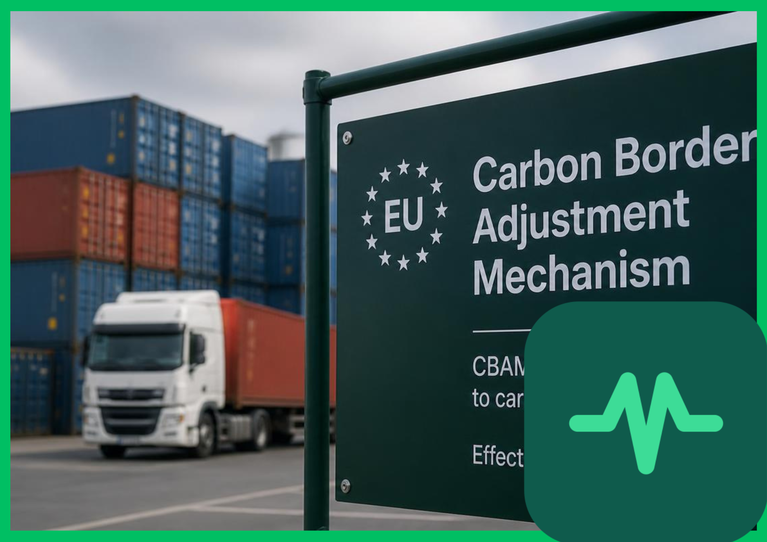
Let's break this down simply, without the confusing policy jargon.
Why This Policy Genuinely Exists in the First Place
Some countries genuinely enforce strict rules limiting carbon emissions from manufacturing. Others genuinely allow much higher emissions with fewer restrictions. This genuine imbalance creates an unfair situation where companies in strict-rule countries genuinely compete against cheaper, more polluting imports from less regulated places.
Carbon border adjustment policy genuinely aims to level this playing field.
How This Policy Actually Works
Under this genuine approach, imported goods genuinely face additional fees based on how much carbon emission occurred during their manufacturing. Products made using genuinely dirtier, more carbon-intensive processes genuinely face higher fees than those made more cleanly.
This genuinely removes the unfair cost advantage that heavily-polluting manufacturers previously enjoyed when competing against cleaner producers.
Why 2026 Has Genuinely Brought Real Implementation
What existed as genuinely theoretical policy discussion has now genuinely moved into real, active enforcement in several regions this year. Manufacturers and importers are genuinely adjusting real business practices in direct response to these new, tangible requirements.
Why This Genuinely Matters for Everyday Consumers
As carbon border adjustment policy genuinely takes effect, some imported goods may genuinely see price increases, reflecting the real cost of their carbon-intensive manufacturing process. Meanwhile, cleaner, domestically manufactured alternatives may become genuinely more price-competitive by comparison.
Why Manufacturers Are Genuinely Racing to Clean Up Production
Facing genuine new costs for carbon-intensive manufacturing, many companies have genuinely accelerated investment in cleaner production methods, hoping to avoid these fees entirely by genuinely reducing their emissions footprint proactively.
This creates a genuine, real incentive for cleaner manufacturing that didn't genuinely exist as strongly before this policy took effect.
Why This Feels Like Genuine, Meaningful Global Progress
There's something genuinely satisfying about watching trade policy genuinely reward cleaner manufacturing rather than simply ignoring the environmental cost of how goods actually get produced. This represents real, structural progress beyond individual consumer choices alone.
The Honest Complexity and Controversy Worth Understanding
Let's be fair about genuine tension here. Some countries genuinely view this policy as unfair trade protectionism disguised as environmental concern. Others genuinely argue it's simply fair, honest accounting for real environmental costs that were previously ignored entirely.
This genuine disagreement continues shaping international trade discussions throughout 2026.
Why This Matters Beyond Just Trade Policy Wonks
Even if you genuinely never think about international trade policy, this rule genuinely affects prices on goods you buy, and genuinely influences which manufacturing practices companies choose to adopt going forward.
What Comes Next for This Policy
Expect continued, evolving implementation and likely genuine adjustments as more regions consider adopting similar carbon border adjustment policies, building on 2026's real, active enforcement experience.
Common Questions
Why does carbon border adjustment policy genuinely matter to regular consumers?
It can genuinely affect prices on imported goods, while potentially making cleaner, domestic alternatives more competitive.
Is this policy genuinely being enforced now?
Yes, several regions have genuinely moved from theoretical planning into real, active enforcement in 2026.
Why do some countries genuinely oppose this policy?
Some view it as genuinely unfair trade protectionism, while supporters see it as fair environmental cost accounting.
Final Thoughts
Carbon border adjustment policy in 2026 represents genuinely complex but meaningful progress in aligning global trade with real environmental costs. This quiet policy deserves honest attention, even without flashy headlines.



Comments (0)
Login to leave a comment.
No comments yet. Be the first to share your thoughts!