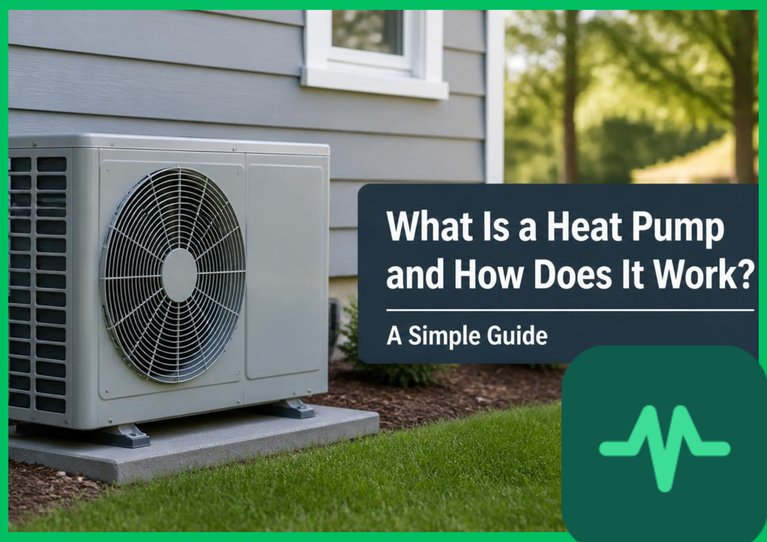
A heat pump is a device that moves heat from one place to another. That may sound surprising at first. The basic idea, though, is simple.
Think of a refrigerator. It moves heat from inside the fridge to the outside. A heat pump uses that same basic principle. It moves heat into or out of a building instead.
This means one system can provide heating. Many heat pumps can also provide cooling. That dual function makes the technology especially useful for homes and buildings.
How Does a Heat Pump Work?
A heat pump uses electricity to move heat. It doesn't create heat by burning fuel. Instead, it transfers heat from one location to another.
For heating, an air-source system pulls heat from outdoor air. It raises the temperature of that heat, then moves it indoors.
For cooling, the process simply reverses. Heat gets pulled out of the building and released outside. This is exactly why many heat pumps can handle both heating and cooling in a single system.
Why Are Heat Pumps Considered Efficient?
A conventional electric resistance heater converts electricity directly into heat. A heat pump works differently. It uses electricity to move existing heat instead of creating new heat from scratch.
Because of this, a heat pump can often deliver more heat energy than the electrical energy it consumes, under the right conditions. Exact performance varies by system and by weather.
Still, this is exactly why heat pumps are considered such an important efficiency technology. The International Energy Agency describes heat pumps as a key tool for efficient heating and cooling, and for reducing reliance on fossil fuels.
Air-Source Heat Pumps
Air-source systems are the most common type. They pull heat from outdoor air and transfer it into a building.
The same equipment often runs in reverse for cooling too. This makes air-source heat pumps especially useful in homes that need both heating and cooling across the year.
Performance still depends on outdoor temperature and system design, so not every unit performs the same way in every climate.
Ground-Source Heat Pumps
Ground-source heat pumps use the ground itself as a heat source or heat sink. In many locations, ground temperature stays more stable than outdoor air. That stability can mean more consistent performance.
Installation, however, tends to be more complex. Ground loops need space and real construction work. That complexity often makes ground-source systems more expensive to install. As a result, they aren't the right fit for every property.
Can Heat Pumps Work in Cold Weather?
Yes. Modern heat pumps can operate in cold climates. Performance still varies, though.
As outdoor temperatures drop, an air-source system may need to work harder. Some systems add supplemental heating for particularly harsh conditions. This is exactly why consumers should choose equipment designed for their specific climate. A system built for a mild climate may struggle in a very cold one.
Heat Pumps Can Also Cool Homes
This is a real advantage worth highlighting. A traditional heating system usually only heats. A heat pump often does both.
In warm weather, the system simply reverses its operation. Instead of moving heat indoors, it pulls heat out of the building. This dual capability makes heat pumps genuinely useful in regions with both hot and cold seasons.
Heat Pumps and Electricity
Heat pumps run on electricity, which means their environmental impact depends partly on how that electricity gets generated.
A heat pump powered by a grid rich in renewable energy will have a different emissions profile than one running on a grid still dependent on fossil fuels. Even so, improved efficiency still reduces overall energy demand compared to less efficient heating options, regardless of the grid mix.
Heat Pumps Can Work With Solar
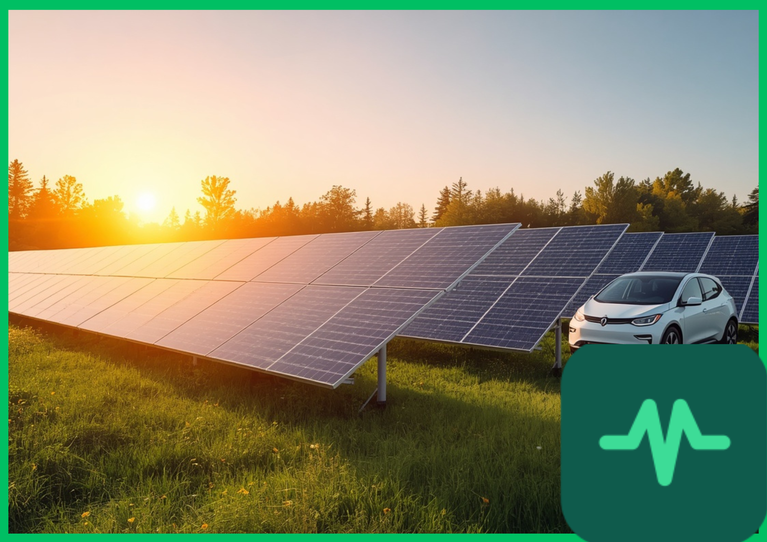
A household with solar panels can use some of that solar electricity to run a heat pump directly. This creates a genuinely efficient combination.
Solar panels generate electricity. The heat pump uses that electricity for heating or cooling. A battery can store any excess power. Smart controls can coordinate the whole system. Together, these pieces form a more efficient home energy setup overall.
What About Installation Costs?
Upfront cost is one of the biggest factors to weigh. Heat pumps can require more expensive installation than some conventional heating systems.
The final price depends on several things:
- System type
- Home size
- Installation complexity
- Climate
- Existing heating system
- Electrical requirements
- Local labor costs
Given all these variables, it's worth comparing complete installation quotes rather than relying on a single estimate.
Operating Costs Matter Too
Purchase price is only part of the decision. A more efficient system often comes with lower operating costs down the line.
Compare expected electricity use against the cost of alternative heating or cooling methods. Factor in local electricity and fuel prices. Also consider how many hours the system will realistically run each year.
Insulation Can Make a Big Difference
Installing a heat pump in a poorly insulated building can undercut its performance significantly. If heat escapes quickly, the system has to work much harder to compensate.
Good insulation reduces both heating and cooling demand. Sealing unwanted air leaks helps too. Sometimes, improving the building itself matters just as much as upgrading the heating system.
Heat Pumps and Air Quality
Unlike combustion-based heating systems, an electric heat pump doesn't burn fuel inside the home. That means no indoor combustion from the unit itself.
This is a real advantage compared to some fuel-burning systems. That said, ventilation and indoor air quality remain important considerations for any home, regardless of heating type.
Are Heat Pumps Noisy?
Modern heat pumps are generally designed to run quietly. Noise levels still vary between products, though.
The outdoor unit can produce some sound, so installation location matters. Check the manufacturer's noise rating before buying. Also think about nearby neighbors and bedroom placement when planning where the unit goes.
How Long Do Heat Pumps Last?
A properly maintained system can run for many years. Individual components will eventually need replacement, though.
Lifespan depends on equipment quality, installation, and ongoing maintenance. Check warranty terms carefully. Also confirm that local technicians can actually service the equipment you're considering.
Government Support Can Matter
Some countries offer incentives for heat pump installation, including:
- Rebates
- Tax incentives
- Grants
- Low-interest financing
- Energy-efficiency programs
Support varies by country and can change over time. Always check official government sources before assuming any incentive applies to your situation.
Heat Pumps and the Energy Transition
The IEA says heat pumps are an important part of improving building efficiency and cutting fossil-fuel use in heating. This matters a great deal, since heating and cooling account for a large share of global building energy demand.
As electricity grids get cleaner over time, the environmental benefits of efficient electric heating will only grow alongside them.
Who Should Consider a Heat Pump?
A heat pump may be worth considering if your household:
- Needs heating
- Needs cooling
- Wants to reduce fossil-fuel use
- Has suitable electrical service
- Wants one system for heating and cooling
- Is building a new home
- Is replacing an old heating or cooling system
That said, suitability still depends heavily on location and building design.
What Should Consumers Ask an Installer?
Before purchasing, ask:
- Is this system suitable for my climate?
- What is its expected efficiency?
- What size system does my home need?
- Will my electrical system support it?
- What will installation cost?
- What maintenance is required?
- What is the warranty?
- Are spare parts available locally?
These questions can help you avoid a poor installation decision before it happens.
EcoGreenPulse View
The heat pump is a strong example of clean technology that's also genuinely practical for everyday households. It combines heating and cooling in one system. It uses electricity efficiently. It can work alongside solar panels and smart-home technology too.
Still, it isn't a universal solution. Climate, building design, installation quality, and local electricity prices all shape whether it's the right fit.
Conclusion
A heat pump moves heat rather than creating it through fuel combustion. That single distinction makes it an important energy-efficiency technology.
Many systems handle both heating and cooling. They can also work alongside solar panels, batteries, and smart controls to build a more complete home energy system.
For homeowners, the right choice depends on the building, the climate, and local energy prices. As more households search for efficient ways to heat and cool their homes, heat pumps are likely to keep growing in importance.
Source: International Energy Agency, heat-pump and buildings resources.

Comments (0)
Login to leave a comment.
No comments yet. Be the first to share your thoughts!