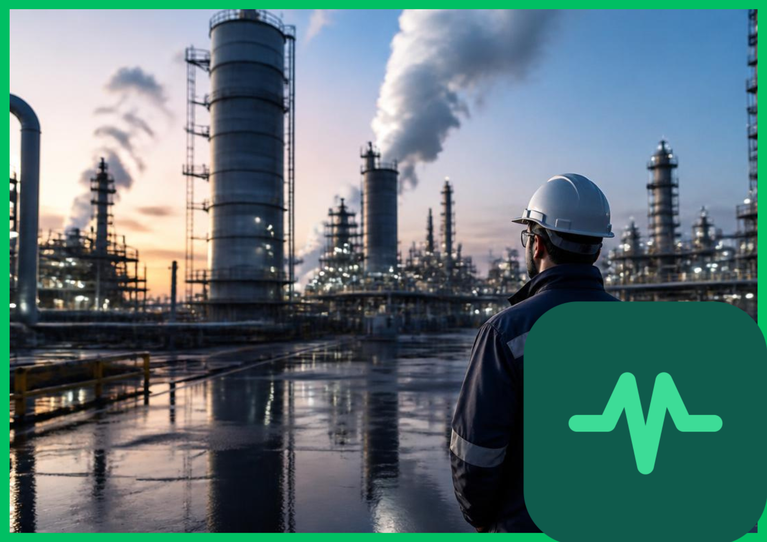
Let's talk honestly about what's actually changing, and why it genuinely matters.
Why Factories Genuinely Matter So Much
Manufacturing genuinely requires enormous heat and energy, often from processes that have relied on fossil fuels for over a century. This makes industrial decarbonization genuinely harder than switching a car to electric power, since some manufacturing processes need extreme heat that electricity alone struggles to provide efficiently.
What's Genuinely New in 2026
Several manufacturers have genuinely begun deploying real, working alternatives at commercial scale this year, rather than just pilot testing. Electric arc furnaces, hydrogen-based processes, and captured-carbon techniques are genuinely moving from experimental to operational in real facilities.
This shift from "someday" to "happening now" marks genuinely important progress for an industry that's historically moved slowly.
Why "Green Steel" Represents Genuine Hope
Steel production has genuinely been one of the hardest industries to clean up, given how much heat and carbon-intensive processing it traditionally requires. This year has genuinely seen real green steel facilities begin operating, using hydrogen instead of coal in the manufacturing process.
This matters enormously, since steel touches nearly everything we build, buildings, vehicles, infrastructure.
Why This Genuinely Matters for Jobs
Industrial decarbonization genuinely creates real employment opportunities, engineers, technicians, and skilled trades workers needed to build and operate these new, cleaner facilities. For communities built around traditional manufacturing, this genuinely offers a path forward rather than a threat to livelihoods.
The Honest Cost Challenge Still Facing This Shift
Let's be fair about real hurdles. Cleaner manufacturing processes genuinely cost more right now than traditional methods. Companies need real incentive, through policy support or genuine consumer demand, to justify this transition at scale.
Why Government Support Has Genuinely Grown
Recognizing these cost challenges, financial incentives supporting industrial decarbonization have genuinely expanded this year, helping bridge the gap between traditional and cleaner manufacturing methods.
Why This Feels Like Genuine, Necessary Progress
There's something genuinely important about tackling the less glamorous parts of the climate puzzle. Industrial decarbonization won't inspire the same excitement as a sleek new EV, but it addresses genuinely massive amounts of emissions hiding in plain sight.
What This Means for Products You Buy
As more manufacturers genuinely adopt cleaner processes, products built from steel, cement, and other materials will genuinely carry a smaller hidden carbon footprint, even if you never see this shift directly reflected on a price tag or label.
Common Questions
Why is industrial decarbonization genuinely harder than other climate solutions?
Many manufacturing processes require extreme heat that's genuinely difficult to generate cleanly compared to simply switching to electric power.
What is green steel exactly?
Steel produced using hydrogen or other clean methods instead of traditional coal-based processes.
Is this industry genuinely making real progress in 2026?
Yes, several facilities have moved from pilot testing into genuine commercial operation this year.
Final Thoughts
Industrial decarbonization in 2026 represents the unglamorous, genuinely important work of cleaning up manufacturing's massive carbon footprint. It won't make flashy headlines, but it might genuinely matter as much as any other climate technology we've discussed.




Comments (0)
Login to leave a comment.
No comments yet. Be the first to share your thoughts!