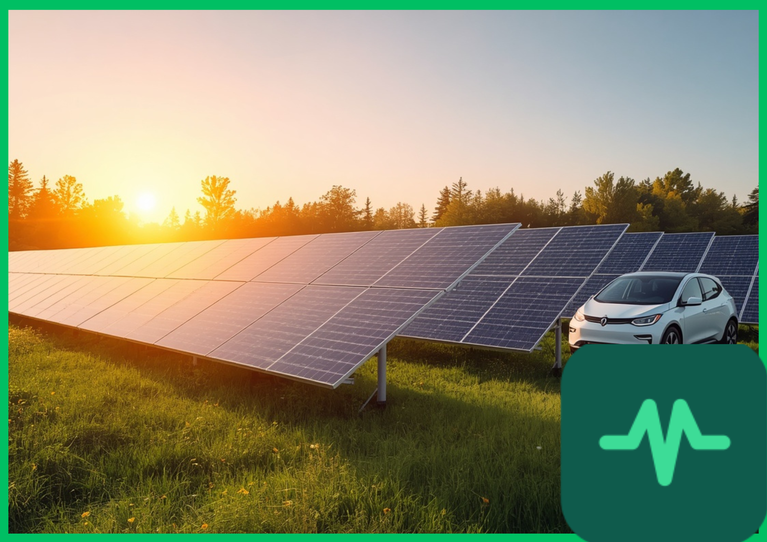
Together, these tools are changing how the world makes power. They are also changing how the world uses that power. This shift touches nearly every part of daily life now.
In this guide, we will explore how clean energy technology is spreading. We will look at solar, batteries, EVs, and heat pumps. We will also look at why manufacturing and supply chains matter so much. By the end, you will understand why clean energy technology has become a mainstream economic force, not just an environmental trend.
Technology Is Changing the Energy System
Clean energy technology keeps growing more important to the global economy. Solar panels are getting cheaper every year. Battery storage keeps expanding fast. Electric cars are becoming a common sight on roads.
Heat pumps are changing how buildings get heated too. Together, all these tools are reshaping how energy gets produced. They are also reshaping how energy gets used. This is not a small shift. It touches homes, businesses, and entire national economies at once.
Solar Is Leading
Solar power stands out as one of the strongest examples of this shift. The IEA reports that solar PV capacity additions exceeded 600 GW in 2025. That is a massive number. It makes solar one of the most important types of clean energy technology today.
Lower equipment costs helped drive this growth. Bigger manufacturing scale helped too. As factories produce more panels, each one gets cheaper to make. This creates a steady cycle of falling prices and rising adoption across the world.
Batteries Are Expanding
Battery storage represents another major piece of this puzzle. The IEA estimates that 108 GW of new battery storage capacity got deployed in 2025 alone. That is a huge jump from previous years.
Batteries help electricity systems store power for later use. They also support solar and wind integration directly. As renewable generation keeps growing, battery demand should stay strong for years to come. This makes batteries a central pillar of clean energy technology moving forward.
EVs Are Part of the Energy Transition
Electric vehicles connect transportation directly to the electricity grid. The IEA reports that global electric car sales reached about 21 million in 2025. One in four new cars sold that year was electric. That is a remarkable shift in just a few years.
EVs represent another major branch of clean energy technology. They also create new demand elsewhere. They need batteries. They need charging networks. They need more electricity overall. This ripple effect touches industries far beyond just car manufacturing.
Heat Pumps Are Important Too
Heat pumps deserve real attention as well. They use electricity to move heat instead of burning fuel to create it. This makes them a genuinely clever form of clean energy technology, often overlooked next to flashier solar panels and EVs.
European heat pump sales increased by 11% in 2025. Global sales did dip slightly overall, though. Still, the technology remains genuinely important. As more regions push for cleaner heating, heat pumps are likely to keep growing steadily.
Manufacturing Is Becoming Strategic
Clean technology is also reshaping industrial competition between nations. Countries want to build their own solar panels. They want their own battery factories. They want domestic EV production too.
Access to critical minerals matters enormously here as well. As a result, clean energy technology is becoming a core piece of national industrial policy, not just an environmental talking point. Governments now treat this sector as a genuine economic priority.
Supply Chains Matter
The global clean technology industry depends heavily on international supply chains. Solar panels need raw materials and manufacturing capacity. Batteries need minerals and processing facilities. Electric vehicles need complex components sourced from many places.
This creates real opportunity for countries with strong manufacturing bases. However, it also creates real risk. Countries that depend too heavily on imports may face exposure if supply chains get disrupted. This is why many governments now treat clean energy technology as a matter of national resilience, not just environmental policy.
The Grid Is Another Technology Market
Clean energy is not only about generating power. The electricity grid itself needs serious technology upgrades too. Digital systems help operators manage power flows more efficiently.
Smart meters give households and utilities better information. Battery systems can respond quickly to shifting demand. Software can even help forecast renewable generation ahead of time. Because of all this, the clean energy economy is becoming increasingly digital, not just electrical.
Why Digital Integration Matters So Much
This digital shift deserves closer attention. Clean energy technology used to mean physical hardware alone, like panels and turbines. That picture has changed completely.
Software now plays a central role in making all these physical systems work together smoothly. Grid operators need real-time data to balance supply and demand. Without this digital layer, even the best hardware cannot perform at its full potential. This is exactly why clean energy technology increasingly blends physical equipment with smart, connected software.
Africa Can Participate
Africa holds real opportunity within this growing clean energy technology story too. Solar installation businesses can grow quickly across the continent. Battery storage can support regions with unreliable electricity access.
Electric mobility can expand into new markets as well. Digital energy services can help manage power more efficiently too. Still, investment and skills development remain essential pieces of this puzzle. Without them, Africa's potential in clean energy technology could go unrealized.
Why This Shift Matters for Everyday People
It would be easy to view clean energy technology as something distant, mostly relevant to governments and large corporations. That is not quite true. This shift touches everyday life directly.
Cheaper solar panels mean lower electricity bills for households. More EVs on the road mean cleaner air in cities. Better batteries mean fewer blackouts during storms or heat waves. Clean energy technology is not an abstract policy topic. It is quietly reshaping daily life for millions of people worldwide.
Common Questions About Clean Energy Technology
Which clean energy technology grew the fastest in 2025?
Solar led the way, with capacity additions exceeding 600 GW globally, according to the IEA. Battery storage and electric vehicles also saw major growth during the same period.
Why does clean energy technology depend so much on supply chains?
Solar panels, batteries, and EVs all require specific materials and manufacturing capacity. Disruptions anywhere in this chain can slow deployment significantly.
How do heat pumps fit into clean energy technology?
Heat pumps use electricity to move heat rather than burning fuel to create it, making them a highly efficient form of clean, electrified heating.
Why is the electricity grid considered part of clean energy technology?
Smart meters, forecasting software, and digital grid management all help integrate solar, wind, and batteries efficiently, making the grid itself a key technology layer.
EcoGreenPulse View
The biggest change here is simple to state. Clean technology is no longer a small environmental sector on the sidelines. It is becoming part of mainstream industry everywhere.
Energy. Transport. Construction. Manufacturing. Digital technology. All of these sectors are becoming connected through clean energy technology. This convergence is reshaping entire economies, not just power grids.
Conclusion
Clean energy technology is reshaping the global economy in real, measurable ways. Solar, batteries, electric vehicles, and heat pumps are all expanding rapidly. At the same time, grids and digital systems are becoming more important than ever before.
The countries and companies that can combine these technologies effectively stand to gain major economic opportunities in the years ahead. Clean energy technology is no longer just about protecting the planet. It is about building the next generation of global industry.
Sources: IEA, Global Energy Review 2026 and Electricity 2026.
Comments (0)
Login to leave a comment.
No comments yet. Be the first to share your thoughts!