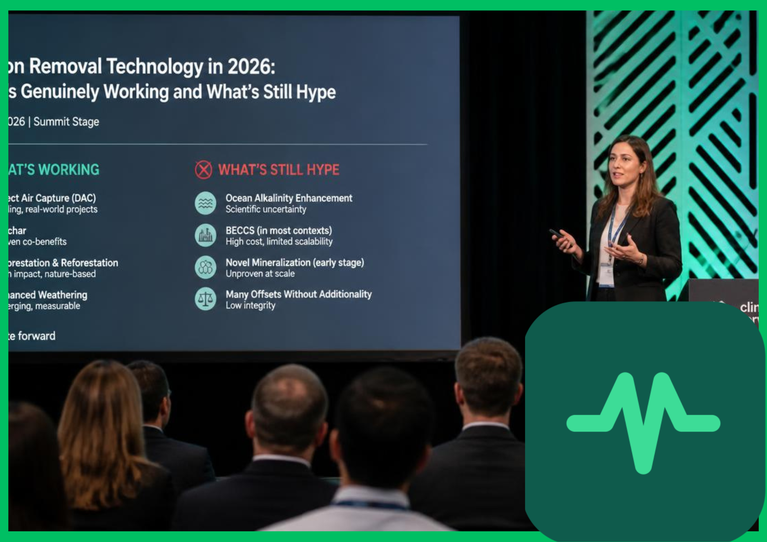
Let's talk honestly about where this technology actually stands in 2026.
Why This Technology Genuinely Matters So Much
Even if every source of new emissions stopped completely tomorrow, we'd still genuinely face decades of warming already locked into the atmosphere. Carbon removal technology exists specifically to address this leftover burden, not just prevent new pollution.
This distinction genuinely matters. It's not competing with solar or wind. It's tackling a genuinely different piece of the climate puzzle entirely.
What's Genuinely New in 2026
Here's the honest, hopeful update. Several direct air capture facilities that were genuinely small pilot projects a few years ago have now scaled up significantly, removing meaningfully larger amounts of carbon dioxide than earlier versions ever managed.
This growth is genuinely real, though it's worth being honest that the total amount removed still represents a genuinely small fraction of what's needed globally.
Why Costs Have Genuinely Started Falling
As more facilities come online, manufacturers have genuinely refined the chemistry and engineering involved, bringing costs down meaningfully compared to just a couple of years ago. This mirrors the genuine pattern seen with solar and wind technology decades earlier.
This cost reduction genuinely matters, since affordability determines how quickly this technology can scale to meaningful levels.
Where the Captured Carbon Genuinely Goes
Most captured carbon still gets injected deep underground into secure geological formations, designed to stay locked away permanently. This part of the process has genuinely become more streamlined and better understood in 2026 than in earlier years.
Why Some Genuine Skepticism Remains Healthy
Let's be honest about real concerns. Critics genuinely worry this technology gives polluting industries an excuse to delay harder emissions cuts. This concern remains genuinely valid, even amid real technological progress.
Healthy skepticism keeps this industry honest, ensuring genuine climate benefit rather than convenient corporate marketing.
Why Government Support Has Genuinely Grown
Financial incentives supporting carbon removal technology have genuinely expanded this year, reflecting growing recognition that some amount of removal will genuinely be necessary alongside emissions cuts, not instead of them.
Why This Feels Genuinely Hopeful Despite Real Limits
There's something genuinely moving about watching human ingenuity tackle such an enormous, seemingly impossible problem. Machines cleaning the sky sounded like science fiction not long ago. In 2026, it's genuinely, quietly real, even if still small in scale.
What This Means for Regular People
You won't personally buy this technology, but your tax dollars may genuinely help fund it. And the more it succeeds, the more real tools we collectively have for addressing emissions already baked into our shared atmosphere.
Common Questions
Is carbon removal technology actually working in 2026?
Yes, genuinely, though at a scale still far smaller than what's ultimately needed globally.
Why has this technology gotten cheaper recently?
Improved engineering and growing facility scale have genuinely brought costs down meaningfully.
Could this technology alone fix climate change?
No, and no credible expert claims that. It works alongside serious emissions reductions, not instead of them.
Final Thoughts
Carbon removal technology in 2026 represents genuine, measured progress, not a miracle cure, but a real, working tool finally moving beyond pure theory. That honest progress genuinely matters for our collective climate future.




Comments (0)
Login to leave a comment.
No comments yet. Be the first to share your thoughts!