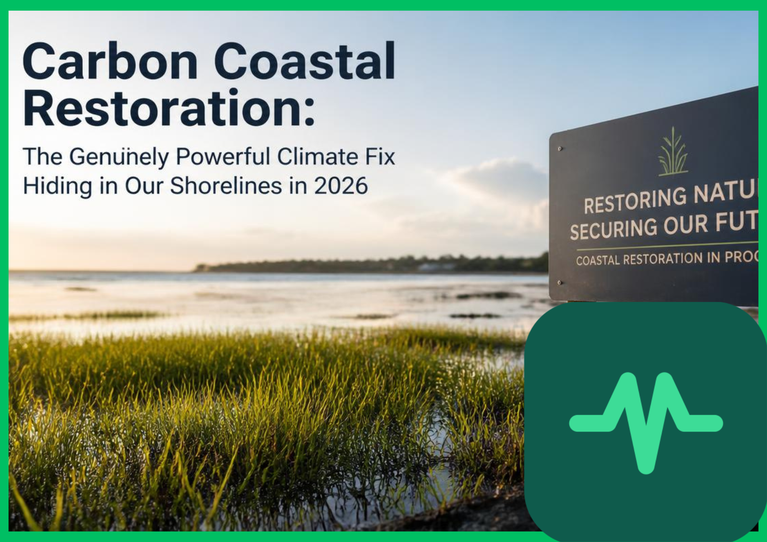
Why Coastal Ecosystems Genuinely Store So Much Carbon
Mangroves, seagrass, and coastal wetlands genuinely capture carbon far more efficiently than regular forests. This genuinely surprises many people. These coastal plants genuinely trap carbon in their roots and surrounding mud for centuries.
Blue carbon coastal restoration genuinely focuses on protecting and rebuilding these ecosystems. The genuine potential here is remarkable.
Why These Ecosystems Genuinely Disappeared in the First Place
Coastal development genuinely destroyed huge amounts of mangrove and seagrass habitat over decades. Shrimp farms, hotels, and genuine urban expansion genuinely replaced these natural carbon sinks.
This genuine destruction released stored carbon back into the atmosphere. It also genuinely removed future carbon capture potential.
How Blue Carbon Coastal Restoration Actually Works
Organizations genuinely replant mangrove seedlings along damaged shorelines. They genuinely restore seagrass beds in shallow coastal waters. This genuine work takes patience and careful planning.
Once established, these ecosystems genuinely begin capturing carbon again. They genuinely also protect coastlines from storms and erosion.
Why 2026 Has Genuinely Brought Real Momentum
More countries have genuinely invested in blue carbon coastal restoration projects this year. Funding has genuinely increased significantly. This genuine growth reflects better scientific understanding of coastal carbon storage.
Why This Genuinely Feels Like Such Meaningful Work
There's something genuinely moving about restoring shorelines that once thrived. Communities genuinely watch mangroves return. Fish populations genuinely recover alongside them.
This genuine restoration offers hope beyond just carbon numbers. It genuinely rebuilds entire coastal ecosystems.
Why Local Communities Genuinely Benefit Too
Blue carbon coastal restoration genuinely creates real jobs. Local workers genuinely plant seedlings and monitor growth. Fishing communities genuinely benefit from restored habitat too.
This genuine local benefit matters enormously. It's not genuinely just distant climate policy. It's real, tangible community support.
The Honest Challenges Still Facing This Work
Let's be fair about real difficulties. Blue carbon coastal restoration genuinely requires years to show full results. Storms can genuinely damage young plantings before they establish properly.
Funding genuinely remains inconsistent in some regions. These honest challenges genuinely require continued attention.
Why Storm Protection Genuinely Adds Extra Value
Beyond carbon capture, restored mangroves genuinely protect coastlines during storms. They genuinely reduce wave energy and prevent erosion. This genuine dual benefit makes investment genuinely worthwhile beyond climate goals alone.
What Comes Next for This Restoration Work
Expect blue carbon coastal restoration to genuinely expand as more evidence proves its real effectiveness. Communities worldwide genuinely continue rebuilding these vital ecosystems.
Common Questions
Why do coastal ecosystems genuinely capture more carbon than forests?
Mangroves and seagrass genuinely trap carbon in roots and surrounding mud, storing it for centuries longer than typical forest soil.
Does blue carbon coastal restoration genuinely help local communities?
Yes, genuinely, it creates real jobs and supports fishing industries through restored habitat.
How long does restoration genuinely take to show results?
It genuinely takes years for full carbon capture benefits to develop as ecosystems mature.
Final Thoughts
Blue carbon coastal restoration in 2026 genuinely reveals a powerful climate solution hiding along our shorelines. This work offers genuine hope for both climate and coastal communities together.


Comments (0)
Login to leave a comment.
No comments yet. Be the first to share your thoughts!