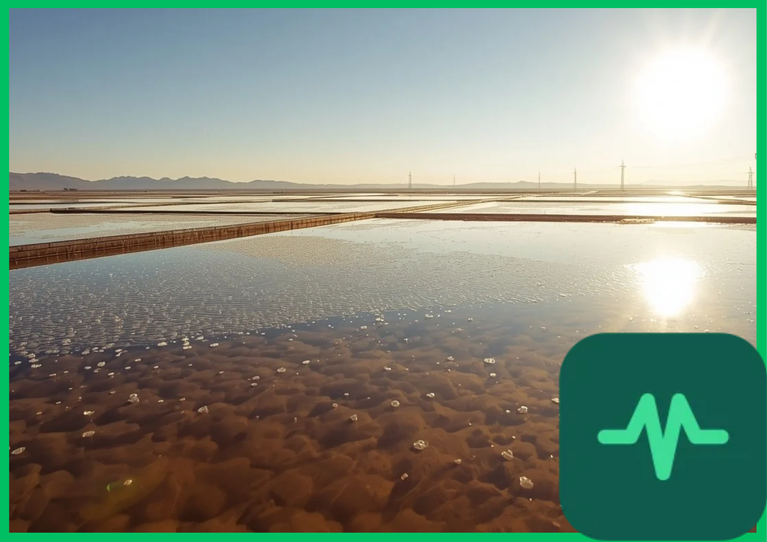
 [
 ]). Mitigating these fouling vectors requires rigorous engineering control over cross-flow velocities, pre-treatment filtration, variable flux optimization, and surface-modified membrane chemistries.
Concentration Polarization and Osmotic Pressure Physics
The primary thermodynamic limitation governing reverse osmosis desalination is concentration polarization. When high-pressure feedwater enters the membrane module, water molecules permeate through the active polyamide layer, while dissolved salts and mineral ions ( ,
 ,
 ) are rejected and retained at the membrane-solution interface. This selective rejection creates a localized boundary layer where solute concentration (
 ) exceeds the bulk solution concentration (
 ). The magnitude of concentration polarization is quantified by the film theory model:
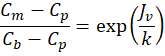
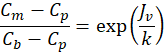
where  represents the permeate flux rate,
 is the permeate concentration, and
 denotes the mass transfer coefficient of the solute. This localized concentration spike elevates the effective osmotic pressure (
 ) at the membrane surface, increasing the net hydraulic pressure differential (
 ) required to drive permeation:


where  is the pure water permeability coefficient. Uncontrolled concentration polarization accelerates inorganic scaling precipitation, particularly calcium sulfate (
 ) and silica (
 ), leading to permanent flux decline if cross-flow velocity drops below critical hydrodynamic thresholds (
 to
 [
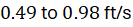 ]).
Brackish Water Pre-Treatment and Physical-Chemical Conditioning
Preventing particulate and biological fouling in solar-driven desalination plants requires multi-stage brackish water pre-treatment trains prior to high-pressure RO modules. Raw feedwater must meet strict water quality indices to protect spiral-wound membrane elements from premature mechanical degradation.
- Coagulation and Flocculation: Dosing inorganic coagulants (such as ferric chloride
 or aluminum sulfate) neutralizes colloidal surface charges, aggregating suspended solids into larger flocs removed via multimedia sand filtration.
- Ultrafiltration (UF) Barriers: Hollow-fiber ultrafiltration modules operating with a nominal pore size of
 remove suspended particulates, bacteria, and macromolecules, maintaining a Silt Density Index (SDI) below 3.0.
- Antiscalant Dosing and pH Control: Injecting specialized phosphonate or polyacrylate antiscalants inhibits crystal nucleation of sparingly soluble salts (
 ,
 ), while acid dosing maintains feedwater pH between 6.0 and 6.5 to prevent calcium carbonate scaling.
Photovoltaic Desalination Integration and Variable Flux Operation
Integrating photovoltaic solar arrays with reverse osmosis systems introduces unique operational challenges driven by fluctuating solar irradiance. Unlike grid-tied industrial plants operating at steady-state design pressures, standalone PV-RO systems experience continuous power variations as cloud cover shifts and solar angles change throughout the day.
Direct coupling of photovoltaic panels to high-pressure positive-displacement or centrifugal pumps requires advanced variable frequency drives (VFDs) and maximum power point tracking (MPPT) algorithms. When solar irradiance drops, pump motor speed decreases, lowering feed pressure and permeate flux. Operating at variable permeate fluxes ( to
 [
 ]) alters shear stress across the feed channel spacers. Low cross-flow velocities during intermittent low-irradiance intervals accelerate boundary layer solute accumulation, necessitating automated flushing cycles with permeate water to clear accumulated foulants before restarting high-pressure operations.
Technical Data Specifications of Solar Desalination Parameters
| Desalination & Membrane Parameter | Engineering Specification Range |
|---|---|
| Membrane Operating Pressure |  to  ( 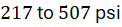 for brackish water) |
Cross-Flow Velocity ( ) |  to  ( 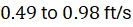 ) |
Permeate Flux Rate ( ) |  to  (  ) |
| Feedwater Silt Density Index (SDI) |  maximum allowable threshold |
| Salt Rejection Efficiency | 98.5% to 99.7% total dissolved solids (TDS) removal |
| VFD Operating Frequency Range |  to  motor speed modulation |
| Specific Energy Consumption (SEC) | 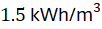 to 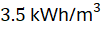 (  ) |
Anti-Fouling Membrane Surface Engineering and Hydrophilic Coatings
Advanced membrane manufacturing replaces traditional interfacial polymerization methods with surface-modified thin-film composite (TFC) structures engineered to resist hydrophobic organic adsorption and microbial cell attachment.
Engineering anti-fouling surfaces involves grafting zwitterionic polymer brushes or hydrophilic nanoparticles (such as titanium dioxide  or multi-walled carbon nanotubes) onto the top polyamide active layer. These hydrophilic modifications increase surface water affinity, forming a dense hydration shell of bound water molecules that physically repels negatively charged organic foulants and extracellular polymeric substances (EPS) secreted by bacteria. Furthermore, incorporating silver nanoparticles (
 ) into the porous polysulfone support layer provides localized antimicrobial action, suppressing bio-fouling biofilm growth without leaching heavy metals into the permeate water stream.
Hydraulic Flushing and Chemical Cleaning Protocols
Despite proactive pre-treatment and surface engineering, long-term operation results in gradual fouling accumulation, necessitating automated clean-in-place (CIP) protocols. Industrial PV-RO controllers monitor normalized permeate flow and differential pressure across membrane stages. When differential pressure increases by 15% to 20% above baseline, the system initiates chemical cleaning cycles.
Altering pH conditions via circulating citric acid solutions dissolves inorganic metal hydroxide scales and calcium carbonate deposits, while alkaline sodium dodecyl sulfate (SDS) or EDTA solutions strip organic foulants and biological biofilms. Permeate backwashing and air-water scouring further dislodge cake layers from feed spacers, restoring membrane permeability and extending operational lifespans beyond 5 to 7 years.
The Final Take
Optimizing solar-powered reverse osmosis membrane fouling mitigation requires integrating precise concentration polarization modeling, advanced pre-treatment ultrafiltration, variable-frequency solar pumping control, and hydrophilic surface-modified membrane chemistry. Citing UNEP water security assessments and academic desalination research, controlling fouling dynamics minimizes specific energy consumption (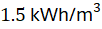 to
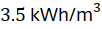 [
 ]), ensuring sustainable, decentralized freshwater production across arid global regions.
Comments (0)
Login to leave a comment.
No comments yet. Be the first to share your thoughts!