The basic difference worth understanding
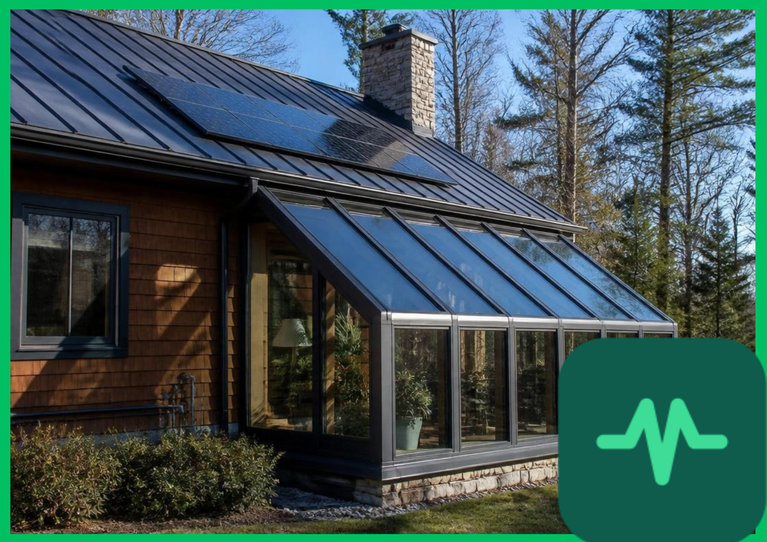
Solar panels, the ones most people know, convert sunlight into electricity using a technology called photovoltaics. Solar thermal systems work differently. They use sunlight to directly heat water or air, which then gets used for things like hot water or building heating.
Think of the difference like this. One turns sunlight into electricity you can use for anything. The other simply uses sunlight's warmth directly, for one specific job, heating something up.
How solar thermal systems actually work
A typical system uses a specially designed collector, often mounted on a roof, that absorbs sunlight and heats water or a similar fluid flowing through it. That heated water then gets stored and used for household hot water, or circulated through a building's heating system.
This is a genuinely simple, direct process. Sunlight goes in as heat, and heat comes out, without the extra step of converting to electricity and back.
Why this can be more efficient for certain jobs
Converting sunlight to electricity, then using that electricity to create heat, involves some inevitable energy loss at each step. Solar thermal skips a step, capturing heat directly, which can make it a genuinely efficient choice specifically for heating needs.
For simple jobs, like heating water for household use, this direct approach often makes excellent practical sense compared to the more roundabout path of generating electricity first.
Where this technology is already used
International research programs have documented solar thermal systems used for household hot water, larger combined heating systems, and even industrial processes that need substantial heat, like certain manufacturing operations.
Some of these systems also connect to district heating networks, where solar-heated water gets distributed to warm multiple buildings across an entire neighborhood, rather than just a single home.
Why industrial applications matter more than people realize
Many industries need significant amounts of heat for their processes, not electricity specifically. Food production, certain chemical processes, and other manufacturing operations all require substantial heat inputs.
Solar thermal systems designed for industrial use can supply some of this heat directly from sunlight, reducing the need for other, often more polluting heat sources in these processes.
The honest limitations worth knowing
Solar thermal systems depend on consistent, direct heat needs to make full sense. If you need electricity for many different purposes, standard solar panels remain the more flexible, useful choice for most homes.
These systems also work best paired with adequate storage, since heat generated during sunny hours needs to be available for use later, particularly in the evening or during cloudier periods.
Why combining both technologies often makes the most sense
Many homes and buildings benefit from using both approaches together. Solar panels handle electricity needs, while a separate solar thermal system specifically handles water heating, often one of a home's larger, more predictable energy uses.
This combination lets each technology do what it does most efficiently, rather than asking one single system to handle every different energy need at once.
Why this technology doesn't get as much attention
Solar electricity panels have become widely recognized and increasingly affordable, dominating most public conversations about solar energy. Solar thermal technology, despite being genuinely useful and often very efficient, remains comparatively less well known among everyday homeowners.
This isn't because the technology doesn't work. It's simply been overshadowed by the more visible, more heavily marketed rise of solar electricity panels in recent years.
What to consider if you're curious about this option
If a significant portion of your household energy use goes toward heating water, it's worth researching whether a solar thermal system makes sense for your specific situation and climate.
Local installers experienced with solar thermal systems can help assess whether your roof, climate, and household needs make this a genuinely good fit, separate from any decision about standard solar electricity panels.
Why understanding this distinction matters
Knowing the difference between these two solar technologies helps you make more informed choices about which option, or combination of options, genuinely fits your specific needs, rather than assuming all solar technology works identically.
This distinction also helps make sense of solar research and news coverage, since reports sometimes discuss solar thermal and solar electricity separately, using data and trends that don't always overlap directly.
The bottom line
Solar panels making electricity represent just one way to harness sunlight. Solar thermal systems capture that same sunlight directly as heat, offering a genuinely efficient option specifically for water heating and certain industrial needs.
Understanding both options gives you a fuller, more complete picture of what solar energy can actually offer, beyond the electricity-focused story most people already know well.



Comments (0)
Login to leave a comment.
No comments yet. Be the first to share your thoughts!