Solar power is becoming increasingly popular among homeowners. For many consumers, the idea is genuinely attractive. Generate electricity from sunlight. Reduce dependence on the grid. Possibly lower electricity costs. Use a renewable source of energy.
Installing solar panels is still a significant decision, though. The best system for one household may not be the best system for another. Understand the costs, benefits, and limitations before making a choice.
How Home Solar Power Works
A typical residential solar system uses photovoltaic panels. These panels convert sunlight into electricity. An inverter then converts that electricity into a form your household appliances can actually use.
That electricity can be consumed immediately. Depending on the system and local rules, any excess may get sent to the grid, or stored in a battery instead. This creates several possible setups. A home can run on solar alone. It can combine solar with the grid. Or it can combine solar, batteries, and the grid together.
Why Consumers Are Interested in Solar
Several forces are driving this growing interest. Households want to manage rising electricity costs. Energy security has become more important to people too. Consumers are also growing more interested in renewable energy generally. On top of all this, solar technology has simply become more widely available.
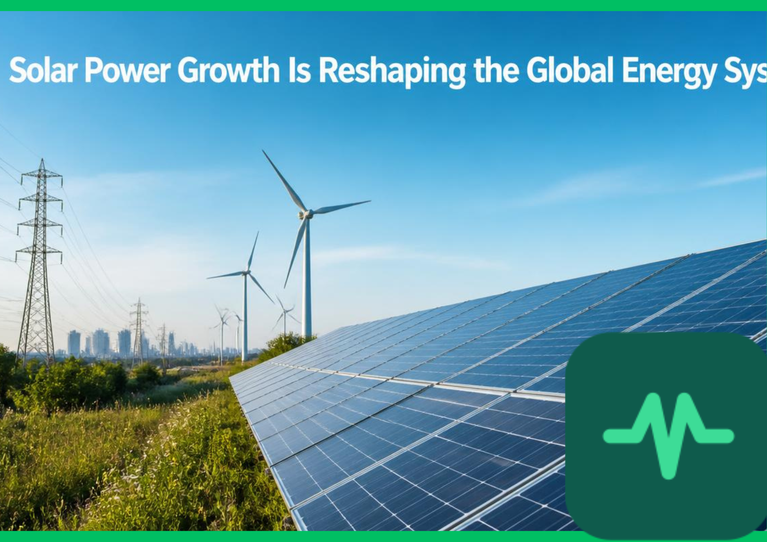
The International Energy Agency and IRENA both report strong global growth in solar capacity. Residential solar is becoming part of a much larger global energy transition, not just a personal choice.
Solar Does Not Mean Complete Energy Independence
This is an important point to understand upfront. Installing solar panels doesn't automatically let a household disconnect from the grid.
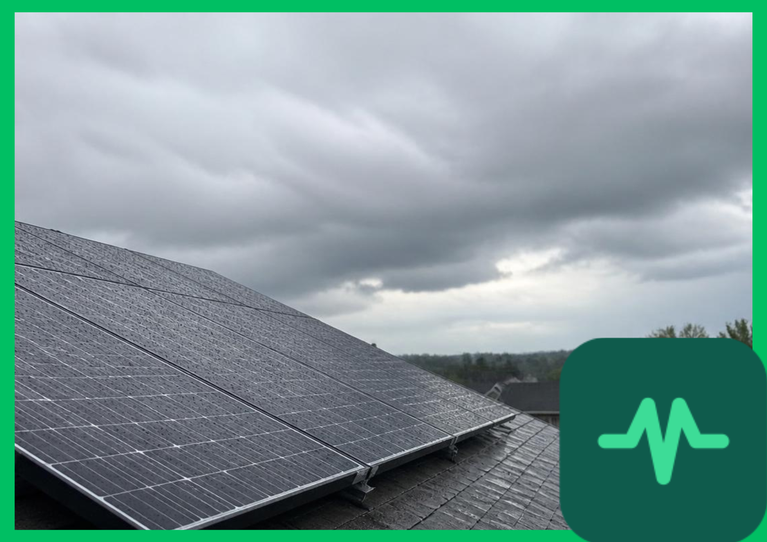
Solar production shifts throughout the day. It's usually highest during daylight hours. Household electricity demand often peaks at a different time entirely. At night, solar panels generate nothing at all.
Because of this mismatch, many households still rely on the grid to some degree. A battery can help bridge that gap.
Why Solar Batteries Matter
A solar battery stores electricity for later use. Solar panels might generate more electricity than a household needs during the afternoon. Instead of sending all that excess away, some of it can get stored instead.
The battery then supplies that stored power later, when it's actually needed. This increases how much solar electricity a household uses directly. Batteries add real cost, though, and they have a limited operating life. Weigh whether that extra investment genuinely makes financial sense for your situation.
How Much Solar Does a Home Need?
There's no single answer here. The right system size depends on several factors:
- Household electricity consumption
- Roof size
- Available sunlight
- Panel efficiency
- Roof orientation
- Local climate
- Electricity prices
- Battery requirements
A professional installer should assess your property before recommending a system. It's also worth comparing several quotes rather than accepting the first one.
Roof Condition Matters
Solar panels can stay on a roof for many years, which means the condition of that roof matters a great deal.
If a roof needs major repairs soon, address those repairs before installing solar. Removing and reinstalling panels later adds real, unnecessary cost. This is a small detail that consumers often overlook until it's too late.
Solar Panel Efficiency
Solar panels keep getting more efficient. Still, efficiency is only one piece of the puzzle.
A highly efficient panel produces more electricity from a smaller area, which helps when roof space is limited. But also weigh price, warranty, durability, and installer quality. The cheapest panel isn't necessarily the best choice for your home.
What About Maintenance?
Solar systems generally require less routine maintenance than many mechanical systems. They aren't maintenance-free, though.
Panels may need occasional cleaning depending on local conditions. The inverter will likely need replacement eventually. Wiring and other components should get checked periodically too. Understand these requirements before you buy, not after.
What Happens During a Power Outage?
This is a genuinely important question to ask. A standard grid-connected solar system may shut down automatically during a grid outage. This protects utility workers repairing the network.
A battery-backed system with the right backup equipment can behave differently. If backup power matters to you, ask installers specifically about outage performance. Solar panels alone do not guarantee power during a blackout.
Solar and Energy Efficiency Should Work Together
Installing solar isn't the only way to cut household energy costs. Efficiency should come first, before you even consider panels.
Replacing inefficient lighting and appliances reduces electricity demand on its own. Better building design cuts cooling and heating needs too. A smaller, more efficient home energy system may then need less solar capacity to cover it, saving you real money upfront.
Solar and Electric Cars
Electric vehicles create another opportunity worth considering. A household can potentially use solar electricity to charge an EV directly, connecting home energy and transportation in one system.
Instead of buying all vehicle energy from outside sources, some can come straight from your own solar system. Smart charging makes this even more useful, letting the vehicle charge specifically when solar production runs high.
Solar and Heat Pumps
The same principle applies to heat pumps. A household using a heat pump for heating or cooling can consume significant electricity. Solar generation can cover part of that demand directly.
Once again, smart energy management helps coordinate production and consumption, making the whole system work together more efficiently.
Government Policies Matter
Solar economics depend partly on government policy. Some countries offer direct incentives. Others provide tax benefits or grants. Some electricity markets even compensate households for electricity exported back to the grid.
These policies change over time, though. Check current local rules before calculating your expected savings, rather than relying on outdated information.
Beware of Unrealistic Claims
Be careful with solar advertising. Claims like "zero electricity bills" or "complete energy independence" don't apply to every household.
Solar performance depends heavily on the property itself. Savings depend on electricity prices and consumption patterns. Battery economics vary too. Ask installers for realistic, honest estimates rather than marketing promises.
Get Multiple Quotes
Before purchasing a solar system, compare installers carefully. Check:
- Company experience
- Equipment brands
- Warranty terms
- Installation details
- System size
- Expected production
- Maintenance
- After-sales support
A good solar system needs more than good panels. Installation quality matters just as much.
EcoGreenPulse View
Home solar power can be an excellent technology for the right household. Consumers shouldn't buy solar simply because it's renewable, though.
The system should match your home's actual electricity needs. It should fit your roof, your budget, and your local energy market. Solar works particularly well when paired with efficiency improvements, smart controls, and, where it makes sense, battery storage.
Conclusion
Home solar power can help households generate their own electricity and reduce dependence on the grid. Still, consumers should look beyond panel prices alone.
Roof condition, electricity use, sunlight, battery requirements, and local policies all matter. The best solar investment isn't necessarily the biggest system available. It's the system that actually fits your household's real needs.
Sources: International Energy Agency; International Renewable Energy Agency
Comments (0)
Login to leave a comment.
No comments yet. Be the first to share your thoughts!