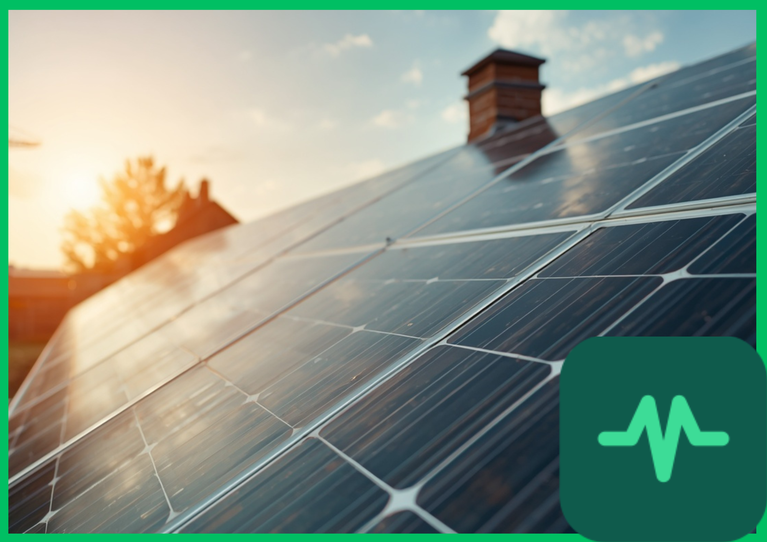
Electricity is becoming an increasingly important household expense. At the same time, more families are looking for cleaner ways to produce electricity. That is where solar panels come in.
Solar panels allow homes to produce electricity from sunlight. Instead of depending entirely on electricity from the grid, a household can generate some of its own power.
This idea is not new. However, solar technology has become much more widely available.
The International Energy Agency says the number of households relying on rooftop solar could grow from around 25 million to more than 100 million by 2030 under its Net Zero Emissions scenario.
That growth shows how important residential solar could become. However, buying solar panels is not automatically the right choice for every household.
The benefits depend on several factors. These include sunlight, electricity prices, system size, financing, installation costs and local regulations.
How Solar Panels Work
The basic idea is simple. Solar panels contain photovoltaic cells. When sunlight reaches these cells, they produce electricity.
The electricity produced by the panels is usually direct current, or DC. A device called an inverter converts it into alternating current, or AC. AC electricity is what most homes use for everyday appliances.
The electricity can then power things such as:
- Lights
- Refrigerators
- Televisions
- Computers
- Fans
- Air conditioners
- Washing machines
- Water pumps
If the system produces more electricity than the home needs at that moment, the extra electricity can sometimes be sent to the grid.
In other systems, it can be stored in a battery. The exact arrangement depends on the local electricity system.
Can Solar Panels Really Reduce Electricity Costs?
Yes, they can.However, the amount a household saves varies. A home that uses a lot of electricity during daylight hours may be able to use a large share of its solar production directly.
For example, a family may run appliances while the sun is shining. That reduces the amount of electricity it needs to buy from the grid.
However, a household that uses most of its electricity at night may need battery storage to make better use of its solar generation.
This is why simply asking whether solar panels save money is not enough. The better question is whether the solar system matches the household's electricity needs.
Solar Costs Have Changed
The cost of solar technology has fallen dramatically over the long term. IRENA says solar PV module prices have fallen by around 90% since the end of 2009. That decline has helped make solar more accessible.
However, consumers should remember that the price of a solar panel is only one part of the total system cost.
A complete home installation may also require:
- Inverters
- Mounting equipment
- Wiring
- Installation
- Protection equipment
- Monitoring systems
- Batteries, if required
- Maintenance
Therefore, consumers should compare the cost of the complete system rather than focusing only on the price of individual panels.
Your Electricity Bill Matters
Another important factor is the price of electricity. Suppose electricity from the grid is relatively expensive. Producing some of your own electricity can then become more attractive.
However, if electricity prices are very low, the financial benefit may take longer to appear.
The IEA notes that household electricity prices are influenced by energy supply costs, network charges, taxes, levies and government support.
Therefore, the value of solar panels differs from one country to another.
Two households with identical solar systems can have very different financial results.
Your Location Matters Too
Sunlight is another major factor. A solar system generally produces more electricity when it receives more usable sunlight.
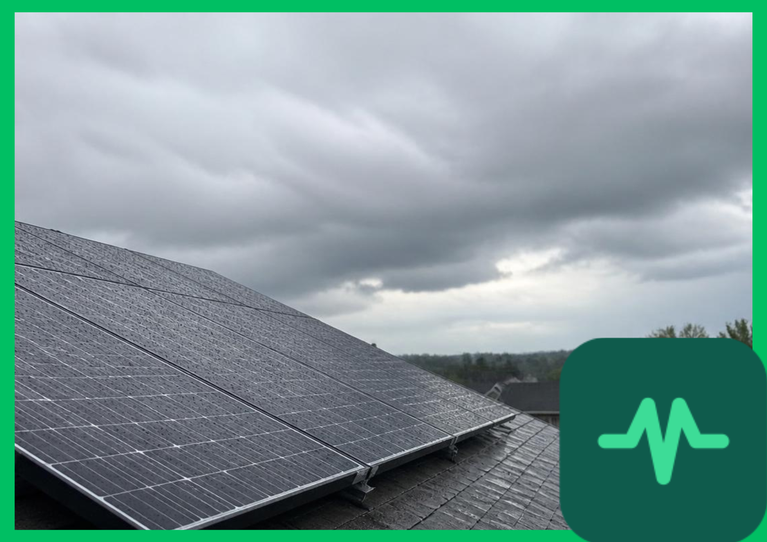
However, cloudy weather does not mean solar panels stop working completely. Solar panels can still generate electricity from diffuse sunlight.
The amount produced will simply be lower than during strong sunshine. The design of the system therefore needs to reflect the local climate.
This is particularly important when comparing solar systems in different countries.
What Happens at Night?
This is one of the most common questions consumers ask. Solar panels do not produce electricity from sunlight when it is dark.
Therefore, households have several options. They can use electricity from the grid at night. They can use stored electricity from batteries. Or they can combine both.
This is why batteries are becoming an important part of the residential solar market.
Why Batteries Can Make Solar More Useful
Imagine that your solar panels produce a lot of electricity at midday.
However, your family needs more electricity at 7 p.m.
Without storage, some of the midday electricity may be exported to the grid or otherwise unused by the household.
A battery changes the situation. The battery can store electricity and release it later.
The IEA has highlighted the growing importance of storage and flexible technologies as electricity systems use more variable renewable energy.
However, batteries add to the cost of a solar system. Therefore, consumers should not assume that every home needs one.
Solar Can Also Provide Greater Energy Independence
Saving money is not the only reason people choose solar.
Some households want greater control over their electricity supply.
This can be especially important where electricity grids experience interruptions.
A properly designed system with solar and battery storage can provide backup electricity during some outages.
However, not every solar installation can operate during a grid outage. The system must be designed for that purpose.
Consumers should therefore ask installers about backup functionality before buying.
What About Maintenance?
Solar systems generally do not require the same type of maintenance as conventional fuel-based generators.
However, they are not completely maintenance-free. Panels may need cleaning. Connections and equipment may need inspection. Inverters may eventually need replacement.
Batteries also have a limited useful life.
Therefore, households should include maintenance and replacement costs when considering the long-term economics.
Solar Is More Than a Way to Save Money
The benefits can go beyond the electricity bill. Solar energy can reduce the amount of electricity a household purchases from conventional generation. It can also help households use more locally produced electricity.
At a wider level, residential solar can contribute to a more distributed electricity system.
The IEA expects distributed solar to play an increasingly important role as households adopt electrification technologies such as heat pumps and electric vehicles.
That means a home could eventually become both an electricity consumer and a small electricity producer.
What Consumers Should Check Before Buying
Before purchasing solar panels, consumers should consider several questions.
First, how much electricity does the home use?
Second, when does the home use the most electricity?
Third, how much sunlight does the location receive?
Fourth, what does electricity from the grid cost?
Fifth, are there government incentives?
Sixth, can excess electricity be exported to the grid?
Seventh, is battery storage necessary?
Finally, how long is the expected payback period?
These questions can help prevent expensive mistakes.
Be Careful With Promises of Huge Savings
Consumers should also be cautious about advertisements promising guaranteed or extremely large savings.
Solar performance depends on real-world conditions. A reputable installer should be able to explain the assumptions behind its calculations.
Ask for details about expected annual electricity production.
Also ask about equipment warranties. Check installation costs. Understand what happens if a component fails.
Most importantly, compare several offers where possible.
The Future of Home Solar
The residential solar market is likely to become increasingly connected to other technologies.
Electric vehicles could become mobile electricity users.
Batteries could store excess solar generation.
Smart home systems could decide when appliances should operate.
Heat pumps could use electricity for heating and cooling.
Together, these technologies could change how households produce and consume energy.
The IEA has identified smart controls and energy storage as important tools for matching variable renewable generation with building electricity demand.
EcoGreenPulse View
Solar panels are no longer simply an alternative technology for a small group of environmentally conscious consumers.
They are becoming part of a wider change in how households produce and use electricity.
However, consumers should approach solar as an investment decision rather than simply a technology purchase.
The best system depends on the home.
It depends on electricity use.
It depends on local prices.
It depends on sunlight.
It also depends on the available grid and regulations.
For some households, solar can significantly reduce electricity purchases.
For others, the financial benefits may take longer.
Therefore, understanding the numbers is more important than following the trend.
Conclusion
Solar panels can help households produce their own electricity and potentially reduce their dependence on the grid.
Their financial value, however, varies from one household to another.
Falling technology costs have helped expand the market. Meanwhile, batteries and smart energy systems are making residential solar more flexible.
For consumers considering solar, the best approach is simple: understand your electricity needs, compare the complete system cost and examine realistic savings before making a decision.
Sources: International Energy Agency and International Renewable Energy Agency.
Comments (0)
Login to leave a comment.
No comments yet. Be the first to share your thoughts!