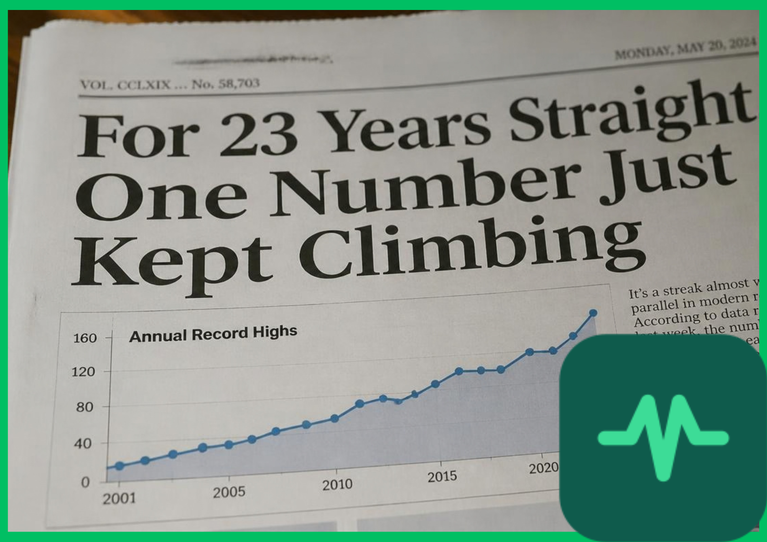
The scale of the most recent record
According to recent global energy analysis, renewable capacity additions grew by 16 percent in the most recent year, reaching a total of 800 gigawatts added worldwide. That's an enormous amount of new solar and wind power added in just twelve months.
This happened despite real, genuine challenges along the way, including strained supply chains, delays connecting new projects to the grid, financial pressures, and shifting government policies in various regions.
Why this streak is more impressive than it first sounds
Twenty-three consecutive years means this growth continued through multiple global recessions, a pandemic, and countless political changes across dozens of countries. Very few trends in any industry manage that kind of consistency.
This suggests something deeper than a temporary trend or a passing fashion. It reflects a genuine, sustained shift in how the world generates electricity.
Why solar leads this growth so strongly
Solar power represents the largest single share of this new capacity being added each year. Solar panels have become dramatically cheaper over the past two decades, making them one of the most cost-effective ways to add new electricity generation almost anywhere in the world.
This combination of falling costs and genuine, proven reliability has made solar the default choice for a huge share of new power projects globally, not just in places with obvious, abundant sunshine.
Why challenges haven't broken this streak
It would be reasonable to assume that real obstacles, like supply chain problems or policy uncertainty, would eventually stop this growth. So far, that hasn't happened. Growth has continued even through genuinely difficult years.
This resilience suggests the underlying economics of renewable energy have become strong enough to push through temporary setbacks, rather than depending entirely on ideal, uninterrupted conditions to keep growing.
What this streak means for the bigger climate picture
Every gigawatt of new renewable capacity typically displaces electricity that would otherwise come from more polluting sources. A consistent, multi-decade streak of growth means this displacement keeps accumulating year after year, rather than happening in one big, isolated jump.
This is part of why some analysts believe global emissions may be nearing their highest point, since renewable growth has become large enough to cover most new electricity demand on its own.
Why individual years still look different from each other
Even within this overall positive streak, the pace of growth varies from year to year. Some years see especially strong growth. Others see more modest gains, still counting as a record, but a narrower one than the year before.
This variation is normal and expected in any large, complex global system. The overall multi-decade trend matters more than any single year's specific growth percentage.
Why regional differences remain significant
This global total combines vastly different stories from different parts of the world. Some regions are adding renewable capacity at a remarkably fast pace. Others are moving more slowly, shaped by local economics, existing infrastructure, and specific policy environments.
Understanding this streak as a global aggregate, rather than assuming it applies identically everywhere, gives a more accurate, honest picture of what's actually happening.
Why this streak likely continues
The core factors driving this growth, falling technology costs, growing electricity demand, and increasing climate awareness, show no clear signs of reversing. If anything, some of these pressures continue intensifying.
This doesn't guarantee the streak continues forever. But the underlying momentum appears genuinely strong enough to make continued growth the more probable outcome, barring some major, currently unforeseen disruption.
What this means for anyone considering solar themselves
This broader trend reflects millions of individual decisions, homeowners, businesses, and governments all choosing solar and wind power repeatedly, year after year. If you've considered adding solar panels yourself, you'd be joining a genuinely well-established, rapidly growing global pattern, not an unproven, risky bet.
The technology's continued cost declines and improving reliability are part of exactly what has sustained this remarkable, multi-decade streak in the first place.
Why this deserves genuine recognition
Twenty-three consecutive years of record growth is a genuinely remarkable achievement, one that rarely gets the attention it deserves compared to more dramatic, single-moment climate news stories.
Steady, consistent progress often lacks the drama of a single big announcement, but it frequently matters more in the long run, precisely because it keeps happening reliably, year after year, regardless of which headlines dominate any particular week.
The bottom line
For 23 years straight, the world has added more renewable energy capacity than the year before, reaching a genuinely massive 800 gigawatts in the most recent year alone. This happened despite real, ongoing challenges along the way.
This remarkable consistency suggests renewable energy has moved well past being a promising experiment. It's become a genuinely established, resilient part of how the world generates electricity, with every reasonable sign pointing toward this streak continuing for years to come.




Comments (0)
Login to leave a comment.
No comments yet. Be the first to share your thoughts!