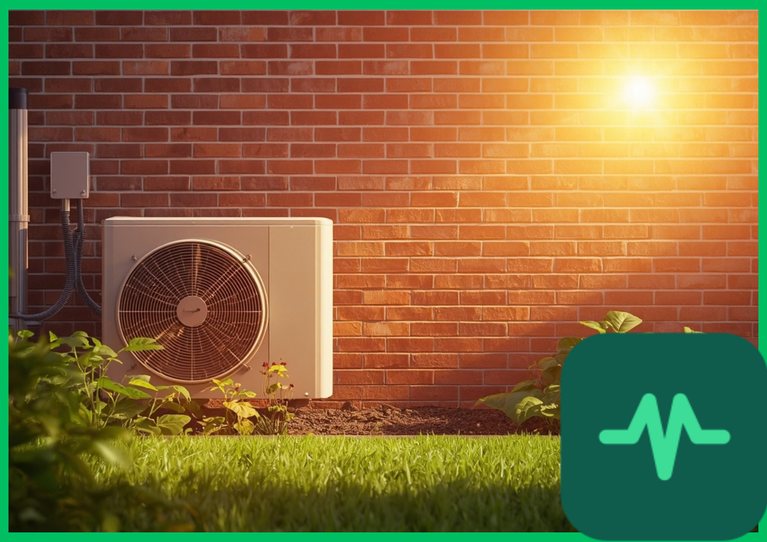
Why extra renewable power becomes a real problem
Solar and wind don't produce a steady, predictable amount of electricity all day long. Sometimes they produce more than the grid needs right then. Without somewhere for that extra electricity to go, it can simply go to waste, or even create instability in the grid itself.
This has become a genuinely bigger issue as more solar and wind capacity gets added to grids around the world, creating more frequent moments of genuine oversupply.
How heat pumps offer a clever solution
A heat pump can run at flexible times, not just when someone specifically needs heat right away. This means it can be told to run specifically during those moments of extra solar or wind power, using that otherwise wasted electricity productively.
The heat it generates then gets stored, often in water tanks or within a building's own thermal mass, ready to be used later when actually needed, even if that's hours after the heat pump originally ran.
What thermal storage actually means
Thermal storage simply means storing energy as heat rather than as electricity in a battery. A well-insulated hot water tank, for example, can hold heat for hours, slowly releasing it as needed rather than all at once.
This makes heat pumps genuinely useful as a flexible tool, not just for comfort, but for helping balance the broader electricity grid at the exact same time.
Why this matters for the whole energy system
Recent international research on heat pump technology has specifically highlighted this flexible operation as a genuine strength, noting that heat pumps combined with thermal storage can absorb excess solar and wind output that might otherwise be wasted.
This turns heat pumps into something more than a simple home comfort appliance. They become an active, useful part of managing the broader electricity system more efficiently.
Why this benefits homeowners directly too
In regions with electricity pricing that changes throughout the day, running a heat pump specifically during cheaper, often renewable-heavy periods can genuinely reduce a household's overall energy costs.
This means the same flexible operation that helps the broader grid can also directly benefit your own household budget, creating a genuinely helpful alignment between personal savings and broader system efficiency.
How smart controls make this actually practical
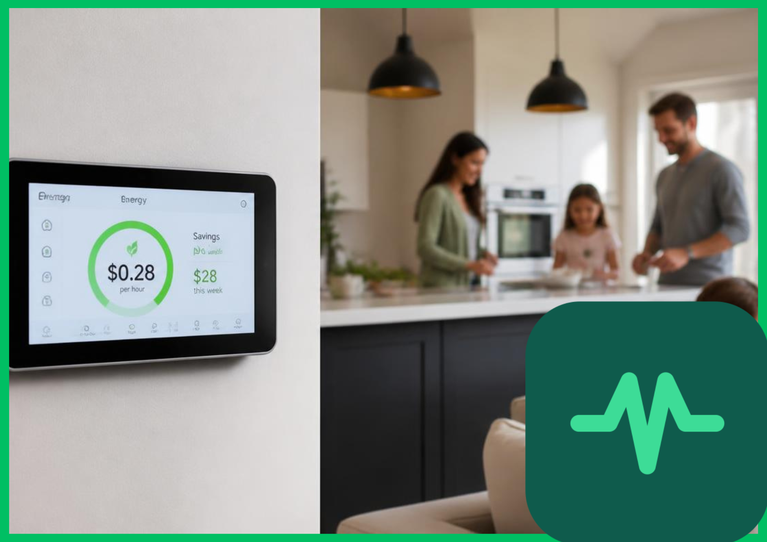
Modern heat pump systems increasingly include smart controls capable of automatically adjusting when the system runs, based on real-time electricity pricing or grid conditions, rather than requiring constant manual adjustment from the homeowner.
This automation makes the whole process genuinely effortless for most households, working quietly in the background without requiring anyone to actively think about it day to day.
Why this connects to the bigger renewable energy story
As more solar and wind capacity gets added to grids worldwide, having flexible ways to use electricity exactly when it's most abundant becomes increasingly valuable. Heat pumps represent one genuinely practical, already-available tool for this exact purpose.
This is part of a broader pattern where existing technology, originally designed simply for comfort, turns out to have real, additional value in supporting a cleaner, more flexible overall energy system.
The honest limitations still worth understanding
Not every heat pump system currently includes this kind of smart, flexible control. Older systems may simply run on a fixed schedule, missing out on this potential benefit entirely.
Upgrading to take full advantage of this flexibility sometimes requires newer equipment or additional smart control systems, representing a real, honest consideration for households with older heat pump installations already in place.
Why this represents smart, practical thinking
Rather than building entirely new infrastructure specifically to absorb excess renewable energy, this approach uses equipment many households already have, or are already considering installing anyway for their regular heating needs.
This kind of practical, resourceful thinking, finding new value in existing technology, shows up across many genuinely effective climate solutions, and flexible heat pump operation offers a clear, tangible example of it working in practice.
What this could mean as more homes adopt heat pumps
As heat pump adoption continues growing worldwide, and as smart, flexible control features become more standard rather than optional extras, this collective flexibility could meaningfully help grids handle much larger amounts of solar and wind power reliably.
This creates a genuinely encouraging pattern, where growing heat pump adoption doesn't just reduce individual heating emissions, but actively supports the broader shift toward cleaner electricity as well.
The bottom line
Heat pumps can do more than simply heat your home efficiently. When combined with thermal storage and smart controls, they can actively help absorb extra solar and wind power that might otherwise go to waste.
This adds a genuinely valuable, often overlooked benefit to a technology already worth considering for its direct heating efficiency alone, making heat pumps a quietly important piece of the broader renewable energy puzzle.

Comments (0)
Login to leave a comment.
No comments yet. Be the first to share your thoughts!