The actual numbers worth knowing
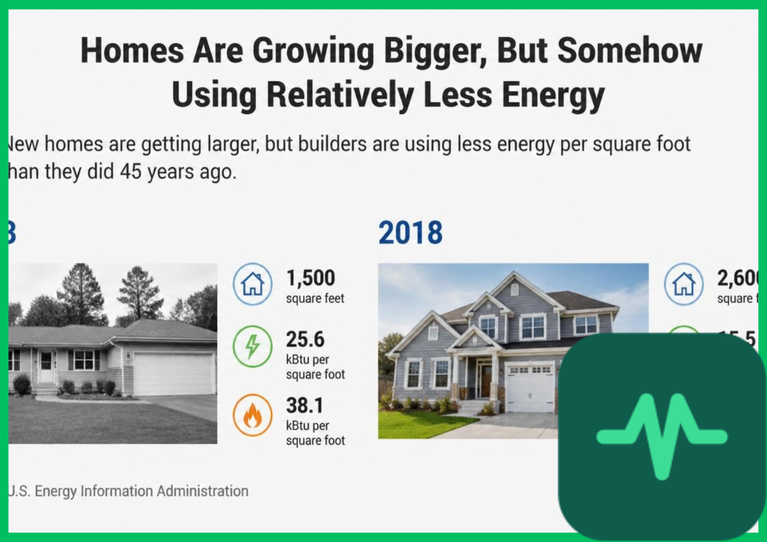
Over the past decade, total building floor space around the world grew by 20 percent. Energy demand from those buildings only grew by 11 percent over that same period.
This gap matters. If efficiency hadn't improved at all, energy use should have grown at roughly the same pace as floor space. Instead, each square meter of building space now uses noticeably less energy than it used to.
Why this gap is genuinely encouraging
This tells us something real is working. Better insulation, more efficient heating and cooling equipment, smarter building design, and improved windows have all contributed to buildings doing more with less energy.
This isn't a small, marginal improvement. A meaningful gap between floor space growth and energy demand growth reflects years of accumulated, real improvement across millions of individual buildings worldwide.
Where these efficiency gains actually come from
Better insulation keeps indoor temperatures more stable, reducing how hard heating and cooling systems need to work. Modern windows lose less heat in winter and let in less unwanted heat in summer compared to older designs.
Heating and cooling equipment itself has also become considerably more efficient, delivering the same comfort while consuming meaningfully less energy than equipment from a decade or two ago.
Why smart home technology plays a growing role here too
Smart thermostats and automated systems help buildings use energy more precisely, heating and cooling spaces only when actually needed, rather than running constantly regardless of occupancy.
This kind of smarter, more responsive energy use adds another layer of efficiency on top of better physical materials and equipment, contributing further to this encouraging overall trend.
Why this progress still isn't enough on its own
Despite this genuine improvement, overall building energy demand keeps growing in absolute terms, since more buildings keep being constructed even as each one uses relatively less energy.
This means efficiency improvements alone haven't been enough to bring total building energy use down. They've simply slowed its growth considerably compared to what it would have been otherwise.
Why continued investment remains genuinely necessary
Major reports on this topic have emphasized that investment in building efficiency needs to increase substantially to keep pace with global climate goals. Current progress, while real, isn't happening quickly enough on its own.
This creates an honest, balanced picture. Genuine progress deserves recognition, while also being clear that considerably more effort remains necessary going forward.
What this means for your own home specifically
If you're renovating or building new, this broader trend reflects the same principles that could genuinely benefit your own space. Better insulation, efficient equipment, and smart temperature control all contribute to lower energy use, regardless of how large your home actually is.
These aren't just abstract, global statistics. They reflect real, practical choices available to individual homeowners right now, choices that collectively add up to this broader positive trend.
Why bigger homes don't have to mean proportionally more energy use
This data challenges a common, simple assumption that bigger automatically means proportionally worse for energy use. With the right materials and equipment, a larger, well-built home can use considerably less energy than an older, smaller, poorly insulated one.
This reframes the conversation somewhat, shifting focus away from simply square footage and toward genuine building quality and efficiency choices instead.
Why regional differences still matter within this global trend
This encouraging overall pattern doesn't apply identically everywhere. Some regions have made considerably more progress than others, shaped by differing building codes, climate conditions, and available investment in efficiency upgrades.
Understanding this global average as just that, an average, helps avoid assuming your own specific region has necessarily kept pace with this broader worldwide trend.
Why this data offers a genuinely useful, balanced perspective
It's easy to feel either excessively optimistic or overly discouraged about climate progress, depending on which specific headline you happen to read on any given day. This particular data point offers a more balanced, nuanced picture.
Real, measurable progress has happened. It simply hasn't happened fast enough yet to fully solve the underlying challenge on its own, without continued, sustained effort going forward.
The bottom line
Global building floor space grew by 20 percent over the past decade, while energy demand grew by only 11 percent. This gap reflects genuine, real improvement in how efficiently buildings use energy today compared to a decade ago.
This is honest, encouraging progress, though it still falls short of what's needed to meet global climate goals on its own. Understanding both halves of this story, the real progress and the remaining gap, gives a more complete, useful picture than either half alone.

Comments (0)
Login to leave a comment.
No comments yet. Be the first to share your thoughts!