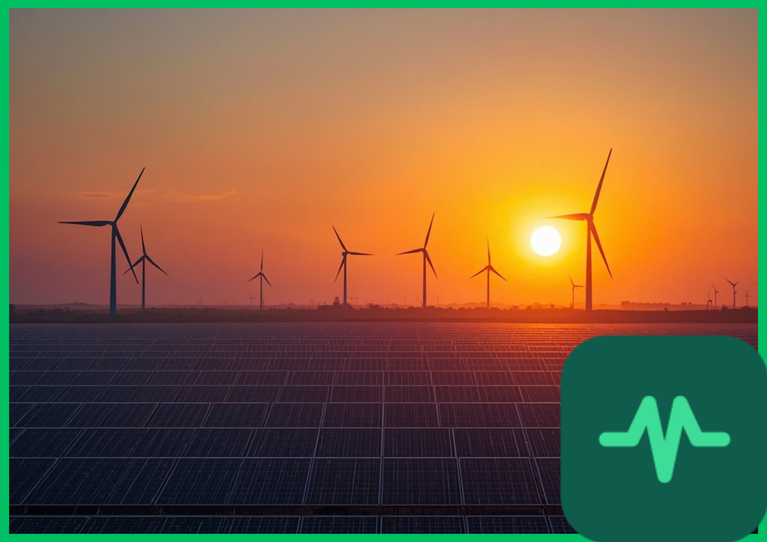
For generations, we accepted high electricity bills as an unavoidable cost of modern life. We assumed that powering our homes and industries required burning expensive fossil fuels.
That old economic assumption has completely flipped.
According to tracking data and energy assessments from the International Energy Agency (IEA) and academic research, utility-scale solar photovoltaic systems and onshore wind farms have crossed a historic economic threshold.
They are no longer just the cleanest energy sources available. They are the cheapest sources of new electricity generation across a vast majority of countries worldwide.
Here is how falling capital costs and market economics made renewable power the most affordable electricity on Earth.
Understanding the Levelized Cost of Energy
To understand why clean energy dominates modern power markets, you have to look at how economists measure generation costs.
The standard metric is called the levelized cost of energy, or LCOE.
The levelized cost calculates the total lifetime cost of building, financing, operating, and maintaining a power plant, divided by the total amount of electricity it produces over its lifespan.
When analysts apply this formula to different generation technologies, a dramatic shift emerges.
Building a new coal or natural gas power plant requires massive upfront construction expenditures, continuous fuel purchases, and expensive ongoing maintenance.
Solar and wind power operate under a completely different economic model. Once you build a solar park or a wind turbine, the fuel is completely free. The sun shines and the wind blows at zero cost.
With zero fuel expenses and rapidly dropping hardware costs, the levelized cost of renewable energy has plummeted below fossil fuel generation.
Anatomy of Falling Technology Costs
Why did solar and wind become so inexpensive so quickly?
The answer lies in manufacturing scaling and technological innovation.
Over the past decade, global production capacity for solar panels and wind turbines scaled up exponentially. As factories produced millions of units, manufacturing efficiencies drove hardware prices down by nearly 90%.
Academic research and IEA market reviews confirm that continuous technological improvements—such as higher-efficiency solar cells, larger wind turbine rotors, and lighter materials—increased annual energy yields significantly.
Investors gain more electricity generation per unit of capital invested.
Energy investors and utility companies do not build wind and solar farms out of environmental charity. They build them because they deliver superior financial returns and insulate projects from the volatile, unpredictable price spikes of global coal and gas markets.
Market Realities Across the Globe
The financial advantage of renewables is a universal reality spanning international borders.
Data from global energy reviews highlights that onshore wind remained the most affordable source of new power generation globally, closely followed by utility-scale solar photovoltaic installations.
In emerging markets and industrialized economies alike, building new clean energy infrastructure is significantly cheaper than operating existing fossil fuel plants or building new thermal facilities.
When businesses and utilities choose the cheapest option to expand electrical capacity, market forces drive capital straight into clean technology.
Powering an Affordable and Sustainable Future
The economic transition of global energy is permanent.
Solar and wind power prove that protecting the environment and protecting household budgets no longer require a trade-off.
By harnessing free natural resources and advanced manufacturing efficiencies, renewables deliver cheap, reliable electricity that benefits every consumer across the globe.

Comments (0)
Login to leave a comment.
No comments yet. Be the first to share your thoughts!