You look out across the vast, rolling expanse of the sea.
White-capped waves rise and fall with relentless energy. A strong, steady marine breeze whips across the water, catching your jacket and pulling your breath away.
You feel the raw, untamed power of the open ocean.
For centuries, sailors feared those fierce ocean winds, battening down their hatches when storms swept across the deep water.
Today, humanity looks at those same howling marine gales with hope.
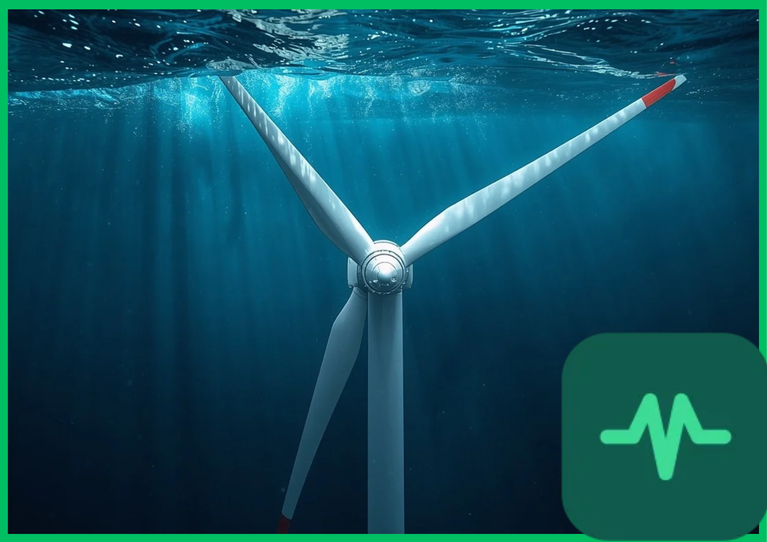
Far out beyond the horizon, towering white giants stand tall against the sky. Their massive blades spin slowly and gracefully, catching the ocean wind and turning it into clean electricity.
They do not make a sound that reaches the shore. They do not burn fossil fuels. They do not pollute the water.
They pull pure, emission-free power straight from the atmosphere.
Transitioning our global energy supply away from coal and gas requires tapping into the strongest, most consistent wind resources on Earth.
Those winds blow loudest and hardest across the open sea.
Building massive industrial power generators in the middle of a corrosive, storm-tossed ocean is one of the hardest engineering challenges humanity has ever tackled.
How do you anchor a structure taller than a skyscraper in deep ocean water while it battles hurricane-force waves and freezing salt spray?
A quiet, brilliant structural engineering revolution is reshaping our oceans.
According to global energy reports from the International Energy Agency (IEA), resource protection frameworks from the United Nations Environment Programme (UNEP), efficiency benchmarks from ENERGY STAR, and academic marine engineering research, offshore wind turbine engineering is transforming our energy horizon.
By anchoring giant floating and fixed-bottom turbines in deep marine waters, we harvest massive quantities of clean renewable power.
Here is how offshore wind engineering works, why deep-water floating platforms change marine energy generation, and how open-ocean wind farms secure our sustainable future.
The Untapped Power of the Open Ocean
To understand why offshore wind engineering matters so much, you have to look at how wind behaves over land versus water.
On land, wind hits hills, forests, buildings, and roads.
All those physical obstacles slow the wind down and create turbulent, messy air currents.
The ocean offers a smooth, wide-open surface with zero obstacles.
Winds blow faster, steadier, and more reliably across open water than they ever do inland.
An offshore wind turbine catches significantly more energy than a land-based turbine of the exact same size.
For many years, engineers were limited by shallow water depths. They could only build wind turbines close to the shoreline where massive steel towers could be driven directly into the solid seabed.
As coastal shallow areas filled up, the real prize lay further out in the deep blue sea, where winds blow with fierce, uninterrupted strength.
Reaching those deep waters required a complete rethink of marine architecture.
What Is Offshore Wind Turbine Engineering?
Offshore wind turbine engineering is the specialized discipline of designing, building, and anchoring massive electricity-generating wind turbines in marine environments.
Instead of traditional land foundations, offshore engineers use two primary structural systems depending on ocean depth:
- Fixed-Bottom Foundations: Used in shallow to moderate coastal waters up to 60 meters or roughly 200 feet deep, where heavy steel monopiles or jacket frames are driven deep into the seabed to hold the tower rigid.
- Floating Platforms: Used in deep-water marine environments where the ocean floor is too deep for fixed piles, utilizing massive floating steel or concrete hulls tethered to the seabed by heavy mooring lines and anchor chains.
When ocean winds turn the massive rotor blades, an internal generator converts kinetic energy into electricity.
Heavy undersea cables carry that power miles across the ocean floor straight to onshore transmission substations, illuminating thousands of homes on land.
The Science of Floating Platforms and Dynamic Stability
How do you keep a wind turbine standing upright when it sits on top of a floating platform tossed by towering ocean waves?
It comes down to naval architecture, ballast control, and physics.
Academic marine engineering research shows that floating offshore wind platforms rely on deep-draft ballasting and tension-leg mooring systems to maintain absolute stability.
Even when fierce ocean swells roll beneath the platform, internal ballast tanks filled with seawater keep the center of gravity far below the water line.
The turbine sways gently with the waves, but clever dampening systems absorb the stress, protecting the delicate gearbox and blades from destructive vibrations.
Furthermore, because floating turbines are not bolted to the seabed, they can be towed out into deep-water zones where ocean winds blow twice as hard and steady as coastal breezes.
According to ENERGY STAR and international industrial efficiency evaluations, offshore wind turbines achieve high capacity factors, generating clean electricity for up to 50% of the year.
Environmental Protection and Marine Stewardship
The environmental benefits of offshore wind energy extend far beyond reducing carbon emissions.
They actively support marine ecosystem health.
According to UNEP resource circularity frameworks, offshore wind installations are designed with strict environmental safeguards to protect marine life during construction and operation.
Underwater noise mitigation systems protect whales and dolphins from heavy pile-driving sounds.
Interestingly, once offshore turbine foundations are installed in the seabed, they act as artificial coral reefs.
The heavy steel and concrete structures provide safe shelter for fish, crabs, and aquatic plants, creating thriving protected marine habitats where commercial fishing is restricted.
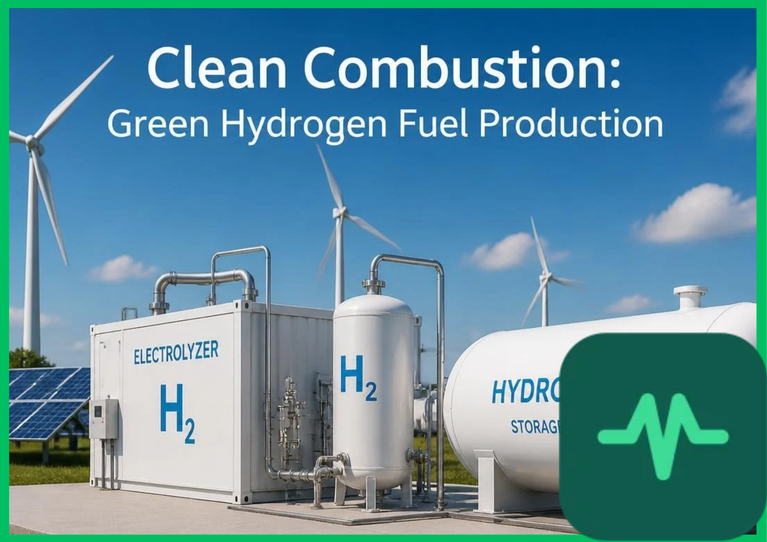
According to IEA clean energy roadmaps, expanding offshore wind capacity provides the gigawatt-scale electricity needed to power heavy industries and green hydrogen production without consuming valuable land resources onshore.
Overcoming Corrosion and Maintenance Realties
Operating industrial machinery in the middle of a saltwater ocean involves battling one of nature's most destructive forces: corrosion.
Salt spray, high humidity, freezing temperatures, and crashing waves test marine materials to their absolute limits.
Offshore engineers protect steel towers with multi-layer epoxy coatings, cathodic sacrificial anodes, and advanced composite materials that resist saltwater decay for decades.
Maintenance crews travel to the turbines via specialized vessels or helicopters, hoisting themselves onto outdoor platforms even when ocean swells roll beneath them.
As robotics and drone inspections improve, automated systems monitor structural integrity continuously, ensuring these ocean giants operate safely for twenty-five years or more.
Harnessing Deep Waters Toward a Sustainable Future
Offshore wind turbine engineering proves that human ingenuity can tame the most powerful environments on Earth to build a clean energy future.
We no longer have to limit our renewable energy generation to crowded land areas.
By anchoring fixed and floating wind turbines in deep ocean waters, we unlock a nearly limitless supply of clean marine energy.
We step away from fossil-fuel dependence, embracing a powerful, resilient, and enduring standard of power generation.
Through brilliant marine engineering, naval architecture, and deep respect for our oceans, deep waters secure a clean, bright, and sustainable future for our world.
Comments (0)
Login to leave a comment.
No comments yet. Be the first to share your thoughts!