You look up at the sky. Above a busy highway, heavy trucks rumble past, leaving thick, dark plumes of exhaust fumes trailing behind them.
That dark smoke contains toxic gases and carbon dioxide, choking our cities and warming our planetary atmosphere.
For over a century, heavy transport, steel mills, and chemical factories relied on fossil fuels to generate the massive heat and power they needed to run.
You cannot easily power an ocean-going cargo ship or a giant steel blast furnace with a standard lithium battery. Those heavy industrial tasks demand dense, storable chemical energy.
Burning coal, oil, and natural gas solved that energy problem for generations, while pushing our global climate toward a dangerous edge.
How do we fuel heavy industries and massive transport networks without burning fossil fuels?
You look at the most abundant molecule in our universe.
Water.
A quiet, brilliant electrochemical revolution is turning ordinary water into the cleanest fuel on Earth.
According to global energy reports from the International Energy Agency (IEA), resource protection frameworks from the United Nations Environment Programme (UNEP), efficiency benchmarks from ENERGY STAR, and academic electrochemistry research, green hydrogen fuel production is transforming our industrial horizon.
By using renewable electricity to split water molecules through electrolysis, we create a zero-emission industrial gas that powers heavy transport and heavy manufacturing without a drop of oil.
Here is how green hydrogen works, why water electrolysis changes heavy industry, and how clean combustion secures our sustainable future.
The Dirty Secret of Traditional Hydrogen
To understand why green hydrogen matters so much, you have to look at how the world manufactured hydrogen gas in the past.
Hydrogen is the lightest and most abundant element in the universe.
It packs a massive amount of energy by weight, making it an ideal fuel for heavy transport and industrial heating.
For decades, industrial chemical plants produced hydrogen using a process called steam methane reforming.
They took fossil natural gas, mixed it with high-pressure steam, and cooked it at extreme temperatures.
That process stripped the hydrogen atoms away from carbon atoms, creating hydrogen gas for fertilizer production and oil refining.
It also released staggering volumes of carbon dioxide directly into the air.
That dirty product was known as grey hydrogen.
Using fossil fuels to manufacture clean fuel made zero ecological sense.
If we wanted hydrogen to be a true climate solution, we had to change how we made it from the ground up.
What Is Green Hydrogen Fuel Production?
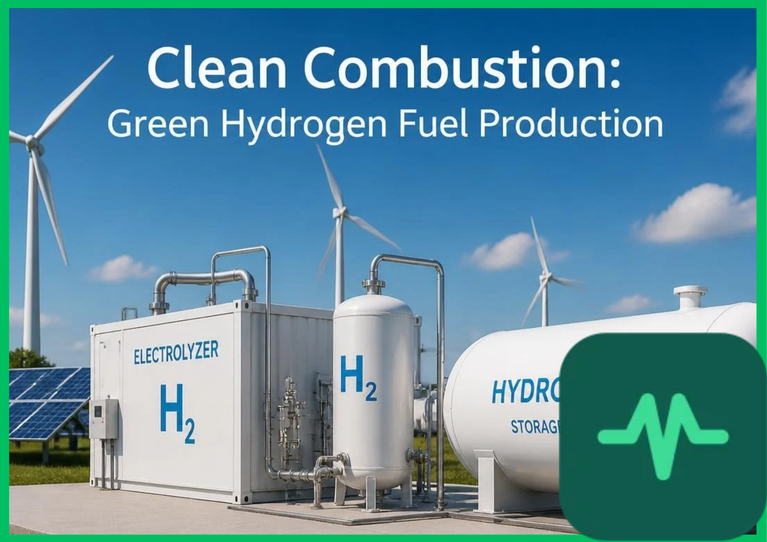
Green hydrogen fuel production is the zero-emission process of splitting pure water molecules into hydrogen and oxygen gas using electrical energy generated exclusively from renewable sources like wind, solar, or hydro power.
Instead of burning fossil gas, clean renewable electricity powers an industrial device known as an electrolyzer.
Inside the electrolyzer, water flows past two specialized electrodes.
An electrical current passes through the water, forcing the chemical bonds holding hydrogen and oxygen together to snap apart.
Oxygen gas bubbles away harmlessly into the atmosphere or is captured for medical and industrial use.
Pure hydrogen gas is collected, pressurized, and stored in heavy tanks.
When you burn that green hydrogen in a fuel cell or an industrial turbine, it combines back with atmospheric oxygen to release clean energy and pure water vapor.
No carbon. No smoke. No toxic exhaust.
Just pure energy and clean water droplets.
The Science of Water Electrolysis and Efficiency
How do you split water molecules efficiently using electricity without wasting power?
It comes down to advanced electrochemistry and catalyst engineering.
Academic research in electrochemistry shows that modern electrolyzers use specialized membranes and precious metal catalysts—such as platinum or iridium—to lower the electrical resistance of water during the splitting process.
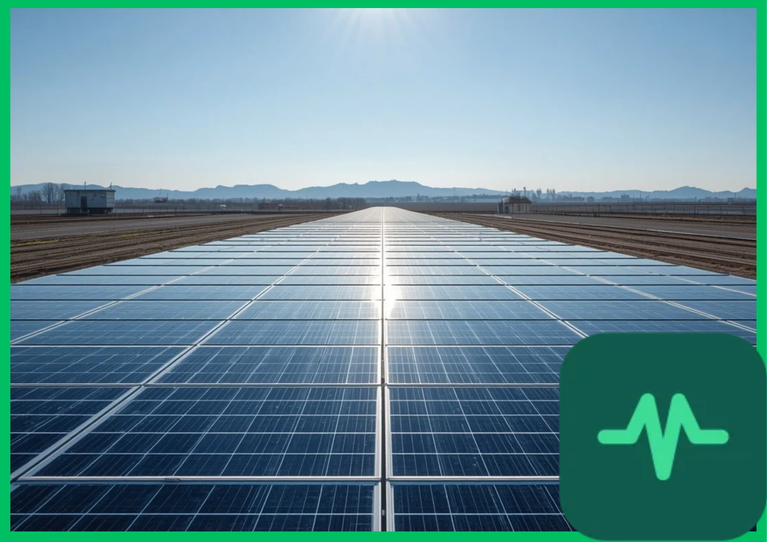
When solar or wind farms generate a surplus of cheap renewable electricity on a sunny or windy afternoon, that power is routed straight into the electrolyzers.
The water splits rapidly, storing the surplus renewable energy as a high-density chemical gas.
That stored hydrogen can sit in tanks for months, serving as a seasonal energy reserve when the wind stops blowing or the sun refuses to shine.
According to ENERGY STAR and international industrial efficiency evaluations, advanced proton-exchange membrane electrolyzers achieve high operating efficiencies, converting electrical energy into stored chemical fuel cleanly and reliably.
Environmental Integrity and Heavy Industry Transformation
The environmental benefits of green hydrogen extend far beyond cleaning up chemical plants.
They provide the only viable decarbonization pathway for heavy industries that cannot run on batteries alone.
Heavy steel manufacturing requires temperatures exceeding 1,500°C or 2,700°F to melt iron ore. Electric batteries cannot generate that kind of concentrated industrial heat.
Burning green hydrogen inside industrial furnaces provides zero-emission thermal energy, replacing coal in global steel mills.
Cargo ships crossing deep oceans and long-distance freight trucks hauling cargo across continents use green hydrogen fuel cells to generate clean electricity on demand.
According to UNEP resource circularity frameworks, replacing fossil-fuel feedstocks with green hydrogen eliminates toxic industrial emissions while supporting a closed-loop chemical economy.
According to IEA clean energy roadmaps, scaling up green hydrogen production is an essential pillar to eliminate the final stubborn percentage of global carbon emissions.
Overcoming Infrastructure and Cost Realties
Building a global green hydrogen economy involves navigating real-world infrastructure and economic hurdles.
Transporting hydrogen gas requires specialized high-pressure pipelines or cryogenic liquid tankers, because hydrogen molecules are tiny and prone to leaking through ordinary steel pipes.
Electrolyzers require significant upfront capital investment and large volumes of purified water.
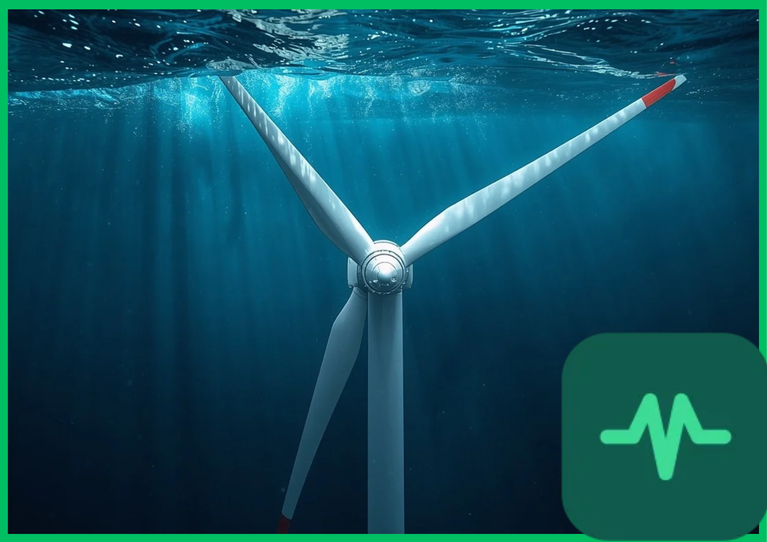
Engineers solve those challenges by building green hydrogen production hubs directly beside offshore wind farms and coastal desalination plants, using purified seawater to feed the electrolyzers.
As manufacturing scales up and global supply chains mature, the cost of producing green hydrogen continues to fall rapidly across every continent.
Combustive Innovation Toward a Sustainable Future
Green hydrogen fuel production proves that human chemistry can turn basic water into an infinite, clean energy resource.
We no longer have to accept that heavy transport and heavy manufacturing require burning dirty fossil fuels.
By using renewable electricity to split water molecules through electrolysis, we create a zero-emission fuel that powers our heaviest industries safely.
We step away from oil and coal, embracing a powerful, clean, and enduring standard of combustion.
Through brilliant electrochemistry, renewable energy integration, and deep respect for our planetary climate, clean combustion secures a bright, sustainable future for our world.

Comments (0)
Login to leave a comment.
No comments yet. Be the first to share your thoughts!