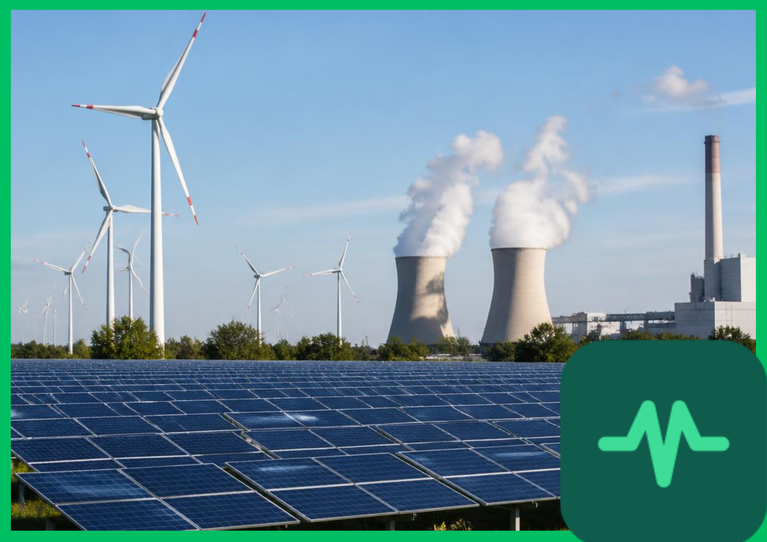
The global electricity system is approaching an important milestone. Renewable electricity growth is accelerating as solar and wind expand.
The IEA says renewable generation is expected to overtake coal-fired generation in 2026. That would mark a major change in the global electricity mix.
Coal has been the world's largest source of electricity for decades. Now, renewable power is moving ahead.
Solar Is Leading the Change
Solar PV is the biggest driver of renewable electricity growth. The IEA expects solar generation to increase by about 600 TWh in 2026.
It also expects solar to overtake wind in 2026 and become the world's second-largest source of renewable electricity after hydropower.
This reflects the rapid expansion of solar capacity around the world.
Wind Remains Important
Wind power also remains a major contributor. Global wind generation is expected to continue increasing. Wind and solar together are becoming a much larger part of the electricity mix.
The IEA expects their combined share of global electricity generation to rise from about 17% in 2025 to 27% by 2030.
Therefore, renewable electricity growth is likely to remain strong.
Electricity Demand Is Rising
The transition is happening while electricity demand is increasing. Global electricity demand grew by about 3% in 2025.
That was more than twice the growth rate of overall energy demand. More electric cars need power.
Data centres need power. Air conditioning is becoming more common. Industries are also electrifying. Therefore, the world needs more electricity.
Renewables Are Meeting Much of the Growth
Renewable sources are meeting a large share of new electricity demand. In 2025, renewable generation increased strongly.
Solar alone recorded its largest-ever annual increase in electricity generation, adding around 600 TWh.
This is one reason renewable electricity growth is becoming so important.
The Grid Is the Next Challenge
Rapid renewable growth creates a new problem. Electricity grids need to handle more variable generation. Solar output changes during the day. Wind output changes with weather.
Therefore, grids need greater flexibility.
The IEA says grid expansion, modernisation and system flexibility will be critical as renewable shares increase.
Storage Will Matter
Battery storage can help. Batteries can absorb electricity during periods of high renewable output. They can then release it later.
The IEA reports that battery storage was the fastest-growing power technology in 2025. This means storage is becoming closely connected with renewable electricity growth.
Coal Is Under Pressure
Coal remains a major source of global electricity. However, its position is changing. Global coal-fired electricity generation fell by about 0.5% in 2025.
This was the first decline outside a crisis-related period since 2015. The decline does not mean coal is disappearing.
It does mean that the competitive position of renewable electricity is changing.
The Outlook to 2030
The IEA expects renewables and nuclear power together to provide around half of global electricity generation by 2030.
Renewable electricity is expected to grow by roughly 1,000 TWh each year through 2030.
That would represent a major transformation.
EcoTech View
The rise of renewable electricity growth is changing the global energy market.
However, building generation is only the first step. Countries need grids. They need storage. They need flexible demand.
They also need strong energy policies. If those pieces develop together, renewable electricity can become an even stronger part of global power systems.
Conclusion
Renewable electricity growth is approaching a historic milestone. The IEA expects renewables to overtake coal in global electricity generation in 2026. Solar will remain the main driver. Wind will continue to provide large amounts of clean power.
Meanwhile, batteries and stronger grids will help electricity systems manage the change.
The global energy transition is therefore entering a new stage.
Sources: IEA, Electricity 2026 and Electricity Mid-Year Update 2026.

Comments (0)
Login to leave a comment.
No comments yet. Be the first to share your thoughts!