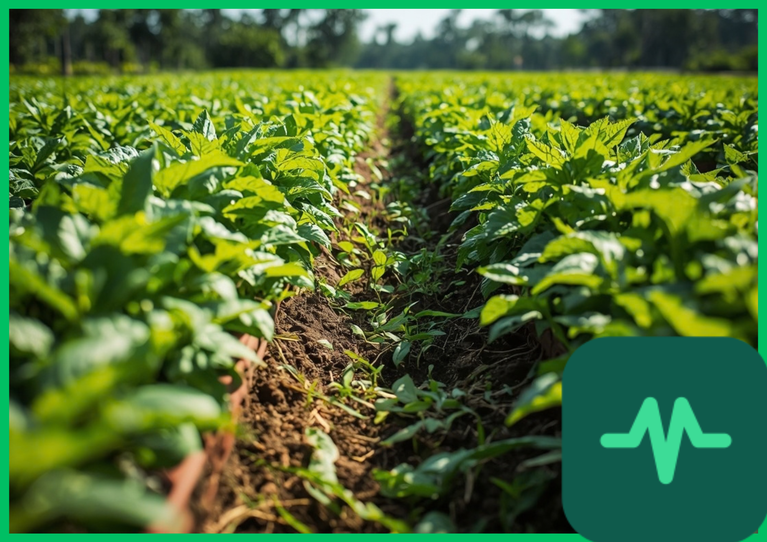
This tension has created a false choice between energy security and food security. In many agricultural regions, productive soil has been cleared, packed down, and covered in gravel to make way for fields of traditional solar racks. This practice strips the land of its natural value and isolates the local farming community.
A collaborative design concept is completely changing this dynamic. Known as agrivoltaics, this approach proves that energy production and agriculture do not have to fight for space. By intentionally combining solar panels with active farming on the very same plot of land, we can actually create a cooperative ecosystem that improves crop yields, saves water, and generates clean power simultaneously.
The Architecture of Dual-Use Solar
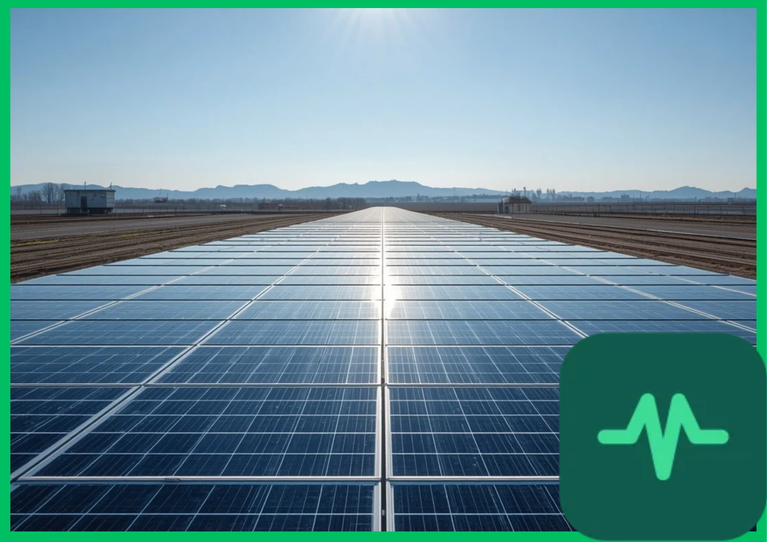
To understand how this system works, you have to look at how traditional solar fields are constructed. Standard solar panels sit low to the ground on short metal legs, packed tightly together in dense rows. This design leaves no room for tractors, animals, or crops underneath, turning the ground below into a dark, dead zone where nothing but weeds can grow.
An agrivoltaic setup completely rethinks this layout. When assessing residential solar farming land requirements, engineers adjust the height and spacing of the entire structure. The solar arrays are elevated significantly higher into the air, often standing three to five meters (10 to 16 feet) off the ground. The rows are also spaced much further apart.
This elevation creates a spacious, open canopy. It leaves more than enough clearance for standard farming tractors to drive underneath, for cattle or sheep to graze safely, and for hand-harvested crops to flourish. Instead of replacing the farm, the solar installation acts as a protective, partial-shade ceiling over the existing agricultural operation.
The Ecosystem of Mutual Benefit
The true magic of this design lies in the physical relationship between the plants below and the solar panels above. In a traditional solar array, the intense, unshielded midday sun bakes the soil. Water evaporates rapidly, requiring farmers to use massive amounts of irrigation just to keep their crops alive.
When you introduce an elevated solar canopy, you create a dynamic microclimate. The panels provide moving patches of partial shade throughout the day. This shade protects sensitive vegetables from getting scorched by intense afternoon heat, reducing the temperature of the soil and cutting water evaporation rates by up to 30 percent.
The benefits flow upward as well. Solar panels are made of silicon, which actually becomes less efficient at generating electricity when it gets excessively hot. Plants absorb sunlight and constantly release moisture into the air through a natural process called transpiration. This rising moisture acts as a natural, evaporative cooling system for the solar panels directly above them. This cooling effect lowers the operational temperature of the photovoltaic cells, allowing them to generate more electricity than they would sitting over a dry, hot bed of gravel.
Selecting the Right Crops and Animals
Implementing this dual-use framework requires matching the right agricultural life to the unique shade patterns of the site. You cannot simply plant any crop anywhere and expect it to thrive.
When configuring systems for an agrivoltaics for small property layout or a larger farm, certain plants emerge as perfect partners. Leafy greens like spinach, lettuce, and kale absolutely thrive in partial shade, often producing larger, crisper leaves than they would under full, unshielded sun. Root vegetables like potatoes, carrots, and radishes also perform exceptionally well, as do delicate fruits like berries and tomatoes that are highly vulnerable to sun-scald.
For properties focused on livestock rather than crops, the elevated panels offer an excellent environment for rotational grazing. Sheep are the ultimate partners for solar installations. The panels provide the animals with vital shade during the heat of the day, reducing heat stress and improving animal welfare. In return, the sheep graze continuously on the grass around the metal supports, eliminating the need for gas-powered lawnmowers or chemical weed killers to keep the vegetation from blocking the sunlight.
Navigating the Upfront Trade-offs
While the long-term ecological balance is incredibly promising, transitioning a property to this model involves clear structural and financial challenges. Building an elevated solar array requires significantly more steel, deeper foundations, and more advanced engineering than building a standard, low-to-the-ground system.
These structural demands naturally increase the initial installation cost. Farmers must carefully calculate how the long-term water savings, increased crop yields, and steady electricity production will balance out that higher upfront investment.
There is also a learning curve involved in managing the land. Operating large agricultural machinery around steel support pillars requires careful planning and precise driving. The electronic wiring networks must be buried deeply underground or wrapped in heavy-duty protective conduits to ensure they are completely safe from chewing animals, sharp digging tools, and heavy tractor tires. It transforms farming into a high-tech operation that requires ongoing cooperation between agricultural experts and solar technicians.
Redefining the Rural Landscape
Agrivoltaics changes our understanding of what a farm can be. It proves that we do not have to sacrifice our natural food systems to build a clean energy future.
By stacking these two vital industries on top of each other, landowners can diversify their income streams. Even during years of severe drought or unexpected crop failures, a farm running a dual-use system can rely on a steady, predictable income from the electricity generated overhead. It turns the agricultural landscape into a resilient powerhouse that feeds communities while cleanly powering the world around them.
Comments (0)
Login to leave a comment.
No comments yet. Be the first to share your thoughts!