That design compromise is quickly disappearing. A structural shift is taking place in residential architecture. Instead of slapping solar panels on top of a building as an afterthought, engineers are building solar technology directly into the construction materials themselves.
This approach is known as building-integrated photovoltaics. By turning standard building components into active power generators, your home can harvest clean energy invisibly. But as this technology moves into the mainstream, every homeowner faces a critical comparison: how do these premium integrations stack up against traditional setups on a practical, financial level?
Understanding the Materials
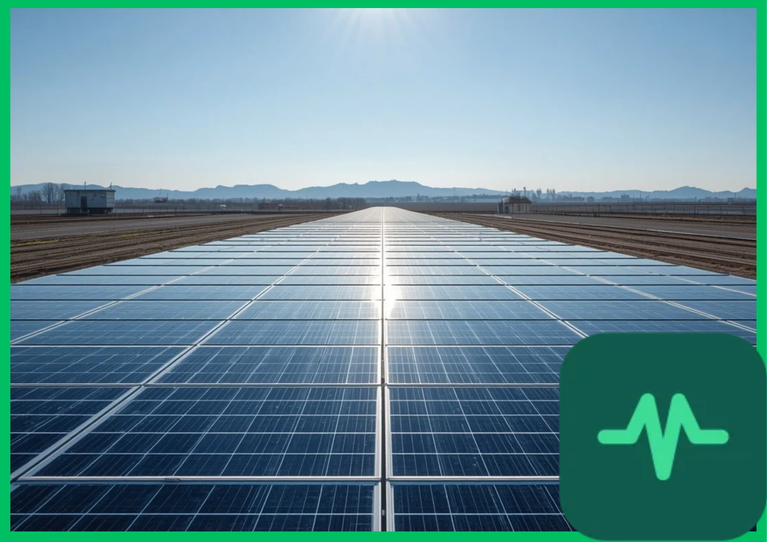
To weigh your options, it helps to understand what makes these materials unique. Traditional solar setups use standard photovoltaic panels. They are self-contained units manufactured in a factory, shipped to your house, and fixed to your roof using rails and brackets. The roof underneath still needs its own protective layers, like asphalt shingles or concrete tiles.
Integrated technology takes a completely different path. When you look at an installation utilizing architectural solar tiles, you are not looking at a cover on top of a roof. You are looking at the roof itself. These specialized shingles or tiles are made from high-strength tempered glass that protects your home from rain, wind, and hail just like standard roofing material. However, buried inside that durable glass is a layer of active solar cells.
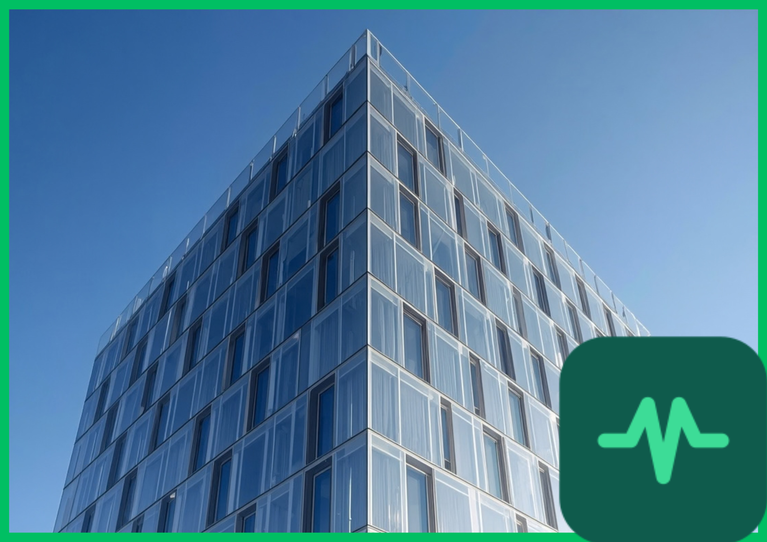
This concept extends well beyond the roofline. Architects are now utilizing solar glass for windows, skylights, and exterior wall cladding. The goal is to turn the entire outer shell of a building into a giant, seamless energy sponge without altering its visual identity.
The Financial Equation
When it comes to budgeting, the upfront numbers can look intimidating. A direct solar roof tiles vs solar panels price comparison shows that an integrated roof costs significantly more than a standard panel array of the same wattage. If your current roof is brand new and you simply want to add solar capability, retrofitting traditional panels is almost always the more economical choice.
The financial math changes entirely if you are already planning a major renovation or building a new home from scratch. If you choose a traditional setup, you have to pay a contractor to tear off your old roof, pay for new standard shingles, and then pay a separate solar team to bolt panels on top. You are effectively paying for two separate structural layers and two separate installation crews.
An integrated system collapses those steps into a single process. By analyzing the total building-integrated photovoltaics residential cost, you realize that you are purchasing your roofing material and your power plant at the exact same time. When you subtract the money you would have spent on high-end conventional roofing materials, the premium gap for the solar integration shrinks dramatically, often making it highly competitive over the long term.
Evaluating Practical Performance
Beyond the initial receipt, you have to look at how these systems perform over decades of exposure to the elements. Traditional solar panels are highly optimized for one specific job. Because they sit on racks away from the roof surface, air flows freely underneath them. This natural ventilation keeps the panels cool, which is vital because solar technology actually becomes less efficient as it gets excessively hot.
Integrated shingles rest flat against the roof deck, leaving less room for airflow. Manufacturers have spent years solving this thermal challenge, but a slight aesthetic solar shingle efficiency gap still exists. Pound for pound, standard panels are generally better at turning raw sunlight into electricity in extreme heat.
However, integrated systems compensate for this minor efficiency loss through coverage area. Traditional panels are constrained by square or rectangular dimensions that cannot fit easily around complex roof shapes, hips, valleys, or dormers. Because solar shingles are the size of regular building tiles, installers can cover a much larger percentage of your roof surface. This increased surface area often offsets the lower individual cell efficiency, resulting in a highly productive overall system.
The Reality of Installation and Care
Bringing this invisible technology to your property requires a specialized labor force. A traditional panel installation is a straightforward mechanical job that a certified solar crew can knock out in a single afternoon. They drill their mounts, run their wires, and leave.
A BIPV solar roof installation requires a cross-disciplinary approach. The team working on your home must be highly skilled roofing contractors who understand how to weatherproof a building against heavy storms, and they must also be licensed electricians who understand complex low-voltage wiring networks. Every single active tile must be safely linked to the next to create a continuous circuit. Because of this complexity, the installation process takes longer and requires meticulous quality control.
Once the system is live, maintenance is remarkably simple. Traditional panels can create small gaps underneath their frames where dead leaves, debris, and even birds can nest, requiring occasional clearing. Integrated roofs are completely flat and uniform. There are no ledges to catch debris, no brackets to loosen over time, and no exposed under-wiring vulnerable to pests. You care for it exactly like a premium stone or metal roof—by letting the rain rinse it clean.
Shaping the Visual Future of Clean Energy
Choosing between integrated tech and classic panels ultimately comes down to how you value your property's long-term aesthetics and architecture. For homes with complex historical lines, strict community design guidelines, or owners who simply love minimalist design, integrated photovoltaics offer total freedom.
You no longer have to choose between reducing your environmental impact and preserving your home's visual appeal. The technology has evolved to a point where clean energy production can blend completely into the background, quietly powering your life from the very structure of the walls and roof around you.



Comments (0)
Login to leave a comment.
No comments yet. Be the first to share your thoughts!