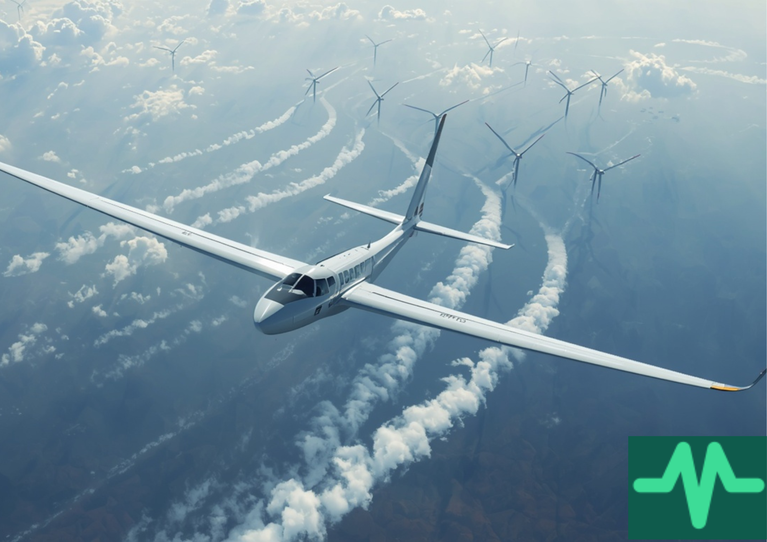
For years, engineers kept building bigger towers to chase better wind. But bigger towers cost more. They need heavier foundations. They need massive cranes just to install them. At some point, this approach simply stops making sense. There had to be another way to reach that high-altitude wind.
Airborne wind energy offers that other way. Instead of building upward with steel and concrete, this technology flies upward instead. In this guide, we will explore how airborne wind energy works. We will look at the clever flying machines making it possible. We will also look at why this idea could reshape how we think about wind power. By the end, you will understand why so many engineers feel excited about power generated from the sky.
Why Traditional Towers Hit a Wall
Let's start with the old problem. Wind gets stronger and steadier the higher you go. This is simple physics. Ground friction slows wind down near the earth's surface. Higher up, wind moves faster and more consistently.
Traditional turbines chase this better wind by growing taller. But height comes at a steep cost. A bigger tower needs a bigger, heavier foundation. It needs more steel. It needs more concrete. Eventually, the cost of building taller outweighs the benefit of catching better wind.
This is the wall traditional wind power keeps hitting. No matter how tall a tower gets, it can never reach the truly powerful wind currents found much higher in the sky. Airborne wind energy was built specifically to break past this limit.
What Is Airborne Wind Energy?
So what exactly is airborne wind energy? Instead of a tower, this technology uses a flying wing or kite. This wing stays connected to the ground by a strong tether. As it flies, it captures wind far above where any traditional turbine could ever reach.
This idea sounds almost like science fiction. Yet it works using fairly simple, understandable physics. The flying wing moves through fast, high-altitude wind. That movement gets turned into electricity, either up in the air or down on the ground, depending on the exact design used.
This shift feels genuinely clever. Instead of forcing wind power to stay grounded, airborne wind energy simply lets the hardware go where the best wind already exists.
Two Ways to Catch the Wind
There are two main designs used in airborne wind energy today. Each one captures power in a slightly different way, though both rely on the same basic idea of flying into strong, high-altitude wind.
Ground-Generation Systems
This first design works a bit like a giant yo-yo. A rigid, lightweight kite launches into the sky. It stays connected to a tether, which winds around a generator sitting on the ground.
As the kite flies, it moves in fast figure-eight patterns. This flying motion creates strong pulling force on the tether. That pulling force spins the ground generator, creating electricity. Once the tether reaches its full length, the kite adjusts its shape to reduce drag. This lets the ground station reel it back in using very little power, before the whole cycle starts again.
This clever back-and-forth cycle sits at the center of many airborne wind energy systems today. It feels almost playful, like flying a very smart, very powerful kite that happens to generate real electricity.
Fly-Generation Systems
The second design works differently. Instead of generating power on the ground, this version generates it directly in the air. A tethered drone wing carries small turbines built right onto its frame.
As the drone flies in circles through strong wind, these tiny onboard turbines spin. The electricity created gets sent down a special conductive tether, flowing straight into the power grid below. This approach skips the ground-based winch entirely, generating power right where the wind is strongest.
Both designs prove the same exciting point. Airborne wind energy does not need a heavy tower to succeed. It just needs smart engineering and a good, strong tether.
The Weight Savings That Change Everything
Here is where airborne wind energy truly shines. Traditional wind turbines require enormous amounts of material just to stand up straight. A standard turbine can need over a thousand tons of concrete and steel, just for its foundation and tower.
Airborne wind energy skips almost all of that. There is no tower. There is no massive foundation. The entire system, wing, tether, and ground station, can fit inside a single shipping container. That is a staggering difference compared to traditional wind infrastructure.
This weight and material savings feels genuinely exciting for anyone thinking about cost and environmental impact. Less concrete means a smaller carbon footprint before the system ever generates a single watt of power. Less steel means lower material costs and faster setup times too.
Reaching Places Traditional Turbines Cannot
This lightweight design opens up an exciting new possibility. Airborne wind energy can go places traditional wind farms simply cannot reach. Remote islands. Deep mining operations. Disaster relief zones. All of these locations struggle to receive massive turbine components through difficult roads or limited transport options.
Since airborne wind energy fits inside a shipping container, it becomes genuinely portable. Crews can transport and set up these systems in places where trucking in a hundred-meter turbine tower would be physically impossible. This portability feels like real hope for communities that have been stuck without reliable, clean power simply due to their remote location.
Imagine a small island community, cut off from mainland power grids. Traditional wind turbines might never make financial or logistical sense there. Airborne wind energy could change that story completely, bringing real, steady clean power to places long overlooked by traditional renewable infrastructure.
The Real Challenges Facing This Technology
It would be dishonest to pretend airborne wind energy comes without real challenges. Flying tethered devices high into the sky raises genuine, serious questions that need careful answers.
Sharing the Sky Safely
The most obvious concern involves airspace. Commercial airplanes fly through the sky too, and safety must always come first. Airborne wind energy systems must operate in ways that never interfere with normal aviation traffic.
This means careful coordination with aviation authorities. Systems need clear rules about where they can fly, how high they can go, and how quickly they can be brought down if needed. This regulatory work takes time, but it is essential for airborne wind energy to expand safely and responsibly.
Weather and Reliability
Flying wings and kites must handle real, unpredictable weather. Storms, sudden gusts, and turbulence all create genuine engineering challenges. Systems must be smart enough to detect dangerous conditions and land safely before anything breaks or crashes.
Engineers are constantly refining the software controlling these flights, teaching systems to react quickly to changing wind patterns. This ongoing refinement matters enormously for building trust in airborne wind energy as a reliable, everyday power source rather than just an experimental novelty.
Public Trust and Familiarity
Traditional wind turbines look familiar by now. People have seen them for decades. Airborne wind energy looks strange and new by comparison, flying kites or drones tethered high into the sky. This unfamiliarity can create hesitation among communities considering this technology for the first time.
Building public trust takes time and clear communication. As more successful projects prove themselves in the real world, this hesitation should fade, much like early skepticism around traditional wind turbines eventually did decades ago.
Why This Technology Feels So Exciting
There is something genuinely thrilling about watching engineers solve an old problem with such a creative new approach. Instead of building bigger and bigger towers, airborne wind energy simply lets the hardware fly to where the good wind already exists.
This feels like a real triumph of clever thinking over brute-force engineering. Rather than fighting gravity and cost limits with ever-larger towers, airborne wind energy sidesteps the whole problem entirely, using flight instead of height to reach powerful wind currents.
For remote communities desperate for reliable clean power, this technology offers something deeply meaningful: genuine hope. A future where isolated places no longer need to rely on expensive diesel generators, simply because airborne wind energy can be shipped in and set up quickly, without massive infrastructure investment.
Where This Technology Is Headed
Several companies are already testing airborne wind energy systems in real-world conditions today. Early pilot projects are proving that these flying systems can generate real, usable electricity reliably, not just in controlled lab settings.
As autonomous flight software continues improving, expect airborne wind energy systems to become smarter and safer over time. Better sensors and predictive algorithms should help these systems handle changing weather conditions with even greater confidence and reliability.
Regulatory frameworks are also slowly catching up, as aviation authorities work to create clear, sensible rules for this new category of technology. As these rules mature, expect airborne wind energy to expand into more regions and more use cases across the globe.
Common Questions About Airborne Wind Energy
How high do airborne wind energy systems fly? Most systems operate between 200 and 500 meters above the ground, well above the reach of traditional wind turbine blades.
Is airborne wind energy safe for aircraft? Systems must follow strict airspace regulations and coordinate closely with aviation authorities to avoid interfering with commercial flight paths.
Why does airborne wind energy use so much less material than traditional turbines? It eliminates the need for a tower and heavy foundation entirely, since the wing or kite flies freely instead of standing on fixed structural supports.
Where is airborne wind energy most useful? It works especially well in remote or hard-to-reach locations, such as islands, mining sites, and disaster relief zones, where traditional turbine components are difficult to transport.
The Cost Advantage Worth Understanding
Money matters just as much as clever engineering here. Traditional wind farms require massive upfront investment, largely due to the sheer amount of concrete and steel needed for each tower. This high cost has historically limited where wind power made financial sense.
Airborne wind energy flips this cost structure dramatically. Without a heavy tower or foundation, the total material cost drops significantly. Manufacturing a lightweight wing and tether system costs far less than pouring concrete and erecting steel columns hundreds of feet into the air.
Transportation costs shrink too. Since an entire airborne wind energy system fits inside a standard shipping container, moving it to a remote location becomes dramatically cheaper and faster than hauling massive turbine blades across difficult terrain. This cost savings could make clean power genuinely affordable for communities that previously found traditional wind infrastructure completely out of reach financially.
Maintenance costs also look promising for airborne wind energy over the long run. Ground-based components remain accessible and easy to service, avoiding the need for expensive crane rentals or specialized climbing crews required to maintain traditional turbine blades hundreds of feet in the air. As this technology matures, these combined savings could make airborne wind energy an increasingly attractive option compared to conventional wind infrastructure.
Comparing Airborne Wind Energy to Traditional Turbines
It helps to place airborne wind energy side by side with the towering turbines most people already recognize. Traditional turbines offer proven reliability, built on decades of engineering refinement and real-world operating experience. They also generate significant power at a single, fixed location.
Airborne wind energy trades some of that established track record for flexibility and lower material costs. It captures stronger, steadier wind found at higher altitudes, something fixed-height turbines simply cannot access. This higher-quality wind resource can mean more consistent power generation, even though the technology itself remains newer and less proven at scale.
Neither approach will likely replace the other completely. Traditional turbines will probably continue dominating large, established wind farms in accessible locations. Airborne wind energy seems better suited for remote areas, temporary installations, or situations where speed and portability matter more than decades of proven track record. Together, these two approaches could complement each other, expanding the overall reach of wind power across far more locations than either technology could achieve alone.
Final Thoughts
Airborne wind energy proves that sometimes the best solution is not to build bigger, but to think differently entirely. By replacing heavy towers with smart, tethered flight, this technology finally reaches the powerful wind currents that traditional turbines could never touch.
Real challenges remain, especially around airspace safety and public familiarity. Yet these feel like solvable problems, not permanent roadblocks. Just as early wind turbines once faced skepticism before becoming a common sight worldwide, airborne wind energy is steadily working through its own growing pains today.
As pilot projects prove their reliability and regulations continue to mature, expect airborne wind energy to reach more communities, especially those long overlooked by traditional renewable infrastructure. This technology offers something the clean energy world has needed for years: a lighter, more flexible way to reach the sky's most powerful, untapped resource.
In the end, airborne wind energy reminds us that innovation does not always mean building something bigger. Sometimes, it simply means learning to fly.


Comments (0)
Login to leave a comment.
No comments yet. Be the first to share your thoughts!