Renewable Energy Has a New Challenge
Renewable electricity is growing rapidly. But there is an important question. What happens when the sun is not shining and the wind is not blowing? This is one reason the idea of 24/7 renewable energy is gaining attention.
The goal is simple. Provide electricity from renewable sources throughout the day and night.
Solar and Wind Can Work Together
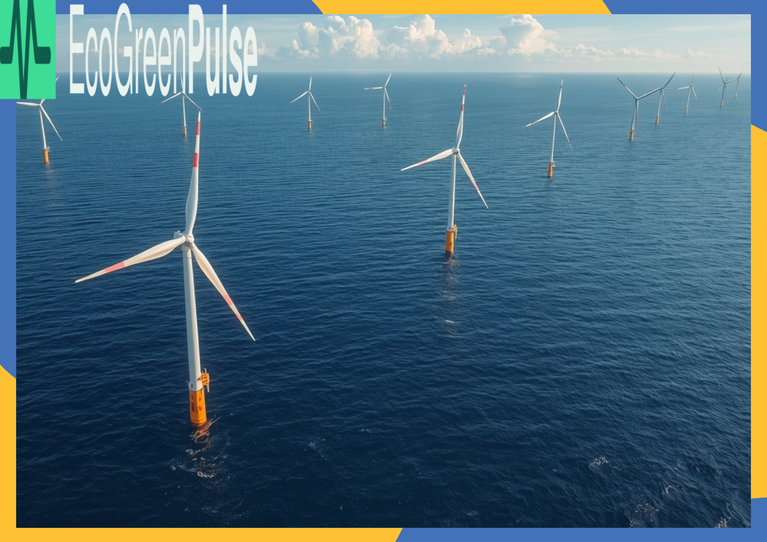
Solar and wind have different generation patterns. Solar produces electricity mainly during daylight. Wind can generate electricity at different times.
Combining them can improve the overall supply profile. Add batteries or other storage technologies, and the system can become even more flexible.
The IRENA Perspective
IRENA's 2026 work on firm solar and wind examines renewable systems designed to provide reliable electricity around the clock.
The agency finds that combining technologies and using strong renewable resources can make firm renewable electricity increasingly competitive in certain markets. The economics depend on local resources, system design and storage needs.
Why 24/7 Power Matters
Businesses often need reliable electricity. Data centres need continuous power. Factories cannot simply stop production whenever renewable output falls.
Hospitals need reliable electricity. Homes also require power after sunset. Therefore, renewable energy must increasingly be considered in terms of reliability, not just annual generation.
Storage Has an Important Role
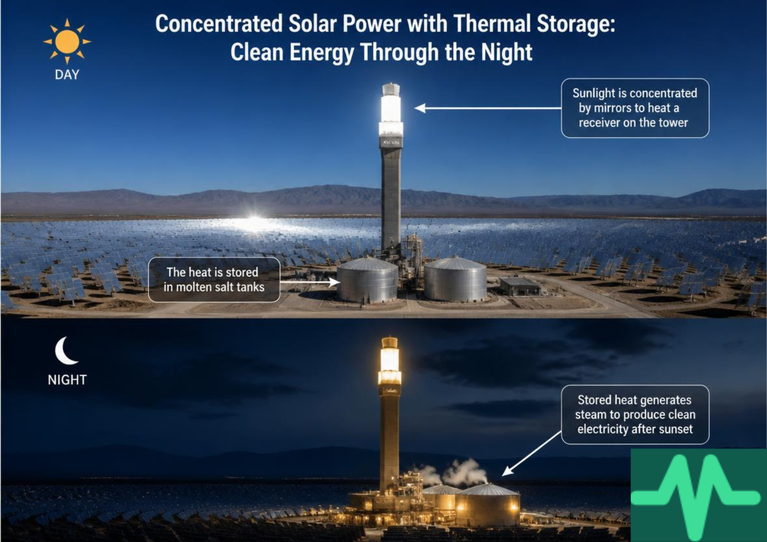
Battery energy storage can help fill short gaps. Solar electricity can be stored during the day. The battery can then release electricity when solar production falls.
However, longer periods of low renewable energy generation may require additional technologies. Depending on the system, these can include hydropower, long-duration storage, flexible generation or connections to larger electricity networks.
Location Matters
A 24/7 renewable system in a region with excellent solar and wind resources may look very different from one in a region with weaker resources.
Therefore, there is no universal design. Developers need to study local weather patterns, electricity demand and grid conditions.
Africa Could Use the Model
African countries have strong solar resources in many areas. Some regions also have valuable wind resources. Combining them could help create more reliable renewable electricity systems.
This could be particularly valuable for industrial facilities that require dependable electricity.
The Economics Are Changing
The falling costs of solar, wind and batteries are improving the economics of firm renewable power. The IEA reports that many clean-energy technologies have become increasingly cost competitive. Around 80% of global solar PV and wind generation now occurs at lower levelised costs than coal or gas.
However, firm power costs depend on the complete system. Generation is only one part. Storage, transmission and grid connections also matter.
EcoTech Analysis
The next big renewable-energy competition may not be about which technology produces the cheapest electricity at a particular moment.
It may be about which system can provide affordable electricity when people actually need it. That changes the conversation.
Instead of asking whether solar or wind is better, planners may increasingly ask how different technologies can work together.
Conclusion
24/7 renewable energy represents a shift from simply adding renewable capacity to designing complete electricity systems. Solar, wind, storage and grids can work together to provide cleaner and more reliable electricity.
The model will not work the same way everywhere. But as renewable energy grows, the need for firm clean electricity will also increase.
Source: IRENA, 24/7 Renewables: The Economics of Firm Solar and Wind.
Comments (0)
Login to leave a comment.
No comments yet. Be the first to share your thoughts!