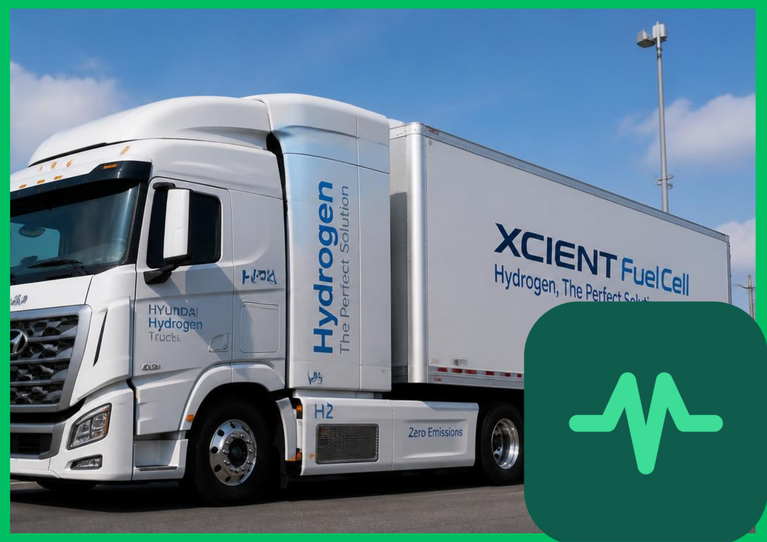
Electric cars have genuinely taken over the clean vehicle conversation. Big rigs, the massive trucks hauling freight across American highways, tell a different story. For these vehicles, hydrogen might genuinely make more sense than batteries.
Let's talk honestly about why hydrogen trucks are gaining real momentum, and whether this technology could genuinely reshape American trucking.
Why Trucks Face a Genuinely Different Challenge Than Cars
Here's the honest physics problem. Batteries are heavy, and the bigger the battery, the heavier it gets. For a passenger car, this trade-off is genuinely manageable.
For a massive semi-truck hauling forty thousand pounds of freight across the country, a battery large enough for genuinely long-range hauling would be so heavy it would eat significantly into the truck's actual cargo capacity. This is a genuine, physical problem that hydrogen addresses differently.
How Hydrogen Trucks Actually Work
A hydrogen truck stores compressed hydrogen gas in tanks, then uses a fuel cell to combine that hydrogen with oxygen, generating electricity on the spot to power an electric motor.
This is genuinely similar to how hydrogen cars work, just scaled up significantly for the demands of heavy freight hauling. The genuine advantage here is that hydrogen stores far more energy per pound than a comparable battery would.
Why Weight Genuinely Matters So Much in Trucking
Every pound of battery weight in a truck is a pound that can't be used for actual cargo. Trucking companies genuinely operate on tight margins, where maximizing cargo capacity per trip matters enormously to profitability.
Hydrogen's lighter weight, for the same amount of stored energy, genuinely solves this problem in a way heavy batteries currently can't match, at least not without sacrificing meaningful cargo space.
Refueling Speed: A Genuine Trucking Priority
Here's another genuine advantage worth understanding. Truckers operate under strict time constraints, federal regulations limit how many hours they can drive, and time spent charging is time genuinely lost from actual, productive driving.
Hydrogen trucks can refuel in roughly the same time as a traditional diesel truck, around fifteen to twenty minutes. Battery electric trucks, by comparison, can take considerably longer to charge, even with the fastest available charging technology.
Real Hydrogen Trucks Already Testing on American Highways
This isn't purely theoretical anymore. Several American trucking companies are genuinely testing hydrogen fuel cell trucks on real routes right now, hauling actual freight across real highways.
Major freight corridors, particularly in California and parts of the Midwest, have started seeing genuine hydrogen truck pilot programs, testing both the technology and the emerging refueling infrastructure needed to support it.
The Honest Infrastructure Challenge
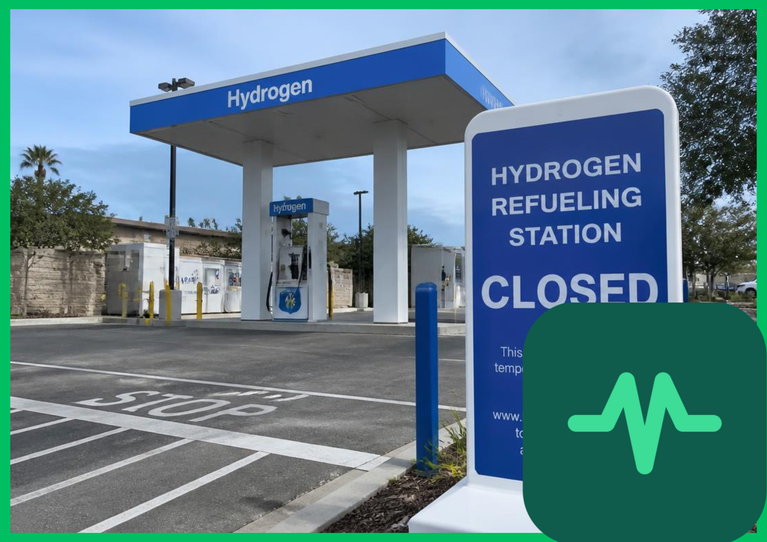
Let's be real about the genuine obstacle here. Hydrogen refueling stations for trucks remain genuinely rare across most of America. Building out this infrastructure, especially along major long-haul freight corridors, remains real, ongoing work.
This mirrors the broader hydrogen infrastructure challenge we've discussed elsewhere, but it's arguably even more pressing for trucking specifically, since long-haul routes genuinely depend on reliable refueling availability across entire multi-state corridors.
Why Trucking Companies Are Genuinely Interested Anyway
Despite these real infrastructure challenges, trucking companies have genuine reasons to explore hydrogen seriously. Fuel costs represent a massive, ongoing expense for trucking operations, and any technology offering genuine long-term savings deserves real consideration.
There's also growing regulatory pressure. Some states, California in particular, are pushing genuinely aggressive emissions targets for heavy trucking, creating real business incentive to explore cleaner alternatives like hydrogen sooner rather than later.
Comparing Hydrogen Trucks to Electric Trucks Honestly
Battery electric trucks genuinely work well for shorter routes, local delivery, regional hauling within a few hundred miles. For these shorter distances, the weight penalty of batteries matters less, and charging infrastructure is easier to plan around.
Hydrogen genuinely shines for longer-haul routes, where battery weight becomes a bigger problem and refueling speed matters more for keeping drivers within their legal hours. Many experts genuinely expect both technologies to coexist, each serving the routes where it makes the most practical sense.
What This Could Mean for American Trucking Jobs
Building out hydrogen trucking infrastructure creates real, genuine job opportunities, engineers, technicians, construction workers building refueling stations along major highway corridors.
This represents a genuine parallel to the broader hydrogen economy story, real infrastructure investment creating real, tangible employment across American communities situated along major freight routes.
Why This Matters Beyond Just Trucking Companies
Heavy trucking represents a genuinely significant chunk of America's transportation emissions, disproportionate to the actual number of trucks on the road, given how much fuel these massive vehicles consume.
Successfully transitioning trucking to cleaner fuel, whether hydrogen, batteries, or some genuine combination of both, represents real, meaningful progress toward broader climate goals, beyond just what happens with passenger cars.
The Honest Timeline Ahead
Let's be realistic about pacing here. Hydrogen trucks remain in genuinely early stages, pilot programs and limited real-world testing, rather than widespread commercial deployment.
Building out sufficient refueling infrastructure across major freight corridors will genuinely take years, not months. This is a real, long-term transition, not an overnight shift, but the direction of momentum feels genuinely clear.
Common Questions About Hydrogen Trucks
Why might hydrogen work better than batteries for trucks specifically?
Hydrogen stores more energy per pound than batteries, avoiding the weight penalty that cuts into cargo capacity on long-haul routes.
Are hydrogen trucks actually being used in America right now?
Yes, several companies are testing hydrogen fuel cell trucks on real freight routes, particularly in California and parts of the Midwest.
What's the biggest obstacle facing hydrogen trucks?
Limited refueling infrastructure remains the primary challenge, particularly along long-haul routes crossing multiple states.
Will hydrogen trucks replace electric trucks entirely?
Unlikely. Most experts expect both technologies to coexist, serving different route lengths and hauling needs based on their genuine strengths.
Final Thoughts
Hydrogen trucks represent a genuinely promising answer to a real physics problem that batteries alone struggle to solve for heavy, long-haul freight. It's not a flashy consumer story like electric cars, but it might genuinely matter just as much for America's climate future.
As infrastructure keeps developing and pilot programs keep proving out the technology on real highways, hydrogen trucks could genuinely become a normal, everyday sight on America's interstates within the coming decade.
Comments (0)
Login to leave a comment.
No comments yet. Be the first to share your thoughts!