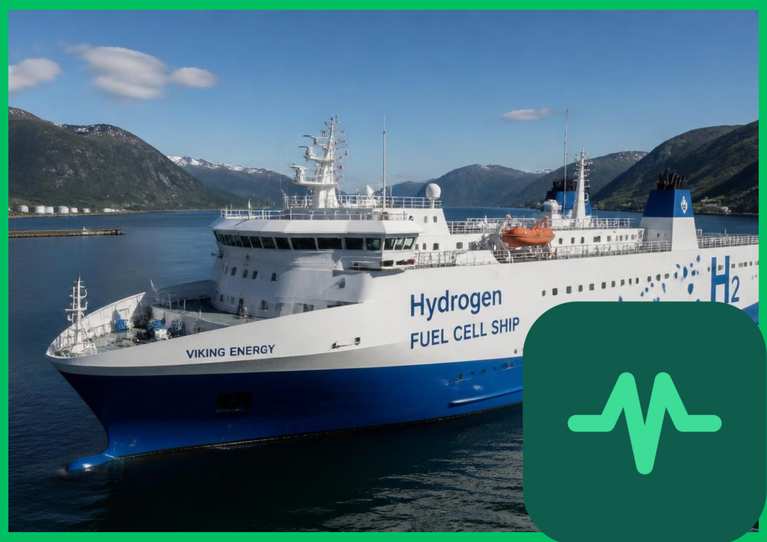
Let's talk honestly about what's happening at sea right now.
Why Shipping Genuinely Needed a Clean Energy Solution
Cargo ships genuinely burn extremely heavy, dirty fuel, creating substantial emissions that most consumers genuinely never see or think about. Unlike cars, ships genuinely can't simply plug into a battery charger, since the sheer distances and power needs genuinely exceed what batteries alone can efficiently provide.
Hydrogen powered ships genuinely offer a real solution to this uniquely difficult challenge.
How Hydrogen Powered Ships Actually Work
These vessels genuinely use hydrogen fuel cells or hydrogen-based engines instead of traditional heavy fuel oil. The hydrogen genuinely gets stored onboard and converted into power as needed, similar in concept to hydrogen cars, just scaled up dramatically for massive maritime use.
Why 2026 Has Genuinely Brought Real Progress Here
Several hydrogen powered ships that existed as genuinely small pilot vessels have now moved into real, commercial cargo operations this year. This genuinely represents proof that hydrogen can work at the massive scale shipping genuinely requires.
Watching these vessels genuinely deliver real cargo across real routes marks meaningful, tangible progress for an industry that's historically been genuinely difficult to clean up.
Why This Genuinely Matters Beyond the Ships Themselves
Shipping genuinely represents a significant, often overlooked chunk of global emissions. Progress here genuinely matters enormously for broader climate goals, even though most consumers genuinely never see or think about the ships carrying their everyday purchases.
Why Ports Are Genuinely Investing in Hydrogen Infrastructure
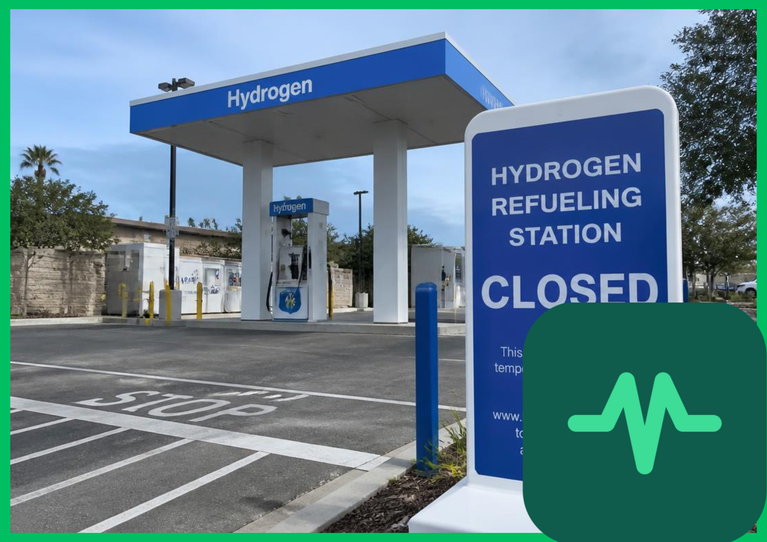
As hydrogen powered ships genuinely become more common, ports have genuinely started building the infrastructure needed to refuel them, hydrogen storage and delivery systems designed specifically for maritime use. This genuinely creates real jobs alongside the environmental benefit.
Why This Feels Like Genuine, Necessary Progress
There's something genuinely important about tackling pollution sources most people never consider. Hydrogen powered ships won't inspire the same excitement as a sleek new EV, but they genuinely address a massive, often invisible piece of the emissions puzzle.
The Honest Cost Challenge Still Facing This Industry
Let's be fair about real hurdles. Hydrogen powered ships genuinely cost more to build and operate than traditional cargo vessels right now. Shipping companies genuinely need real incentive, through policy or genuine customer demand, to justify this transition at meaningful scale.
Why This Matters for the Products You Buy
As more shipping genuinely shifts toward hydrogen power, products transported across oceans will genuinely carry a smaller hidden carbon footprint, even if you never see this shift reflected directly on any price tag.
What Comes Next for Hydrogen Powered Ships
Expect continued, gradual growth as more companies genuinely test and deploy these vessels, building on 2026's real commercial progress toward a genuinely cleaner shipping industry.
Common Questions
Why can't cargo ships genuinely just use batteries instead?
Batteries genuinely can't efficiently provide the massive power needed for long ocean voyages, making hydrogen a more practical option.
Are hydrogen powered ships genuinely operating commercially now?
Yes, several moved from pilot testing into real cargo operations in 2026.
Does this genuinely affect regular consumers?
Indirectly yes, as cleaner shipping reduces the hidden carbon footprint of goods transported across oceans.
Final Thoughts
Hydrogen powered ships in 2026 represent genuinely important, quiet progress on one of the world's most overlooked pollution sources. This shift deserves real, honest recognition, even without the flashy headlines other clean technologies receive.
Comments (0)
Login to leave a comment.
No comments yet. Be the first to share your thoughts!