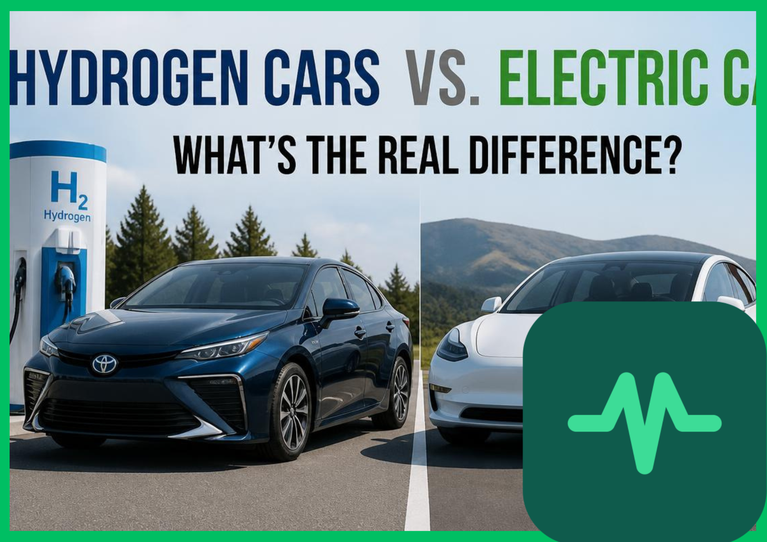
You've probably noticed electric cars everywhere lately. Hydrogen cars, though? Those feel more like a rumor than a real option.
Both promise cleaner driving. Both skip the gas pump entirely. Beyond that, they're built completely differently. Let's break down hydrogen cars vs. electric cars in plain, honest terms.
The Basic Difference, Explained Simply
An electric car stores energy in a big battery, then uses that stored electricity to power a motor. You plug it in. You wait for it to charge. Simple enough.
A hydrogen car works differently. It stores hydrogen gas in a tank, then combines that hydrogen with oxygen inside a fuel cell. This chemical reaction creates electricity on the spot, which then powers the motor. No plugging in required at all.
Both cars ultimately run on electric motors. The real difference is where that electricity comes from, stored in a battery, or made fresh inside the vehicle itself.
Refueling: The Biggest Practical Difference
Here's where hydrogen cars vs. electric cars really diverge in everyday life.
Charging an electric car takes time. Even fast chargers usually need twenty to forty minutes for a substantial charge. Home charging overnight is slower still, but happens while you sleep.
Hydrogen cars refuel almost exactly like gas cars. You pull up to a hydrogen station, fill the tank, and you're done in about five minutes. For anyone who hates waiting, that's a genuinely appealing advantage.
The Catch With Hydrogen Cars
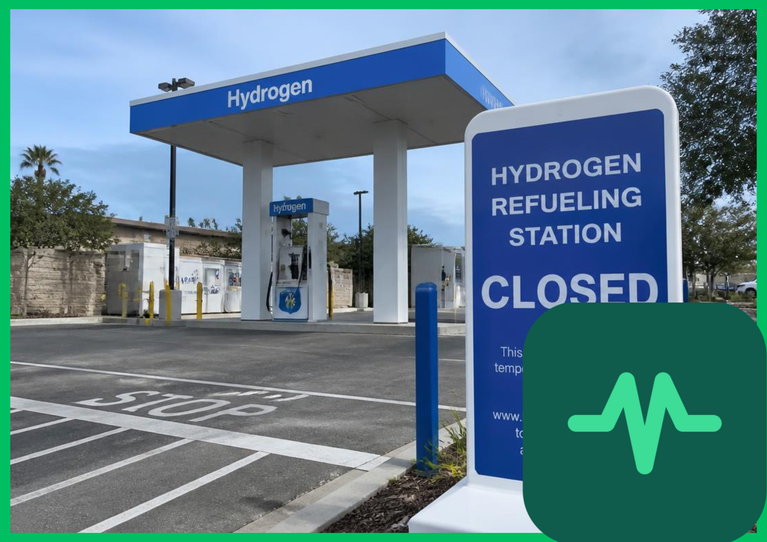
Here's the honest problem. Hydrogen refueling stations are incredibly rare in America. You can count the number of public stations on your fingers in most states.
Electric charging stations, by comparison, are everywhere now. Home charging alone makes EVs practical for most American drivers, even without a single public charger nearby.
This infrastructure gap is the single biggest reason hydrogen cars haven't caught on the way EVs have. The technology works. The refueling network just isn't there yet.
Range: How Far Can Each Actually Go?
Both technologies offer solid range these days, genuinely comparable to gas cars in many cases.
Many electric cars now cover 250 to 300 miles on a single charge. Hydrogen cars often match or slightly exceed that range too. Neither technology suffers from a serious range disadvantage anymore, that old concern has largely faded.
Cost: Which One Is Actually Cheaper?
This is where hydrogen cars vs. electric cars gets genuinely lopsided.
Charging an EV at home, especially overnight, tends to be remarkably cheap. Hydrogen fuel, on the other hand, currently costs significantly more per mile than either gasoline or home electricity.
This cost gap exists partly because hydrogen production and distribution remains expensive and limited in scale. Until that changes, EVs will likely stay the more budget-friendly option for most drivers.
Environmental Impact: Not as Simple as It Sounds
Both technologies can be genuinely clean, but only under the right conditions, and that nuance matters.
An EV charged with clean, renewable electricity produces very little emissions. If it's charged using electricity from coal plants, though, that clean image gets a lot murkier.
The same logic applies to hydrogen. "Green hydrogen," made using renewable electricity, is genuinely clean. Most hydrogen produced today, though, still comes from natural gas, which carries a real carbon footprint of its own.
Which One Should You Actually Choose?
Honestly, for most American drivers right now, an electric car makes far more practical sense. The charging network is mature. Home charging is genuinely convenient. Costs are lower.
Hydrogen cars remain a niche option, mostly limited to a handful of markets like California, where refueling stations actually exist in meaningful numbers. Outside those specific regions, hydrogen simply isn't practical yet for daily driving.
Where Hydrogen Might Actually Win Long-Term
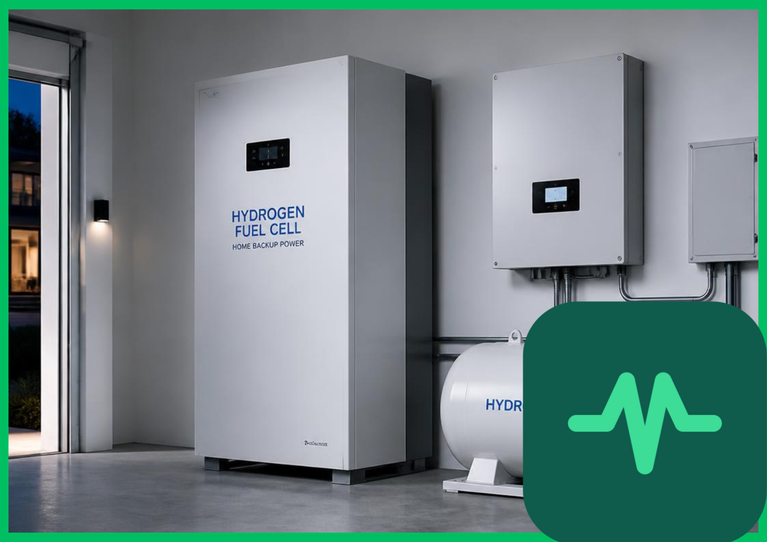
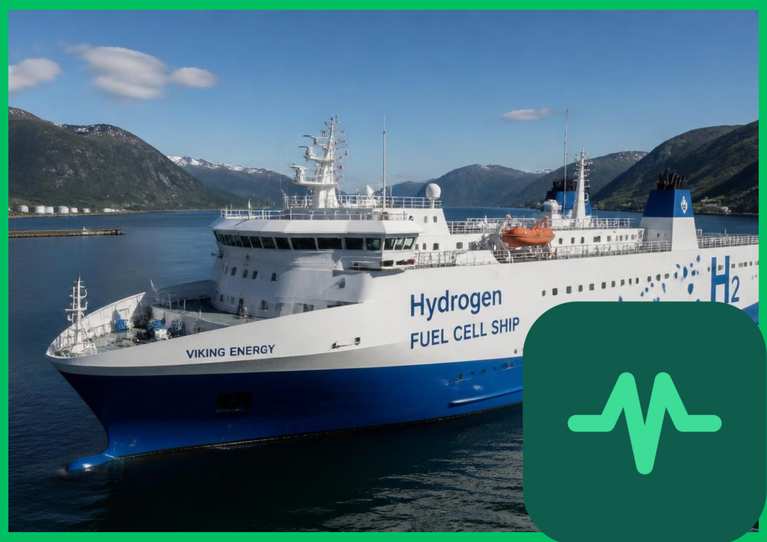
It's worth noting hydrogen holds real promise in areas beyond passenger cars. Heavy trucks, buses, and long-haul freight may benefit more from hydrogen's fast refueling and higher energy density than from massive, heavy batteries.
So while hydrogen cars vs. electric cars feels like a clear win for EVs today in the passenger car space, hydrogen's real future may lie elsewhere entirely, in trucking and heavy transportation.
Common Questions About Hydrogen Cars vs. Electric Cars
Which is cheaper to fuel, a hydrogen car or an electric car?
Electric cars are significantly cheaper to "fuel," especially when charged at home overnight using standard electricity rates.
Why aren't hydrogen cars more common in America?
The refueling infrastructure is extremely limited outside a few specific regions, making hydrogen cars impractical for most drivers nationwide right now.
Is a hydrogen car actually electric?
Yes, in a real sense. Both hydrogen and battery electric cars use electric motors. Hydrogen cars just generate their electricity on board, rather than storing it in a battery beforehand.
Do hydrogen cars produce zero emissions while driving?
Yes, at the tailpipe. The only byproduct is water vapor. The cleanliness of the hydrogen production process itself, though, varies quite a bit.
Final Thoughts
Hydrogen cars vs. electric cars isn't really a fair fight in America today, at least not for everyday passenger vehicles. EVs win on cost, convenience, and available infrastructure by a wide margin.
Hydrogen still deserves genuine respect, though, especially for its potential in heavy trucking down the road. For now, if you're shopping for your next car, an EV is almost certainly the more practical, more affordable choice sitting in front of you.

Comments (0)
Login to leave a comment.
No comments yet. Be the first to share your thoughts!