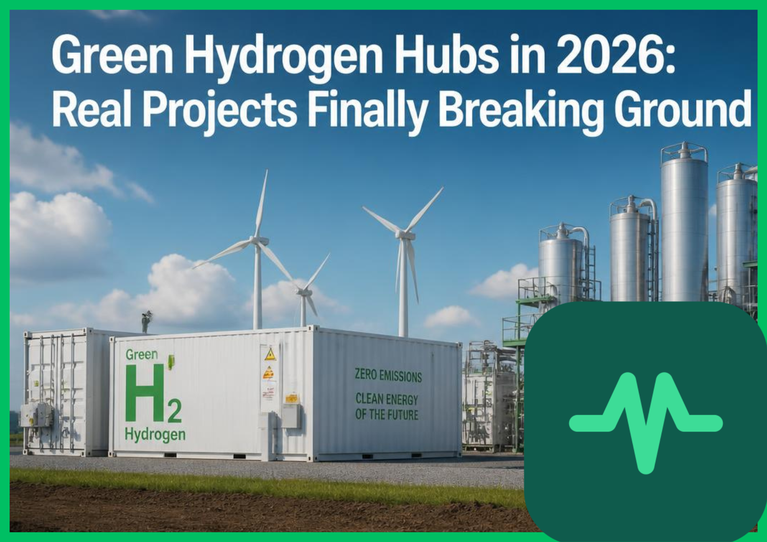
Let's talk honestly about what's actually changed, and why it genuinely matters now.
Why Green Hydrogen Felt Stuck for So Long
Green hydrogen genuinely requires significant infrastructure, production facilities, storage systems, and eventually, distribution networks. Building all of this takes real time and real money, and for years, plans genuinely outpaced actual construction.
This gap between promise and progress genuinely frustrated supporters who believed in the technology's potential but grew tired of waiting for real results.
What's Genuinely Different in 2026
Several designated green hydrogen hubs that existed mostly on paper a couple of years ago have now genuinely moved into real, active construction. Cranes are up. Foundations are poured. This is genuinely no longer just planning documents and press releases.
This shift from announcement to actual groundbreaking marks a genuinely important turning point for the entire industry.
Why This Genuinely Matters for Hard-to-Clean Industries
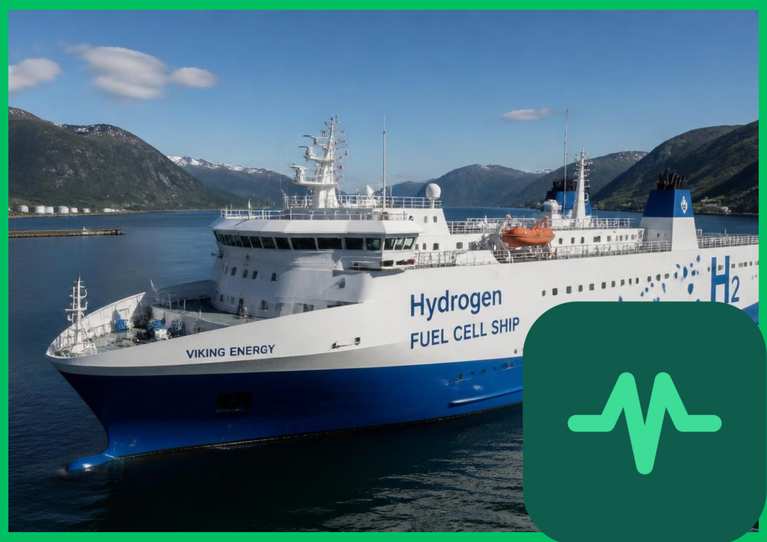
Green hydrogen genuinely offers a real path forward for industries that batteries simply can't serve well, steel production, heavy shipping, and long-haul trucking among them. These sectors need concentrated, portable energy that hydrogen genuinely provides.
As hubs genuinely come online in 2026, these industries finally have real, local access to clean hydrogen rather than theoretical future promises.
Why Jobs Are Part of This Genuine Story
Building out these hubs creates real construction and engineering jobs right now, not someday. Communities near these projects genuinely see immediate economic benefit, alongside the longer-term promise of a genuinely cleaner industrial future.
The Honest Cost Challenge That Genuinely Remains
Let's be fair about real hurdles still facing this industry. Green hydrogen genuinely costs more to produce than hydrogen made from natural gas. Until that gap closes further, widespread adoption remains genuinely gradual rather than explosive.
Why Costs Are Genuinely Expected to Keep Falling
As these hubs scale up production, costs have genuinely started declining, following the familiar pattern seen with solar and battery technology in earlier years. This trend offers real, genuine reason for optimism about hydrogen's longer-term affordability.
Why This Feels Like Genuine, Hard-Won Progress
There's something genuinely satisfying about watching years of promises finally translate into real, physical construction. For an industry that's faced genuine skepticism about ever delivering, 2026's visible progress offers real, tangible hope.
What Comes Next for These Projects
Expect continued, steady construction through the rest of this year and into the next, with the first hubs genuinely beginning limited production before broader industries can fully rely on them.
Common Questions
Why did green hydrogen take so long to genuinely progress?
Building the necessary infrastructure requires real time and investment, and early years focused more on planning than construction.
What industries genuinely benefit most from green hydrogen?
Steel, shipping, and long-haul trucking, industries genuinely difficult to electrify directly with batteries alone.
Is green hydrogen genuinely getting cheaper?
Yes, as production scales up through these new hubs, costs have genuinely started falling.
Final Thoughts
Green hydrogen hubs in 2026 represent a genuine shift from promise to progress. After years of waiting, watching real construction finally begin offers genuine, well-earned hope for this technology's future.
Comments (0)
Login to leave a comment.
No comments yet. Be the first to share your thoughts!