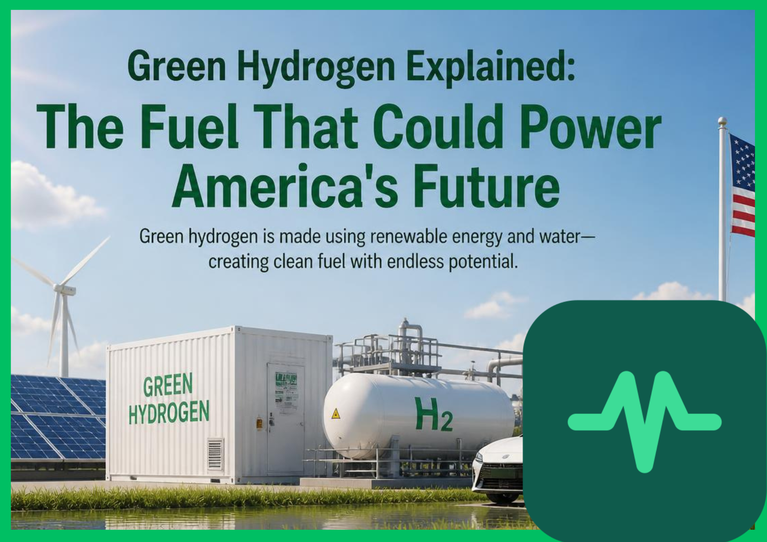
Hydrogen sounds simple. It's the most common element in the universe, after all. So why does "green hydrogen" get talked about like it's some rare, futuristic breakthrough?
Because how you make hydrogen matters enormously, more than most people realize. Let's break down what green hydrogen actually is, and why it might matter to your future.
Hydrogen Isn't Naturally "Clean" or "Dirty"
Here's something that surprises a lot of people. Hydrogen itself isn't inherently clean or dirty. It all comes down to how it gets produced in the first place.
Most hydrogen made today comes from natural gas, through a process that releases real carbon emissions. This is sometimes called "gray hydrogen," and honestly, it's not much better for the climate than burning fossil fuels directly.
Green hydrogen works completely differently. It gets produced using renewable electricity, solar or wind power, to split water into hydrogen and oxygen. No fossil fuels involved at all in the process itself.
Why the "Color" Labels Actually Matter
The energy industry uses these color labels, gray, blue, green, to describe how hydrogen gets made. It sounds a little silly at first, honestly, but it genuinely matters.
Green hydrogen is the only version that's truly clean from start to finish. If you hear a company talking about "hydrogen" without specifying the color, it's worth asking which kind they actually mean. The difference matters enormously for the environment.
How Green Hydrogen Actually Gets Made
The process itself is genuinely elegant once you understand it. Renewable electricity powers a device called an electrolyzer. This machine splits water molecules into hydrogen and oxygen using an electric current.
The hydrogen gets captured and stored. The oxygen typically just gets released into the air, harmlessly. No carbon emissions happen anywhere in this entire process, as long as the electricity powering it comes from genuinely renewable sources.
Why This Fuel Feels So Genuinely Promising
Green hydrogen offers something genuinely valuable that batteries can't always match. It stores enormous amounts of energy in a relatively small space, and it can be produced, stored, and used later, whenever it's needed.
This matters for industries that are genuinely hard to electrify directly. Steel production. Heavy shipping. Aviation. Long-haul trucking. These industries need serious, concentrated energy that current battery technology struggles to provide efficiently.
Where Green Hydrogen Is Already Being Used
This isn't purely theoretical anymore. Green hydrogen projects are already running across the country, and the number keeps growing.
Some American manufacturers are using it to power industrial processes that traditionally relied on fossil fuels. Certain trucking companies are testing hydrogen fuel cell trucks for long-haul routes. Several states are investing heavily in hydrogen production facilities, betting on this fuel's future.
The Honest Challenges Facing Green Hydrogen
Let's be real about the obstacles here, because they're genuinely significant right now.
Cost is the biggest one. Green hydrogen currently costs considerably more to produce than gray hydrogen made from natural gas. Until that gap closes, widespread adoption remains genuinely difficult.
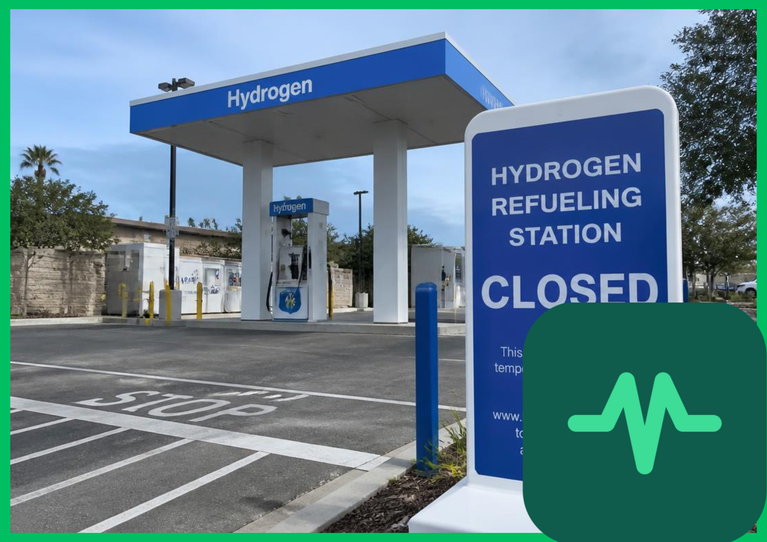
Infrastructure is another real problem. We don't have much of a distribution network built out for hydrogen yet, no widespread pipelines or refueling stations comparable to what exists for gasoline or even electricity.
Efficiency is worth mentioning too. The process of making green hydrogen, then storing it, then converting it back into usable energy, loses some energy at each step. Direct electricity use, through batteries, is often more efficient overall.
Why This Feels Genuinely Hopeful Anyway
Despite these real challenges, there's something genuinely exciting about green hydrogen's potential. It offers a real path forward for industries that batteries simply can't serve well right now.
This isn't about replacing every clean energy technology with hydrogen. It's about filling in the gaps that other technologies leave behind, tackling the hardest parts of the emissions puzzle that solar panels and batteries alone can't solve.
What This Means for American Jobs
Building out a green hydrogen industry means building real infrastructure, production facilities, storage systems, and eventually, distribution networks.
That translates into genuine jobs across engineering, construction, and skilled trades. Several American regions are actively positioning themselves as hydrogen hubs, betting on real employment growth tied to this emerging industry.
Government Support Is Accelerating This
American policy has started backing green hydrogen production more seriously through tax credits and direct funding. This kind of support matters enormously for bridging the current cost gap between green hydrogen and its dirtier alternatives.
Without this backing, green hydrogen would likely stay a niche, expensive technology for years longer than necessary.
Common Questions About Green Hydrogen
What makes hydrogen "green" specifically?
It refers to hydrogen produced using renewable electricity, like solar or wind, rather than fossil fuels like natural gas.
Is green hydrogen the same as regular hydrogen fuel?
Not exactly. Most hydrogen fuel used today is produced from natural gas, which carries real carbon emissions. Green hydrogen is the clean version specifically.
Why is green hydrogen more expensive than other types?
The production process, using renewable electricity to split water, currently costs more than extracting hydrogen from natural gas.
Will green hydrogen replace electric batteries?
No, not likely. It's better suited to different applications, like heavy industry and long-haul transportation, rather than competing directly with batteries in passenger cars.
Final Thoughts
Green hydrogen isn't a flashy consumer product you'll buy at a store anytime soon. It's quieter, more industrial, working behind the scenes in factories, ports, and eventually, on highways carrying freight trucks.
Still, its potential feels genuinely significant. As costs keep falling and infrastructure keeps growing, green hydrogen could become one of the quiet, essential pieces powering America's cleaner industrial future.
Comments (0)
Login to leave a comment.
No comments yet. Be the first to share your thoughts!