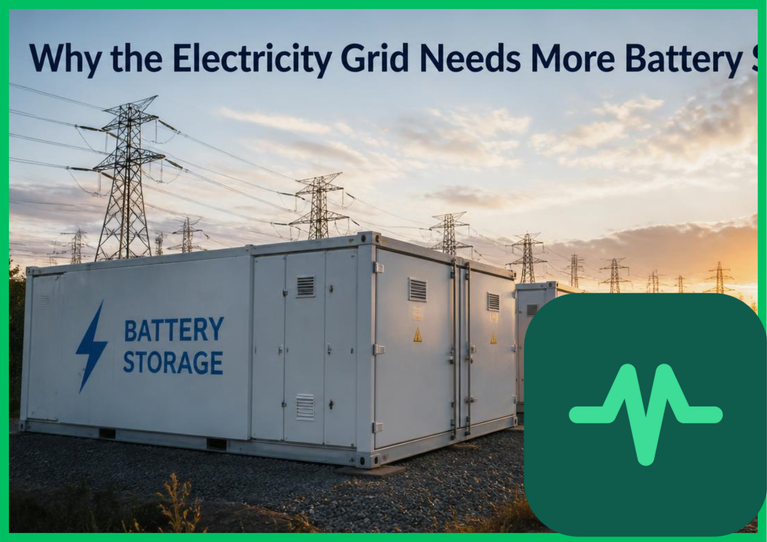
Solar and wind power are changing electricity systems fast. They can produce large amounts of clean electricity. Production, though, doesn't always match demand.
Solar power is strongest during daylight. Households, meanwhile, often use significant electricity after sunset. Wind production shifts too, depending entirely on the weather. This mismatch creates a genuine need for flexibility. That's exactly where battery storage becomes important.
What Does Battery Storage Do?
A battery stores electricity, plain and simple. When supply is high, it charges. When demand increases, it discharges.
That sounds genuinely simple on the surface. The effect on the broader electricity system, though, can be significant, quietly reshaping how the whole grid operates behind the scenes.
Solar and Batteries
Solar panels and batteries work well together, and the logic here is easy to follow. During the day, solar panels generate electricity. Some gets used immediately by the household. Extra electricity charges a battery instead of going to waste.
Later, that stored energy gets used when it's actually needed, often in the evening. This genuinely increases the value of solar generation for many households, letting them use their own clean power around the clock, not just during sunny hours.
Grid-Scale Batteries
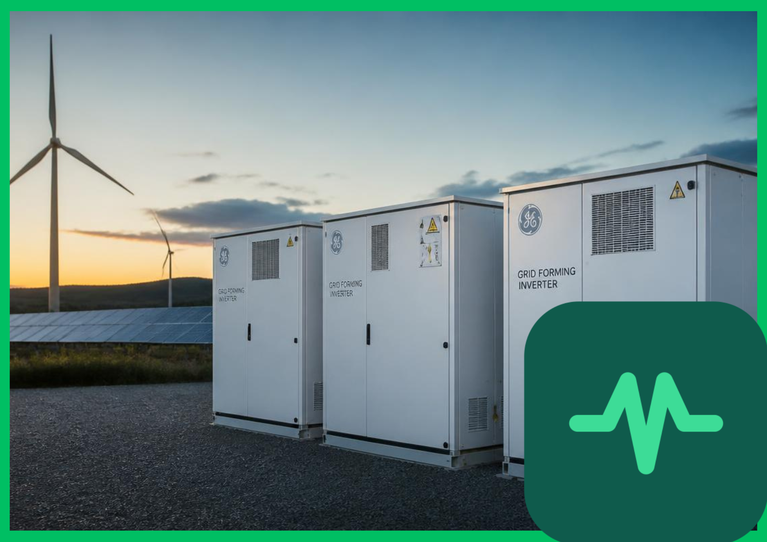
Large batteries can also connect directly to electricity networks, not just individual homes. These systems provide real services to the broader grid.
They respond quickly to changes in electricity supply and demand. This helps grid operators manage the system smoothly, especially during sudden shifts that older infrastructure would struggle to handle on its own.
Why Speed Matters
Batteries respond genuinely fast, faster than most traditional power sources can react. That speed makes them especially useful for certain grid services.
They help balance short-term changes in supply and demand almost instantly. It's worth noting, though, that batteries aren't suited for every energy problem. Speed is their strength, not a universal fix for everything the grid needs.
Batteries Are Not the Whole Solution
Here's a common misunderstanding worth clearing up. Some people assume batteries could eventually replace the electricity grid entirely. They can't.
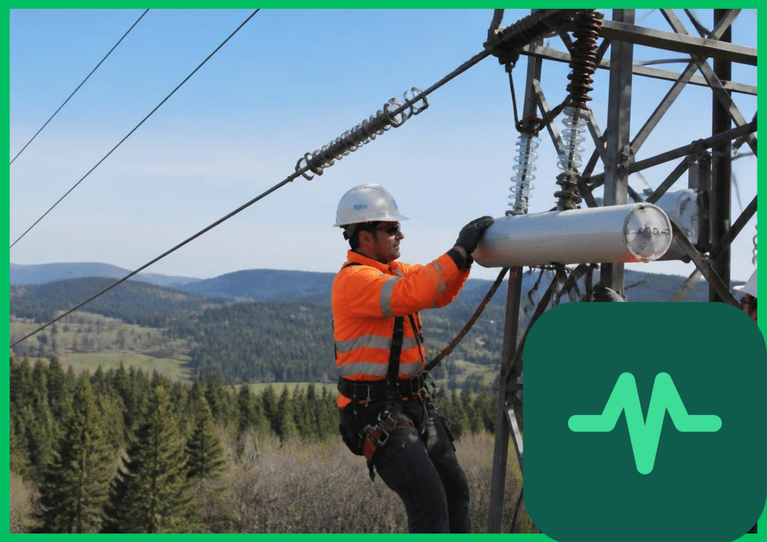
Transmission lines are still needed to move power long distances. Distribution networks are still needed to deliver it locally. Power generation itself is still needed, batteries store energy, they don't create it. Planning and maintenance remain essential too. Battery storage is genuinely one important part of a much larger system, not a replacement for it.
Batteries and EVs
Electric vehicles contain large batteries of their own. As EV adoption keeps growing, the number of batteries connected to the electricity system will grow right alongside it.
In some markets, emerging technology may eventually let EVs provide electricity services back to homes or the grid. This depends heavily on vehicle technology, compatible chargers, local regulations, and genuine consumer participation, so it's not universally available yet.
Home Energy Storage
Home batteries are becoming more visible in certain markets, showing up in more driveways and garages each year. They can store electricity generated by rooftop solar panels directly.
They can also provide backup power, in systems specifically designed for that purpose. Before buying one, though, consider installation costs carefully alongside your expected savings, since the math varies quite a bit by household.
Battery Technology Is Improving
Battery technology keeps developing steadily. Manufacturers are actively working on energy density, cost, durability, and safety, all at once.
Different battery chemistries also carry different characteristics suited to different uses. Don't assume one battery technology is automatically best for every application, the right choice depends on the specific job it needs to do.
Battery Recycling
More batteries in circulation also creates a real future recycling challenge worth planning for now. When batteries reach the end of their useful life, valuable materials inside them can often be recovered.
Recycling reduces waste directly. It also helps recover materials needed for future battery production, easing pressure on new mining and extraction over time.
Critical Minerals
Battery production depends on a range of minerals and materials sourced from around the world. The supply chains for these materials are becoming increasingly important to understand and protect.
Governments and companies are actively looking at recycling, alternative materials, and more diversified supply chains as a result, trying to reduce dependence on any single source or region.
Battery Storage and Energy Security
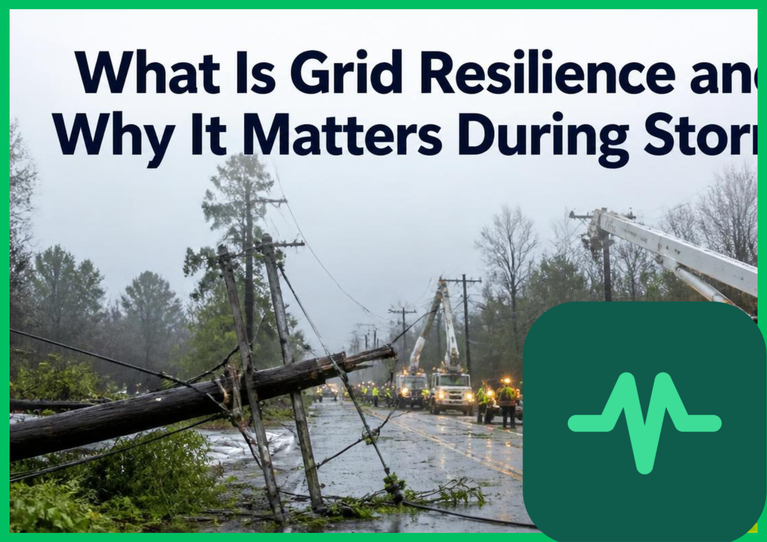
Energy storage also contributes to genuine energy security. A system with more flexibility can better manage sudden changes in supply, whether from weather, demand spikes, or unexpected outages.
Energy security still requires more than batteries alone, though. It requires diverse generation sources, strong grids, and genuinely reliable infrastructure working together as one system.
What This Means for Consumers
Consumers are likely to see more battery products in daily life going forward. Home batteries could become increasingly common in ordinary neighborhoods. EV batteries could become a genuine part of broader energy systems too.
Grid-scale storage will keep supporting renewable electricity behind the scenes. Together, these technologies could meaningfully change how electricity gets produced and consumed across the country.
EcoGreenPulse View
Battery storage is becoming one of the most important technologies in the clean-energy transition, quietly working behind the scenes of the whole system. Solar panels produce electricity. Wind turbines produce electricity too.
Storage, though, helps determine exactly when that electricity actually becomes available for use. That makes batteries a genuinely important bridge between renewable generation and real consumer demand, connecting the two in a way neither could achieve alone.
Conclusion
The future electricity system will genuinely need flexibility to function well. Battery storage can provide a real part of that flexibility. It supports solar power directly. It supports the broader grid too. It helps manage EV charging smoothly.
It can also give many households greater control over their own electricity use, and when they use it. Batteries still need to work alongside strong grids and diverse energy sources, though, not replace them.
The clean-energy future won't depend on any single technology working alone. It will depend on how several technologies work together, batteries included, as one connected, resilient system.
Sources: International Energy Agency resources on energy storage, electricity grids, and renewable energy.
Comments (0)
Login to leave a comment.
No comments yet. Be the first to share your thoughts!