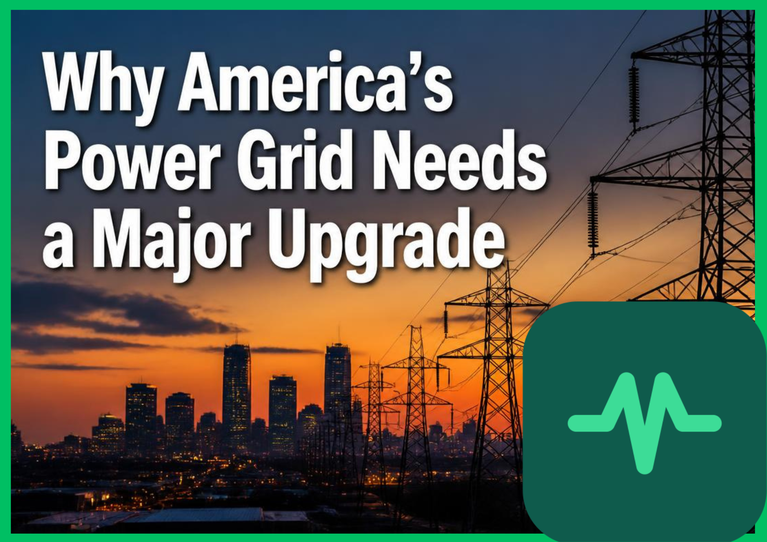
You've probably noticed it. More frequent outages. Warnings about grid strain during heat waves. Something about America's power grid feels genuinely shakier than it used to.
That feeling isn't imaginary. Let's talk honestly about why this is happening, and what it actually means for your daily life.
Just How Old Is America's Power Grid, Really?
Here's a number that genuinely surprises most people. Much of America's power grid was built decades ago, in some cases stretching back to the 1960s and 1970s. This infrastructure was never designed for the world we live in today.
Back then, electricity demand was far more predictable. Nobody was charging an electric car overnight. Nobody had rooftop solar panels feeding power back into the system. The grid simply wasn't built with today's genuinely different demands in mind.
Why This Aging Infrastructure Matters So Much Now
An aging grid isn't just an inconvenience. It's a genuine vulnerability. Old equipment fails more often, especially under real stress, like extreme heat or severe storms.
This is exactly why we've seen more headline-grabbing blackout events in recent years, not because electricity demand has exploded overnight, but because the aging infrastructure struggles more than it used to under genuinely normal, predictable stress.
How Renewable Energy Is Actually Straining the Old System
Here's something worth understanding honestly. Solar and wind power, while genuinely clean, create real new challenges for an old-fashioned grid built around steady, predictable power plants.
Solar power surges during sunny midday hours, then drops off completely at night. Wind power varies with, well, the wind. The old grid was built assuming steady, predictable power flow. Managing this new variability requires genuinely smarter, more flexible infrastructure than what currently exists in most places.
Electric Vehicles Are Adding Real New Pressure Too
Every EV charging overnight adds real new demand to a grid that wasn't originally designed with this in mind. As EV adoption keeps climbing across America, this pressure will only keep growing right alongside it.
This isn't a reason to avoid buying an EV, to be clear. It's a genuine reminder that grid modernization needs to keep pace with this broader shift toward electrification happening across American life.
Why Extreme Weather Exposes These Weaknesses So Clearly
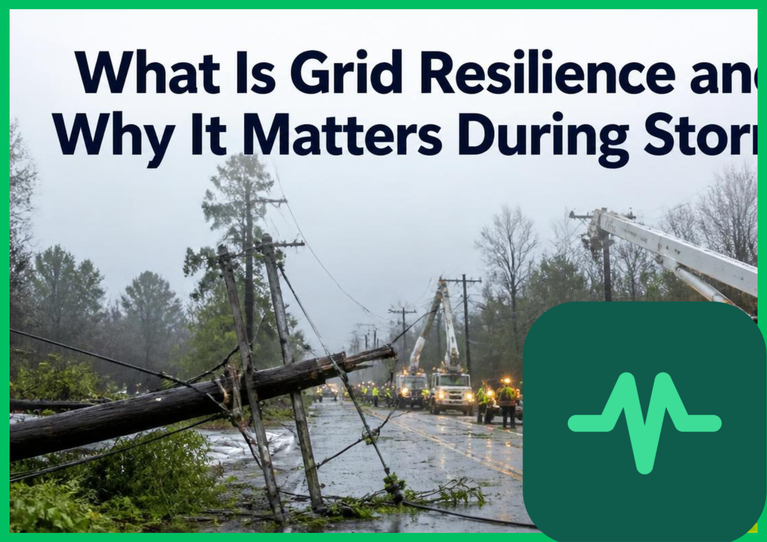
Severe storms and extreme heat genuinely reveal how fragile parts of America's power grid have become. Texas's brutal winter storm crisis a few years back exposed real vulnerabilities most residents never knew existed until the lights went out.
As climate change brings more frequent extreme weather events, this vulnerability becomes an increasingly urgent problem, not just an occasional inconvenience we can shrug off.
What "Grid Modernization" Actually Means
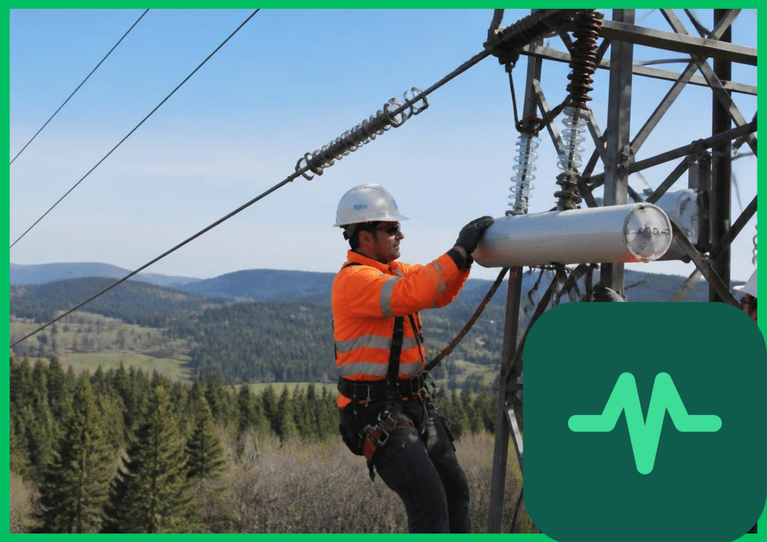
This isn't just about replacing old wires with identical new ones. Real grid modernization involves genuinely smarter technology, sensors that detect problems instantly, software that reroutes power automatically during outages, and stronger physical infrastructure built to withstand extreme weather.
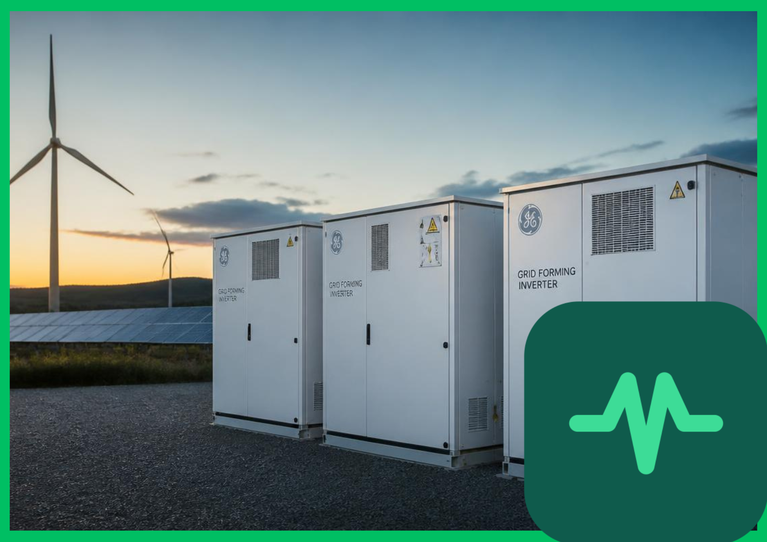
It also means building a grid genuinely flexible enough to handle solar, wind, and battery storage smoothly, rather than treating these newer technologies as awkward add-ons to an old, rigid system.
The Real Cost of Not Upgrading
Let's be honest about the stakes here. Every major blackout carries genuine economic cost, businesses losing revenue, spoiled food in refrigerators, and in the most extreme cases, genuine risk to human life during severe heat or cold.
Upgrading the grid isn't cheap either, to be fair. But the honest comparison isn't between "expensive upgrade" and "free status quo." It's between investing now, or paying repeatedly for increasingly frequent, increasingly costly failures down the road.
Who's Actually Responsible for Fixing This
Grid infrastructure ownership varies significantly across the country. Some utilities are investor-owned companies. Others are public or cooperative utilities owned by the communities they serve.
This creates genuine complexity in coordinating nationwide upgrades. Federal funding has started flowing toward grid modernization projects, but the pace and priority genuinely varies significantly by state and utility, similar to the charging infrastructure story.
What You Can Actually Do as a Consumer
You personally can't rebuild the power grid, obviously. There are genuine things worth understanding and doing, though.
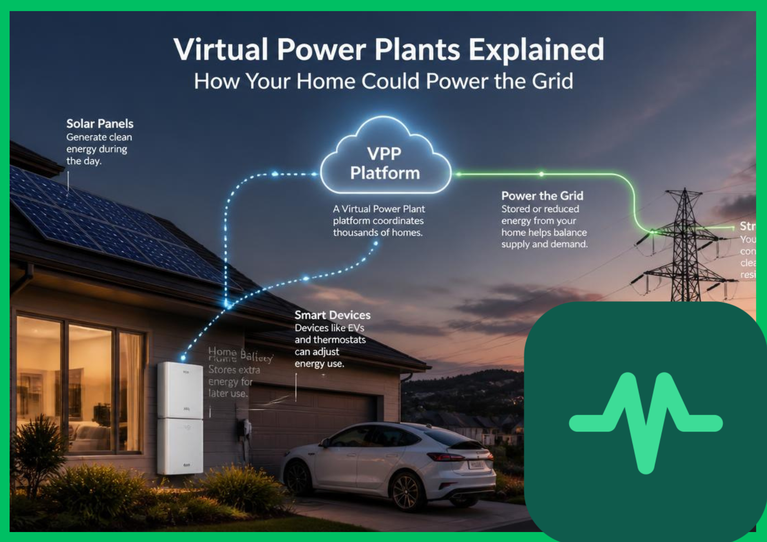
Support for grid modernization funding, at the state and federal level, genuinely matters and shows up in elections and public comment periods. If you have solar panels or a home battery, participating in virtual power plant programs, like we discussed earlier, genuinely helps ease pressure on the existing grid too.
Why This Story Feels Genuinely Hopeful Despite the Problems
Here's something worth holding onto amid the real, honest challenges. Grid modernization is actively happening right now, not just being discussed theoretically. Real investment is flowing in, and real progress is genuinely being made in many regions.
This isn't a hopeless situation. It's a genuine, solvable infrastructure challenge, one that America has faced and overcome before with previous generations of infrastructure. It just requires sustained attention and real investment to get done.
Common Questions About America's Power Grid
Why does America's power grid feel less reliable lately?
Much of the infrastructure is decades old, and it's facing new pressures from extreme weather, renewable energy integration, and rising electricity demand.
Is upgrading the grid actually happening right now?
Yes, though the pace varies significantly by state and utility. Real federal and state investment is flowing toward modernization projects.
Does adding solar and EVs make the grid problem worse?
They create new challenges requiring smarter infrastructure, but they're not inherently bad for the grid, they just require genuine modernization to integrate smoothly.
Can individual homeowners help ease grid pressure?
Yes, particularly through participation in virtual power plant programs if you have solar panels or a home battery system.
Final Thoughts
America's power grid genuinely needs serious attention, and honestly, it's getting it, even if progress feels slower than the urgency might suggest. This isn't a crisis to panic over, but it's a genuine challenge worth understanding.
The grid built decades ago simply wasn't designed for today's world, solar panels, EVs, and increasingly extreme weather all at once. Modernizing it is real, necessary work, and it's happening, even if there's genuinely more left to do.
Comments (0)
Login to leave a comment.
No comments yet. Be the first to share your thoughts!