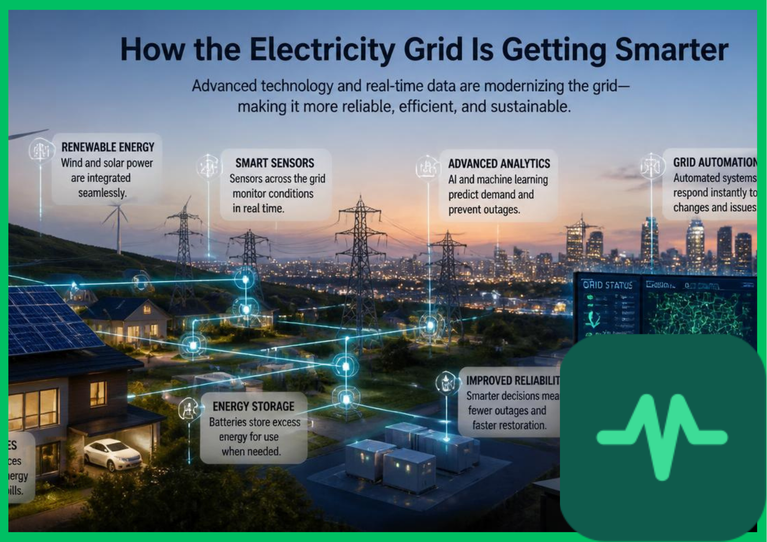
For decades, electricity systems followed a relatively simple model. Large power plants generated electricity. Transmission networks moved it across long distances. Distribution networks delivered it straight to homes and businesses.
Consumers mostly used electricity without knowing much about what happened behind the scenes. That simple model is changing fast now.
Solar panels are spreading across rooftops. Wind farms keep growing. Electric vehicles are becoming genuinely common. Home batteries are showing up in more houses every year. Because of all this, the electricity system itself needs to become far more flexible than it used to be.
This is exactly where smart grid technology comes in.
What Is a Smart Grid?
A smart grid uses digital technology to better monitor and manage electricity networks in real time. Sensors collect information continuously. Software analyzes that data automatically. Utilities can respond to changes far more quickly than they ever could before.
The overall goal is a more flexible, more reliable electricity system, one that can actually handle the messier, more variable energy sources of today.
Smart Meters
Smart meters are one clear example of this shift. They provide far more detailed information about electricity consumption than old-style meters ever could.
This helps utilities understand demand patterns across their whole network. It also gives consumers genuinely better insight into their own energy use, information most people never had access to before.
Solar Power Changes the Grid
Solar generation varies throughout the day, by nature. Production climbs when sunlight is strong. It falls again as the sun sets, sometimes quite abruptly.
A grid carrying large amounts of solar power needs real ways to manage these constant swings. Storage helps here. Flexible demand helps too, letting the system adjust rather than break under pressure.
Batteries
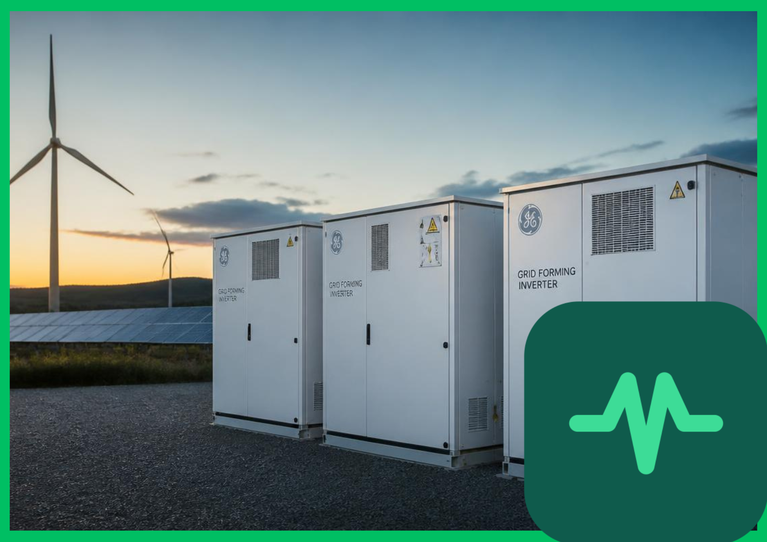
Grid-scale batteries store electricity at scale, then release it exactly when it's needed most. Home batteries add flexibility too, at a smaller, more personal level.
Together, these technologies help balance electricity supply and demand in real time, smoothing out the natural bumps that come with solar and wind.
Electric Vehicles
EVs add another significant piece to this puzzle. Millions of electric cars could create genuinely significant new electricity demand as adoption grows.
Smart charging, though, can help manage that demand intelligently. Instead of every car charging at exactly the same time each evening, charging can get scheduled more thoughtfully across the day. This alone could meaningfully reduce pressure on the grid during peak hours.
Sensors and Automation
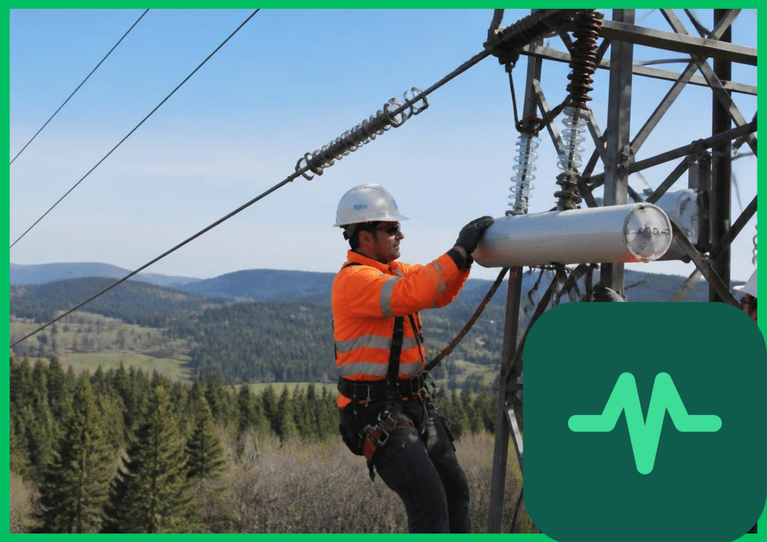
Modern grids increasingly use sensors to detect problems as they happen, not after the fact. This helps utilities identify faults much more quickly than manual inspection ever could.
Automation lets some systems respond instantly too, without waiting for a human to step in manually. That speed genuinely improves overall grid management, especially during sudden disruptions.
Renewable Energy and Grid Investment
Building renewable generation is only half the transition, and it's easy to forget the other half. Electricity still has to actually get transported from where it's made to where it's needed.
If transmission lines aren't available or sufficient, renewable electricity may never reach consumers efficiently, no matter how much gets generated. Grid investment, in other words, is absolutely essential, not optional, alongside new generation capacity.
What Does This Mean for Consumers?
Consumers stand to see several real benefits from this shift. Smarter systems can provide better reliability overall. Smart meters give you far more detailed information about your own usage. Flexible electricity pricing may encourage shifting some energy use to cheaper hours.
Home batteries add extra flexibility for households that have them. EV owners may benefit from genuinely smarter charging too, one that works with the grid rather than against it.
Smart Grids and Extreme Weather
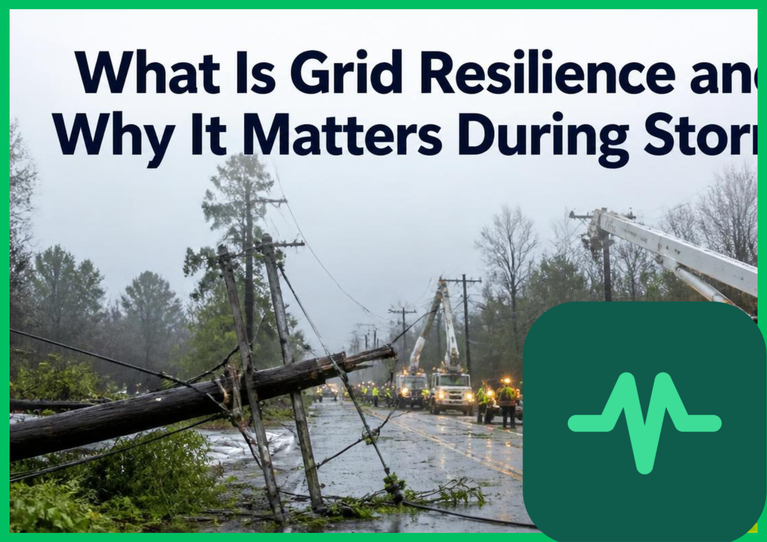
Extreme weather puts real pressure on electricity infrastructure, storms and heat waves alike. Smart systems help utilities monitor their networks closely during these stressful periods.
Digital technology can't prevent every single outage, though, and it's worth being realistic about that. Physical infrastructure still matters enormously. Strong poles, sturdy cables, well-built substations, and reliable transmission networks remain absolutely necessary, no matter how smart the software gets.
Cybersecurity Matters
As electricity networks become more connected, cybersecurity becomes an increasingly important concern, not an afterthought. A modern grid isn't just an electrical system anymore. It's genuinely a digital system too, with all the vulnerabilities that implies.
Utilities need strong security measures built in from the ground up, protecting both the physical grid and the digital layer running on top of it.
The Future Home
The future home could become a genuinely active part of the electricity system, not just a passive consumer at the end of the line. Solar panels may generate electricity right on the roof. Batteries may store it for later use. Smart appliances may adjust their own demand automatically.
An EV could become part of the household energy system too, where the right technology and regulations allow it. This creates a genuinely different relationship between consumers and the grid, one built on participation rather than just consumption.
EcoGreenPulse View
Smart grid technology might sound like a subject reserved for engineers in a control room somewhere. It will increasingly affect ordinary households in real, tangible ways, though.
The way people generate, store, and use electricity is changing quickly. The grid has to change right along with it, or the whole system starts to strain under the pressure.
Conclusion
A smarter electricity grid helps manage a far more complex energy system than we had even a decade ago. Solar power. Wind power. Batteries. EVs. Smart homes. All of these pieces need to work together seamlessly, not in isolation.
The future grid will need both strong physical infrastructure and real digital intelligence working side by side. For consumers, that could mean more control over their own energy use, better information than ever before, and genuinely new ways to manage energy day to day.
Sources: International Energy Agency resources on electricity grids, grid modernization, renewable energy, and energy flexibility.
Comments (0)
Login to leave a comment.
No comments yet. Be the first to share your thoughts!