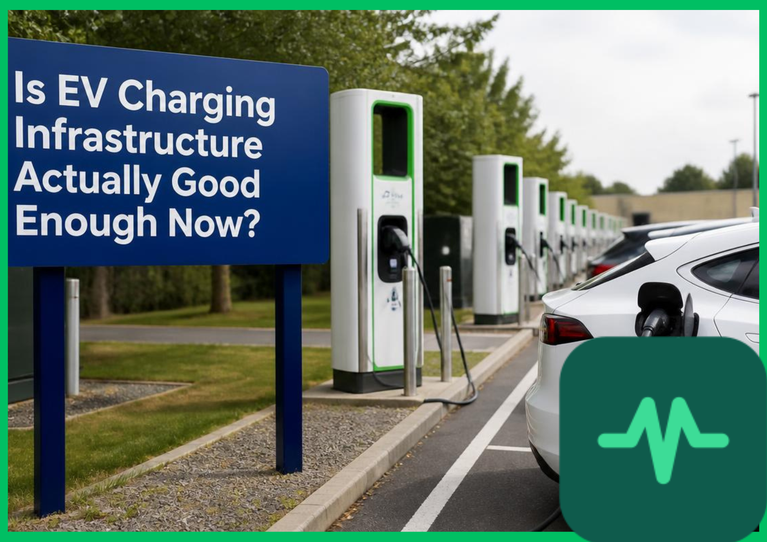
It was a genuinely fair concern. Early charging infrastructure was sparse, unreliable, and concentrated in only a few areas. So where do things actually stand now?
The honest, encouraging progress
Charging infrastructure has expanded considerably in many regions over recent years. Public charging stations have grown substantially, and the growth shows no sign of slowing down anytime soon.
This isn't marketing spin. Genuine, measurable expansion has occurred, driven partly by growing electric vehicle adoption creating real demand, and partly by continued investment specifically targeting this infrastructure gap.
Why this expansion genuinely matters
More charging stations mean less range anxiety, that nagging worry about finding a place to recharge during a longer trip. As stations become more common and more evenly distributed, that worry naturally diminishes for a growing number of drivers.
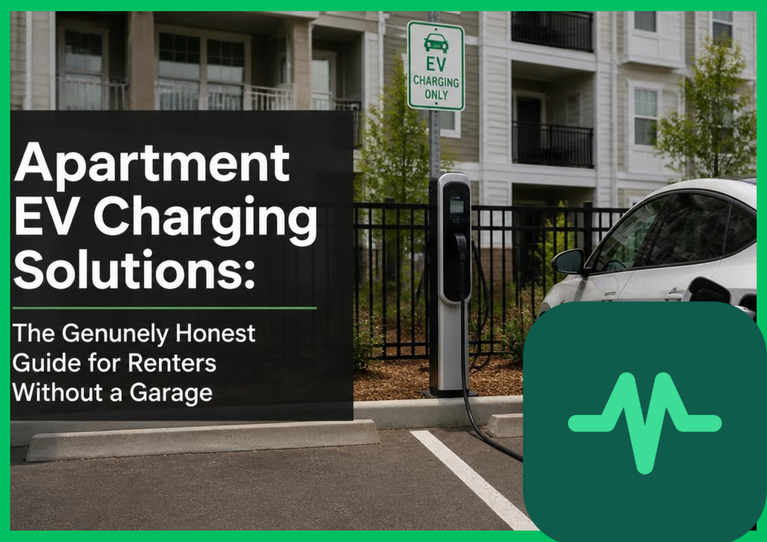
This shift also makes electric vehicles genuinely practical for people who don't have convenient home charging access, expanding who can realistically consider making the switch.
The honest gaps that still exist
Progress hasn't been perfectly even everywhere. Urban areas and major travel routes have generally seen faster infrastructure growth than more rural or remote regions.
This means your personal experience with charging availability genuinely depends on where you live and where you typically travel. Someone in a well-developed urban area may find charging genuinely convenient, while someone in a more remote area may still encounter real, practical gaps.
What "good enough" actually means
Whether current infrastructure counts as "good enough" honestly depends on your specific situation, not a single universal answer. For daily local driving with home charging access, most drivers already have more than enough infrastructure available.
For longer road trips through less developed areas, planning ahead remains genuinely important, checking charging station locations along your route before departing, rather than assuming you'll simply find one whenever needed.
The reliability question worth addressing honestly
Availability alone doesn't tell the whole story. A charging station that exists but frequently doesn't work isn't genuinely useful. Reliability has been a real, honest concern in parts of the charging network, though it's generally improving alongside the overall expansion.
Newer charging stations tend to show better reliability than some older installations, suggesting this concern should continue easing as infrastructure investment continues and technology matures.
How to realistically plan around current infrastructure
Check charging apps and maps specific to your region before assuming coverage. These tools have become considerably more accurate and comprehensive than they were in earlier years.
For regular daily use, prioritize home charging access if at all possible. This removes dependence on public infrastructure for your everyday routine entirely, reserving public charging specifically for longer trips.
For longer journeys, plan your route around known charging locations, treating charging stops similarly to how you'd plan meal or rest stops on a longer traditional road trip.
Why continued investment matters going forward
Current infrastructure represents real, genuine progress, but continued investment remains important as electric vehicle adoption keeps growing. More vehicles on the road will naturally increase demand on existing charging networks.
Encouragingly, this increased demand also tends to justify further infrastructure investment, creating a reasonably positive cycle where growing adoption and growing infrastructure continue supporting each other over time.
What this means if you're considering an electric vehicle
Don't assume charging infrastructure is either perfectly solved or hopelessly inadequate. The honest, realistic picture sits somewhere in between, genuinely quite good in many areas, with real, specific gaps still worth checking for your particular situation.
Research your specific region and typical travel patterns before assuming either extreme. This gives you a genuinely accurate picture, rather than relying on outdated impressions from years ago, or overly optimistic marketing claims from today.
The honest bottom line
EV charging infrastructure has genuinely, substantially improved, addressing what was once the single biggest practical obstacle to electric vehicle adoption. It's not perfectly uniform everywhere, and real gaps remain in certain regions.
But for a growing number of drivers, charging availability has moved from a genuine daily worry to a manageable, planned-around consideration, much like planning fuel stops always was for traditional vehicles. That's genuine, meaningful progress worth recognizing honestly.
Comments (0)
Login to leave a comment.
No comments yet. Be the first to share your thoughts!