Real-Time Pricing Tariffs and Economic Dispatch Mechanics
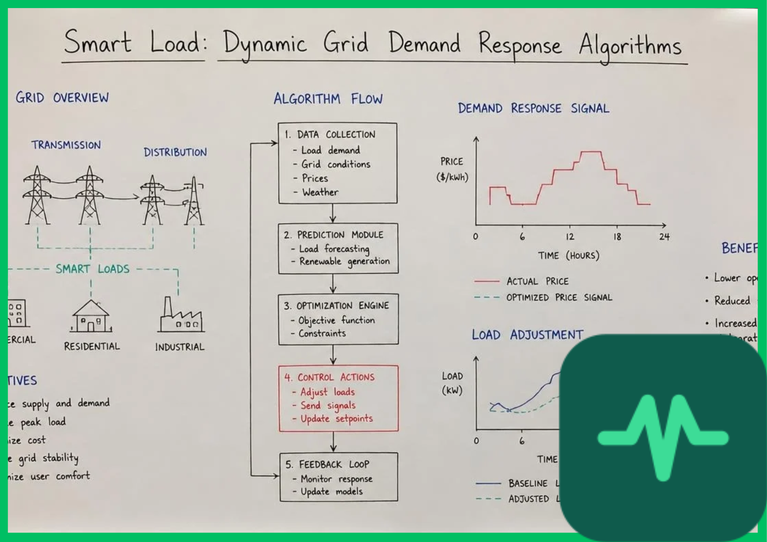
Wholesale electricity markets operate on marginal cost pricing models that fluctuate continuously based on supply-demand imbalances, transmission line thermal limits, and generator startup expenses. Dynamic pricing algorithms translate these wholesale cost signals into retail tariffs communicated directly to smart meters and building management systems (BMS).
When wind generation drops or regional cooling loads surge, algorithmic models elevate marginal prices. Smart loads receive these price vectors via automated Application Programming Interfaces (APIs), initiating pre-programmed power reduction protocols. This price-elastic demand response flattens the daily duck curve, reducing reliance on peaking fossil fuel combustion turbines that emit high greenhouse gases during high-demand intervals. Real-time tariff optimization relies on automated price-response functions where consumer devices execute pre-defined willingness-to-pay parameters, eliminating manual user intervention while reducing aggregate energy expenditure.
Automated Appliance Scheduling and Residential Load Shifting
Residential and commercial loads—including heat pumps, domestic water heaters, commercial refrigeration, and electric vehicle charging stations—possess inherent thermal or temporal flexibility. Automated appliance scheduling algorithms model the thermal capacitance of buildings and appliance operating constraints to optimize energy consumption timing without degrading service quality.
Commercial building management systems pre-cool indoor thermal mass during off-peak hours when wind generation is high and electricity prices are low. When peak cooling demand hits midday, HVAC compressors cycle down or operate at minimum capacity, utilizing stored building thermal mass to maintain indoor temperatures between  and
 (
 to
 ) without drawing high grid power. Similarly, electric vehicle smart charging algorithms delay or throttle charging currents, ensuring vehicles complete charging cycles before user departure times while avoiding local transformer thermal overload.
Peak Load Shaving Physics and Frequency Regulation
Electrical grids operate under a strict supply-demand equilibrium maintaining a nominal frequency of  or
 . Sudden load spikes cause system frequency drops, triggering emergency reserve deployment. Automated demand response algorithms provide rapid frequency containment reserves (FCR) by shedding non-critical industrial loads or modulating electric vehicle charging power within milliseconds.
Peak load shaving physics analyze historical load duration curves to identify top-tier peak hours. By shedding or shifting consumption blocks exceeding designated power thresholds (measured in kilowatts [ ] or megawatts [
 ]), demand response protocols flatten peak demand profiles. This reduction directly lowers capital expenditures associated with peaking plant construction and reduces network distribution losses across municipal distribution lines.
Technical Data Specifications of Demand Response Parameters
| Smart Grid & Algorithm Parameter | Engineering Specification Range |
|---|---|
| Price Signal Update Frequency | 5 minutes to 60 minutes real-time dispatch |
| Automated Load Response Latency | 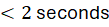 for API signal execution |
| Grid Frequency Regulation Response Time |  to  for FCR activation |
| Peak Load Reduction Efficacy | 15% to 35% peak demand shaving capacity |
| Thermal Mass Pre-Conditioning Window | 2 hours to 6 hours prior to peak interval |
| Electric Vehicle Charging Modulation |  to  dynamic power scaling |
| Total Harmonic Distortion (Smart Meters) |  electrical signal interference |
Machine Learning Optimization and Decentralized Microgrid Control
Modern demand response architectures transition from rigid threshold-based switching toward predictive machine learning models, including recurrent neural networks (RNNs) and deep reinforcement learning. These algorithms forecast local weather patterns, solar generation output, and consumer occupancy schedules 24 to 48 hours in advance, optimizing load scheduling proactively rather than reacting to grid emergencies.
Decentralized peer-to-peer microgrid control utilizes multi-agent systems where individual smart appliances negotiate electricity consumption schedules locally, reducing central server computational bottlenecks. This distributed intelligence ensures resilient grid operation even during regional communication link failures.
Global Smart Grid Integration Realities and Scalability
Quantitative clean-energy assessments published by the IEA and academic smart grid research consortia confirm that deploying flexible demand response dynamic electricity pricing algorithms reduces transmission congestion and defers multi-billion-dollar grid reinforcement investments. As global electrification accelerates, automated demand response establishes an indispensable digital backbone for resilient, low-carbon power distribution networks.



Comments (0)
Login to leave a comment.
No comments yet. Be the first to share your thoughts!