The honest scale of this shift
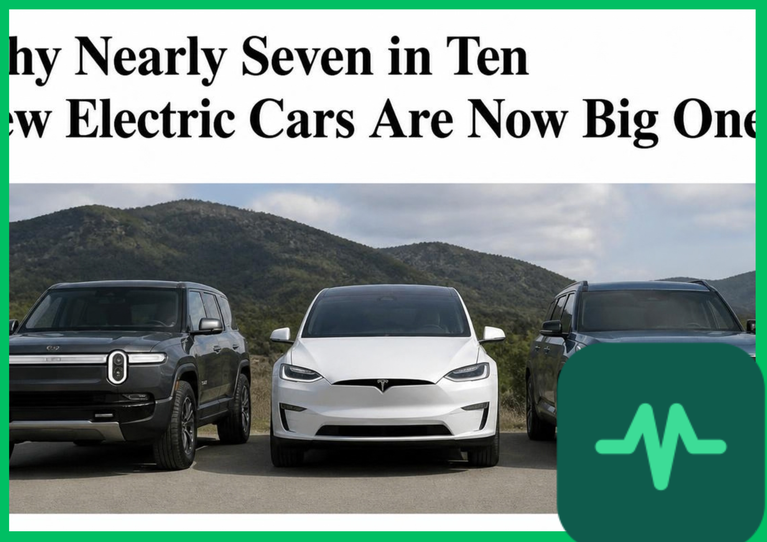
Recent global data confirms that large cars and SUVs account for nearly 70 percent of global electric vehicle sales, a genuinely dominant share that reflects clear, consistent buyer preference rather than any temporary or unusual trend.
This mirrors a similar pattern seen with traditional gas-powered vehicles for years, where larger vehicles have generally outsold smaller, more efficient alternatives in many major markets worldwide.
Why this matters specifically for battery demand
Larger vehicles require larger batteries to achieve comparable driving range, since more vehicle weight and typically larger interior space both increase overall energy needs. This means the dominant SUV and large-car segment drives a meaningfully bigger share of total global battery material demand than smaller vehicles would require for the exact same number of cars sold.
This directly connects to broader conversations about battery material supply constraints, discussed extensively elsewhere, since buyer preference for larger vehicles meaningfully affects just how much raw battery material the whole industry actually needs to produce.
Why buyers keep choosing larger vehicles
Buyer preferences for larger vehicles predate electric cars considerably, reflecting genuine, practical priorities like more interior space, a feeling of safety, and greater cargo capacity for families or active lifestyles. These preferences simply carried over directly as buyers began switching to electric alternatives.
Manufacturers, responding naturally to this existing, strong demand, have built many of their most popular and heavily marketed electric vehicle offerings specifically around larger vehicle bodies, rather than prioritizing smaller, more efficient options instead.
Why this creates a genuine tension worth understanding
A smaller electric vehicle requires meaningfully less battery material to achieve comparable practical range for typical daily use. If more buyers chose smaller vehicles, the same total battery material supply could theoretically support meaningfully more total vehicles overall.
This creates an honest tension between individual buyer preference and broader questions about how efficiently the world's genuinely limited battery material supply gets used across the whole growing electric vehicle market.
Why this connects directly to the plateau in range improvement
Interestingly, this size preference connects to broader discussions elsewhere about range improvements slowing down. Since larger vehicles already carry substantial batteries by simple necessity, buyers of these vehicles often already have more range than smaller vehicle buyers, even without manufacturers specifically prioritizing further range increases.
This means the range plateau discussed elsewhere partly reflects large vehicles already delivering ample range as a natural byproduct of their larger battery size, rather than manufacturers deliberately limiting range improvement specifically for these bigger vehicles.
Why this size preference affects overall industry emissions too
Manufacturing a larger battery requires proportionally more raw material extraction and processing, both of which carry genuine environmental costs before a vehicle is ever driven a single mile. This means the size preference genuinely affects the total embedded emissions across the whole electric vehicle industry, not just each individual vehicle's driving emissions alone.
A large electric SUV replacing an equally large gas SUV still represents genuine, meaningful progress. But comparing that same large SUV against a smaller electric alternative that could have served many buyers' actual needs equally well reveals a more honest, complex picture worth considering.
Why manufacturers haven't pushed back against this preference
From a straightforward business perspective, manufacturers generally earn stronger profit margins on larger vehicles, giving them genuine incentive to prioritize these models rather than actively discouraging a preference that continues driving strong sales and healthy profitability.
This means addressing this broader tension likely requires some shift in buyer preference itself, not simply manufacturers unilaterally deciding to build differently against what buyers currently and consistently demonstrate they actually want to purchase.
Why smaller electric vehicles still matter within this bigger picture
Smaller electric vehicles remain a genuinely practical, resource-efficient option for buyers whose actual needs don't specifically require a larger vehicle's additional space and capability. For many urban commuters and smaller households, a smaller electric vehicle can comfortably meet real, everyday needs while requiring meaningfully less battery material overall.
The continued availability and improvement of these smaller options remains genuinely important, even while representing a smaller overall share of current total sales compared to the dominant larger vehicle segment.
Why this represents a genuinely honest, complex tradeoff
This isn't a simple story of larger vehicles being straightforwardly bad and smaller vehicles being straightforwardly good. It reflects a genuine, honest tension between individual buyer preference and broader, collective questions about efficiently using genuinely limited battery material resources across a rapidly growing global market.
What this means for the pace of the broader electric transition
If more buyers eventually shifted toward smaller vehicles, existing battery material supply could theoretically support faster overall electric vehicle adoption across a larger total number of vehicles. This represents a genuine, honest consideration worth understanding, even without suggesting any specific buyer's individual vehicle choice deserves particular criticism.
The bottom line
Nearly seven in ten new electric cars sold globally are now large vehicles or SUVs, a dominant preference that directly shapes how much battery material the whole industry actually needs to produce to support continued electric vehicle growth worldwide.
This preference reflects genuine, understandable buyer priorities around space and capability, while also creating real, honest tension with broader efficiency questions about how best to use genuinely limited battery material resources across a rapidly expanding global electric vehicle market.



Comments (0)
Login to leave a comment.
No comments yet. Be the first to share your thoughts!