You unlock your electric car, slide behind the steering wheel, and tap the power button.
The dashboard lights up instantly, showing a full battery and ready-to-go range.
You feel a quiet sense of comfort.
You drive away smoothly, knowing your car runs entirely on clean electricity.
Yet if you look beneath the shiny exterior of most modern electric vehicles, you find a hidden tension.
Traditional electric car batteries rely heavily on lithium, cobalt, and nickel.
Mining those rare metals requires tearing open massive open-pit mines, consuming vast quantities of fresh water, and depending on fragile global supply chains controlled by just a handful of nations.
As millions of drivers make the switch to electric cars, the scramble for battery minerals strains our planetary resources.
We cannot build a truly sustainable clean energy future while trapping our transportation transition behind scarce, expensive mining materials.
What if we could power electric vehicles using one of the most common, abundant substances on our planet?
What if common sea salt could replace scarce lithium and expensive cobalt in car batteries?
A quiet, brilliant electrochemistry revolution is transforming laboratories and gigafactories across the globe.
According to global clean transport reports from the International Energy Agency (IEA), resource governance frameworks from the United Nations Environment Programme (UNEP), efficiency benchmarks from ENERGY STAR, and academic battery research, sodium-ion electric vehicle batteries for the future are changing our mobility horizon.
By replacing expensive lithium and cobalt with abundant sodium derived from common salt, we slash production costs, eliminate harmful mining dependencies, and build sustainable electric car storage.
Here is how sodium-ion chemistry works, why cobalt-free batteries change automotive economics, and how the salt of the earth secures our sustainable future.
The Mineral Bottleneck of Traditional Lithium-Ion Cells
To understand why sodium-ion batteries matter so much, you have to look at the fragile supply chain supporting conventional electric vehicle batteries.
For over a decade, standard EV batteries relied almost exclusively on lithium-ion chemistry combined with expensive transition metals like cobalt and nickel.
Cobalt mining carries a devastating human and environmental toll, often tied to hazardous labor conditions and toxic wastewater runoff.
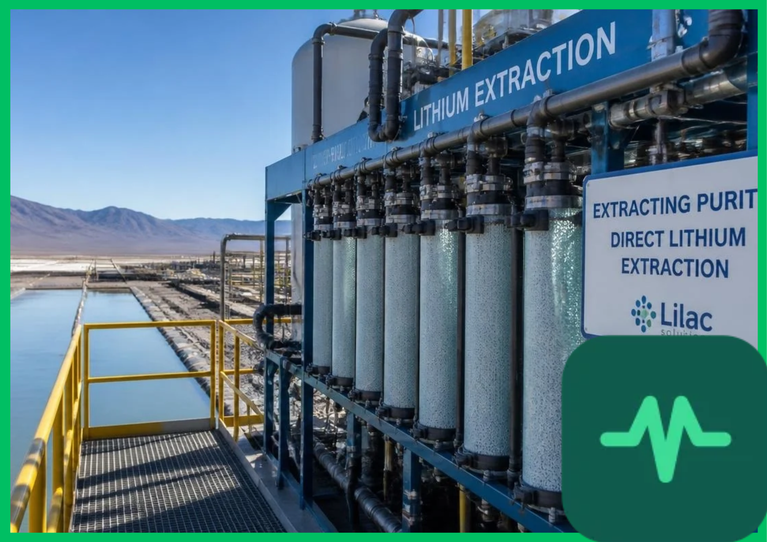
Lithium extraction consumes massive evaporation ponds or chemical processing plants that drain local water tables in arid regions.
As global demand for electric cars accelerates toward millions of vehicles every year, the price of battery raw materials fluctuates wildly.
Skeptics once argued that alternative battery chemistries could never match the energy density and performance of traditional lithium cells.
Electrochemists and materials scientists proved those skeptics wrong.
Nature gave us an abundant, cheap alternative hiding right in plain sight across every ocean and salt flat on Earth.
What Is a Sodium-Ion EV Battery?
A sodium-ion electric vehicle battery is an advanced rechargeable energy storage cell that replaces scarce lithium ions with abundant sodium ions—derived from ordinary sodium chloride or table salt—allowing automakers to manufacture high-performance car batteries without using any lithium, cobalt, or nickel.
Instead of relying on rare earth minerals, the chemistry operates through familiar ionic motion:
- Sodium Anode and Cathode: Sodium ions shuttle back and forth between electrodes during charge and discharge cycles, carrying electrical current efficiently through a liquid electrolyte.
- Abundant Raw Materials: Sodium is the sixth most abundant element on Earth, found cheaply in limitless quantities across global salt reserves and ocean waters.
- Cobalt-Free Design: The cathode structure requires zero cobalt or nickel, completely eliminating the human and environmental costs associated with those heavy metals.
- Extreme Cold Tolerance: Sodium-ion chemistry maintains exceptional discharge efficiency and charging capability even when winter temperatures plunge well below freezing.
You get a robust, affordable battery pack built entirely from earth-friendly materials.
The Science of Ionic Radius and Freezing Performance
How can sodium—an element heavier and larger than lithium—store and transport electrical energy efficiently enough to power an electric car down the highway?
It comes down to crystal lattice engineering and low-temperature electrochemistry.
Academic battery research shows that while sodium ions are physically larger than lithium ions, advanced layered transition-metal oxide cathodes and hard-carbon anodes provide wider atomic pathways for sodium ions to slide through smoothly.
Furthermore, sodium-ion cells possess a remarkable physical superpower: cold-weather resilience.
Traditional lithium-ion batteries struggle in freezing winter conditions, losing up to thirty percent of their driving range because lithium ions move sluggishly through cold electrolytes.
Sodium-ion cells maintain over ninety percent of their capacity and charging speed even in sub-zero winters.
According to ENERGY STAR and international vehicle efficiency evaluations, sodium-ion battery packs reduce manufacturing carbon footprints by up to thirty percent compared to traditional nickel-manganese-cobalt cells, creating an immediate win for planetary health.
Environmental Integrity and Mineral Independence
The environmental benefits of sodium-ion electric vehicle batteries extend far beyond lowering vehicle purchase prices or improving winter driving range.
They provide the ultimate escape hatch from exploitative mining supply chains.
According to UNEP resource governance frameworks, sourcing battery minerals from abundant domestic salt supplies rather than localized foreign mineral deposits grants developing and developed nations true energy independence.
When battery manufacturing no longer depends on scarce geological hotspots, the geopolitical tensions surrounding clean tech supply chains evaporate.
According to IEA clean transport roadmaps, scaling up abundant, cobalt-free sodium-ion battery manufacturing is an absolute pillar to achieve global electric vehicle adoption without destroying pristine ecosystems.
When our cars run on common salt, clean transportation becomes universally accessible to every nation on Earth.
Overcoming Energy Density and Commercialization Realties
Scaling sodium-ion batteries from pioneering laboratory test cells into mass-market automotive assembly lines involves navigating real-world engineering hurdles.
Because sodium ions are heavier and bulkier than lithium ions, first-generation sodium-ion cells offer slightly lower energy density, meaning they store a bit less energy per kilogram of battery weight.
Materials scientists, chemical engineers, and automotive manufacturers are solving this challenge by deploying sodium-ion chemistry in city cars, commuter vehicles, and energy storage systems where ultra-long highway range is less critical, while reserving high-density solid-state or premium cells for long-haul transport.
As gigafactory production scales up worldwide and cell efficiency climbs, sodium-ion batteries are transitioning successfully from university research benches into commercial electric vehicles globally.
Embracing the Salt of the Earth Toward a Sustainable Future
Sodium-ion electric vehicle batteries prove that human science can find elegant, earth-friendly solutions to our most complex industrial challenges.
We no longer have to accept that driving an electric car requires depleting scarce lithium reserves or supporting toxic cobalt mining.
By harnessing the power of common sodium derived from ordinary salt, we build affordable, cold-weather-friendly batteries that free our civilization from mineral scarcity.
We step away from extractive exploitation, embracing a clean, abundant, and enduring standard of electric mobility.
Through brilliant electrochemistry, rigorous academic research, and a deep respect for our natural biosphere, the salt of the earth secures a clean, prosperous, and sustainable future for every traveler on Earth.
Comments (0)
Login to leave a comment.
No comments yet. Be the first to share your thoughts!