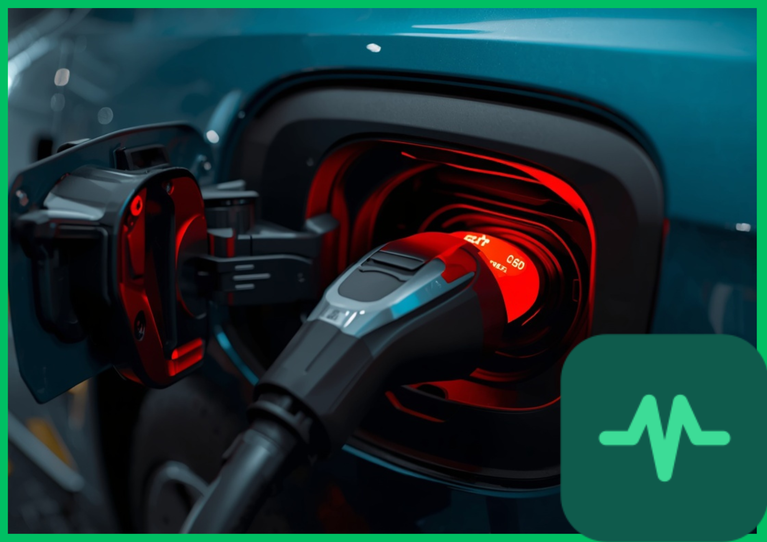
But its story genuinely isn't finished. Here's an honest look at what actually happens next.
Why "retired" doesn't mean "dead"
A battery removed from an electric vehicle usually hasn't lost all its capacity. It's typically retired once its remaining capacity drops below a threshold that's no longer ideal for driving range, often while it still holds a genuinely useful amount of charge capacity.
This distinction matters enormously. A battery that's "done" for driving purposes can still have real, meaningful life left for other uses.
The second life most people never hear about
Many retired EV batteries get a genuine second career, powering stationary energy storage systems instead of vehicles. These systems don't need the same performance demands as driving does, making a battery with reduced capacity still genuinely useful in this new role.
This second-life application is growing steadily, giving batteries years of additional useful service before they're finally, truly done.
What happens once a battery is genuinely finished
When a battery has truly reached the end of its useful life, even for stationary storage, recycling becomes the next honest step. Modern battery recycling processes can recover a genuinely significant portion of the valuable materials inside, materials that would otherwise simply go to waste.
These recovered materials don't just disappear into storage. They get processed and reintroduced into manufacturing new batteries, creating a genuinely circular system rather than a one-way path from raw material to landfill.
Why this recycling process matters so much
The materials inside an EV battery aren't infinite or trivial to obtain. Recovering and reusing them reduces the need for new raw material extraction, which carries its own genuine environmental and resource considerations.
This isn't just an abstract environmental talking point. As electric vehicle adoption continues growing worldwide, the ability to recycle and reuse battery materials becomes genuinely important for the long-term sustainability of the entire industry.
The honest challenges still being worked out
Battery recycling technology has improved considerably, but it's not yet perfectly efficient at recovering every single material inside a battery. Continued research and investment are gradually improving these recovery rates over time.
Collection logistics also remain a genuine, practical challenge. Getting retired batteries from wherever they're removed to appropriate recycling facilities requires organized infrastructure that's still being built out and refined in many regions.
What this means for you as an EV owner
You genuinely don't need to personally manage your vehicle's battery disposal. Manufacturers and specialized recycling companies handle this process, and regulations in many regions increasingly require responsible handling of retired batteries specifically.
That said, it's a genuinely reasonable question to ask when purchasing a vehicle. Understanding a manufacturer's approach to battery end-of-life handling gives you a fuller picture of the vehicle's true lifecycle, beyond just its performance while driving.
Why this full picture matters for the bigger conversation
Critics of electric vehicles sometimes raise valid, honest questions about battery production and disposal. Understanding the genuine second-life and recycling systems already in place provides real, honest context to that conversation, rather than leaving it as an open, unanswered concern.
This doesn't mean every challenge has been perfectly solved. It means real, meaningful progress has been made, and continues to be made, addressing a genuinely important part of the electric vehicle story that doesn't get discussed nearly as often as range or charging speed.
A more complete way to think about EV batteries
It's easy to think of a battery's life as simply beginning at manufacturing and ending at disposal. The more honest, complete picture involves multiple stages, initial vehicle use, potential second-life stationary storage, and eventual material recovery through recycling.
Each stage extracts genuine, additional value before anything is finally, truly finished. That's a meaningfully more sustainable story than a simple, one-way path from factory to landfill.
The honest bottom line
An EV battery's journey doesn't end the moment it's removed from a vehicle. Second-life applications and increasingly sophisticated recycling processes extend its usefulness considerably, while recovering valuable materials for future use.
The system isn't perfect yet, and continued improvement is genuinely still needed. But the honest picture is far more encouraging, and far more thoughtfully managed, than many people realize.


Comments (0)
Login to leave a comment.
No comments yet. Be the first to share your thoughts!