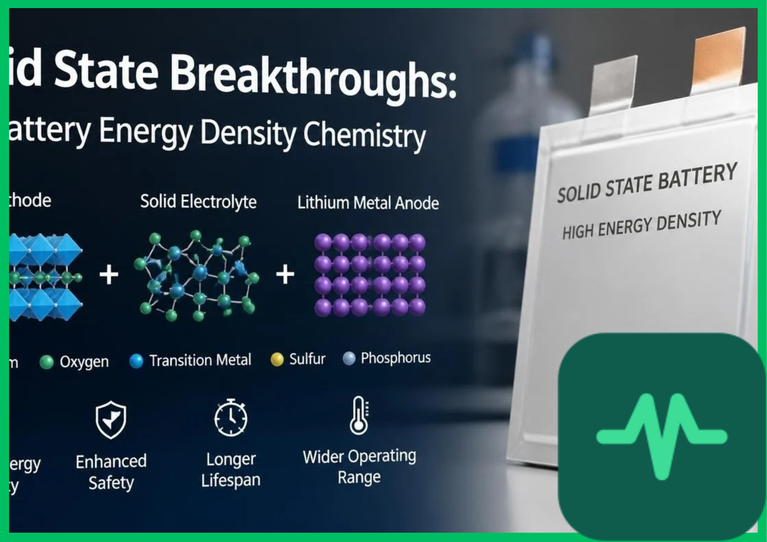
 to
 at the cell level. Solid-state architectures overcome this thermodynamic and structural bottleneck by substituting graphite with pure lithium metal, unlocking gravimetric energy densities exceeding
 to
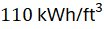
 and volumetric densities surpassing
 (
 ). Engineering these advanced electrochemical energy storage systems requires precise control over lithium metal anode stability, solid electrolyte interface physics, ionic conductivity coefficients, and high-rate charging kinetics.
Lithium Metal Anode Stability and Dendrite Suppression
The primary electrochemical advantage of solid-state battery systems is the integration of a pure lithium metal anode. Standard graphite anodes store lithium ions within an intercalated carbon lattice, consuming active mass and space. A pure lithium metal anode exhibits a theoretical specific capacity of 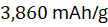 —more than ten times that of conventional graphite (
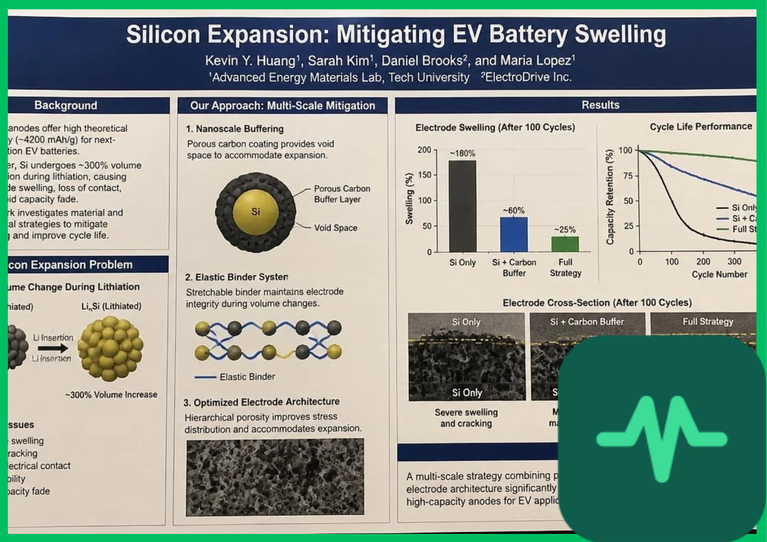
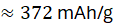 )—and possesses the lowest negative electrochemical redox potential (
 vs. Standard Hydrogen Electrode).
However, cycling lithium metal anodes induces severe degradation challenges, most notably dendritic lithium electrodeposition. During high-rate charging, uneven electric field distributions and localized ionic flux variations across the solid electrolyte interface cause microscopic lithium filaments (dendrites) to nucleate and propagate through the solid electrolyte separator. These conductive metallic filaments ultimately bridge the anode and cathode, causing internal short circuits, thermal runaway, and catastrophic cell failure.
Mitigating dendrite formation requires engineering solid electrolytes with high shear moduli exceeding  to mechanically suppress lithium penetration, alongside applying external stack pressures ranging from
 to
 (
 to
 ) during cell operation. Furthermore, interfacial engineering—such as ultrathin gold, silver, or zinc-philic alloy coatings applied to the current collector—promotes uniform, planar lithium electrodeposition, eliminating localized current hot spots and stabilizing long-term stripping and plating efficiencies.
Solid Electrolyte Interface Physics and Ionic Conductivity
Replacing liquid organic solvents with solid ionic conductors eliminates flammability risks while redefining internal cell transport physics. Solid electrolytes are categorized primarily into three material classes: sulfide-based compounds (such as 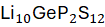 and
 ), oxide-based ceramics (such as garnet-type
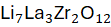 or LLZO), and solid polymer electrolytes (such as polyethylene oxide blended with lithium salts).
Ionic conductivity ( ) within solid electrolytes dictates the internal resistance and rate capability of the battery cell. High-performance sulfide solid electrolytes achieve room-temperature ionic conductivities exceeding
 , rivaling conventional liquid organic electrolytes. Conversely, oxide-based garnets exhibit high chemical stability and wide electrochemical stability windows (
 vs.
 ), preventing parasitic side reactions at high cathode potentials.
The primary technical challenge in solid electrolyte integration is interfacial resistance. Solid-solid point contacts between rigid solid electrolyte separators and active cathode particles yield high contact resistance and sluggish charge transfer kinetics. Applying ultra-thin buffer layers (such as  or
 ) via pulsed laser deposition or sol-gel coating suppresses interfacial space-charge layers, lowering interfacial resistance from thousands of ohm-centimeters down to
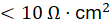 .
Volumetric and Gravimetric Energy Density Metrics
Energy density gains in solid-state cells stem directly from volumetric and gravimetric optimizations across the entire cell stack architecture. Eliminating liquid electrolyte fill volumes, heavy aluminum safety vent cans, and thick porous polymer separators reduces non-active parasitic weight by 20% to 35%.
Volumetric energy density increases significantly because lithium metal anodes are significantly thinner than bulky graphite composite layers. While standard liquid electrolyte cells achieve volumetric energy densities between  and
 (
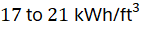 ), optimized solid-state pouch cells attain volumetric densities exceeding
 (
 ). This compact geometry enables vehicle manufacturers to integrate larger energy storage capacities within identical wheelbase packaging volumes, extending electric vehicle operational range beyond
 (
 ) per charge cycle.
Technical Data Specifications of Solid-State Cell Parameters
| Electrochemical Parameter | Solid-State Engineering Specification |
|---|---|
| Gravimetric Energy Density |  to  (  ) |
| Volumetric Energy Density |  to  ( 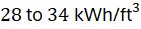 ) |
| Lithium Metal Anode Capacity | 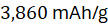 specific capacity |
| Solid Electrolyte Ionic Conductivity |  to  at  (  ) |
| Operational Stack Pressure |  to  (  to  ) |
| Electrochemical Stability Window |  to  vs.  |
Fast Charging Time ( to  ) |  to  high-rate delivery |
Fast Charging Kinetics and Electrochemical Impedance
Fast charging capability in solid-state batteries depends on minimizing bulk ionic resistance and charge transfer overpotentials at high C-rates. In liquid electrolyte cells, high charging currents induce concentration polarization and lithium plating due to slow mass transport through narrow separator pores. Solid-state cells eliminate liquid concentration gradients, allowing exceptionally high-rate lithium-ion transport across the solid electrolyte lattice.
However, high current densities can induce localized temperature spikes and stress concentrations at grain boundaries within ceramic solid electrolytes. Electrochemical impedance spectroscopy (EIS) demonstrates that optimizing grain boundary purity and reducing thickness down to  to
 minimizes total cell resistance. Consequently, advanced solid-state cells achieve high-rate fast charging from 10% to 80% state of charge (SoC) within 10 to 15 minutes without triggering thermal runaway or structural degradation.
Commercialization Pathways and Industrial Scaling
Transitioning solid-state chemistry from laboratory pouch cells to mass-produced automotive traction batteries requires overcoming complex manufacturing challenges. Sulfide solid electrolytes react with ambient moisture to produce toxic hydrogen sulfide ( ) gas, mandating strict dry-room assembly environments with dew points below
 (
 ). Oxide ceramics require high-temperature sintering processes that increase energy consumption and restrict electrode thickness.
Quantitative clean-energy assessments published by the IEA and academic manufacturing consortia indicate that scaled roll-to-roll continuous processing and solvent-free dry film manufacturing lines will reduce production costs over the next decade. By solving interfacial degradation and scaling solid electrolyte production volumes, solid-state EV battery energy density chemistry establishes the definitive technical foundation for next-generation zero-emission transport.


Comments (0)
Login to leave a comment.
No comments yet. Be the first to share your thoughts!