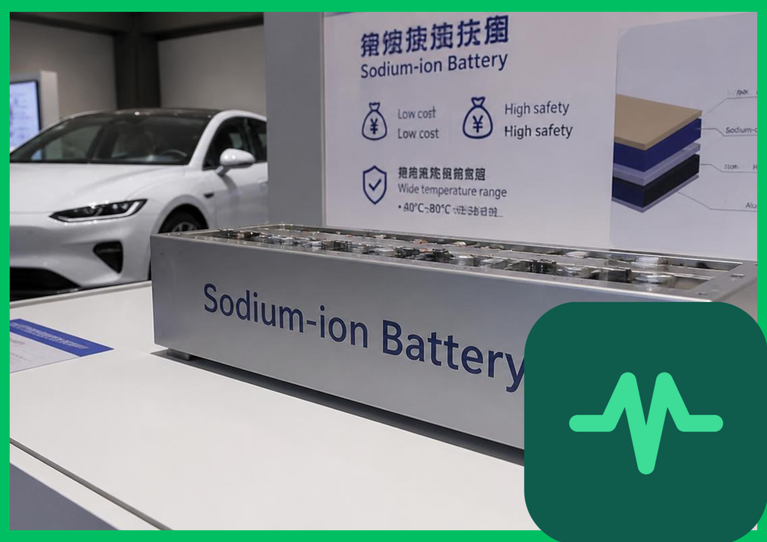
Let's talk honestly about what this means for future EV buyers.
Why Sodium Genuinely Offers a Compelling Alternative
Lithium batteries genuinely depend on materials that require difficult, expensive mining, often concentrated in a limited number of global sources. Sodium, by genuine contrast, ranks among the most abundant elements on Earth, extracted easily and genuinely cheaply compared to lithium.
This abundance genuinely translates directly into potential cost savings for sodium ion battery cars.
How Sodium Ion Battery Technology Actually Works
The basic chemistry genuinely resembles lithium batteries, ions moving between electrodes to genuinely store and release energy. Sodium ions genuinely replace lithium ions in this process, offering genuinely similar function using far cheaper, more abundant raw materials.
Why 2026 Marks a Genuine, Real Turning Point
Several manufacturers have genuinely moved sodium ion battery cars from prototype testing into limited, real commercial production this year. While genuinely not yet mainstream, this represents meaningful, tangible progress beyond years of purely theoretical promise.
Why This Technology Genuinely Suits Certain Vehicles Best
Sodium ion batteries genuinely store somewhat less energy per pound than lithium, making them genuinely better suited for smaller, shorter-range vehicles rather than long-range luxury models. This genuinely makes them ideal for affordable, practical city cars and commuter vehicles.
Why This Genuinely Matters for EV Affordability
Battery costs genuinely represent a significant chunk of any EV's total price. Sodium ion battery cars, using genuinely cheaper raw materials, could meaningfully lower this cost, making electric vehicles more genuinely accessible to budget-conscious buyers who've felt priced out of the EV market.
Why This Feels Like Genuine, Practical Hope for Affordability
There's something genuinely exciting about watching a genuinely cheap, abundant material potentially unlock more affordable clean transportation. For families who've genuinely wanted an EV but felt the price tag was out of reach, this technology offers real, tangible hope.
The Honest Limitations Worth Understanding
Let's be fair about real trade-offs. Sodium ion battery cars genuinely offer somewhat shorter range than comparable lithium models right now. For drivers genuinely needing long-distance capability, lithium technology genuinely remains the better current choice.
Why Cold Weather Performance Genuinely Matters Here Too
Early testing genuinely suggests sodium ion batteries handle cold weather reasonably well, potentially even outperforming some lithium chemistries in genuinely frigid conditions, though real-world, long-term data continues genuinely accumulating as more vehicles reach the road.
What This Means for Future EV Shoppers
If you're genuinely prioritizing affordability over maximum range, keep an eye on sodium ion battery cars as they genuinely expand availability over the coming years. For long-distance needs, lithium technology genuinely remains the more proven current option.
Common Questions
Are sodium ion battery cars genuinely available to buy now?
Limited, early commercial availability genuinely exists in 2026, though widespread options remain still developing.
Why would sodium ion batteries genuinely be cheaper than lithium?
Sodium is genuinely far more abundant and easier to extract than lithium, translating into real cost savings.
Do sodium ion batteries genuinely offer less range?
Yes, generally, making them genuinely better suited for smaller, shorter-range vehicles rather than long-distance travel.
Final Thoughts
Sodium ion battery cars in 2026 represent genuine, practical progress toward more affordable electric vehicles. For budget-conscious buyers prioritizing cost over maximum range, this technology deserves real, honest attention.
Comments (0)
Login to leave a comment.
No comments yet. Be the first to share your thoughts!