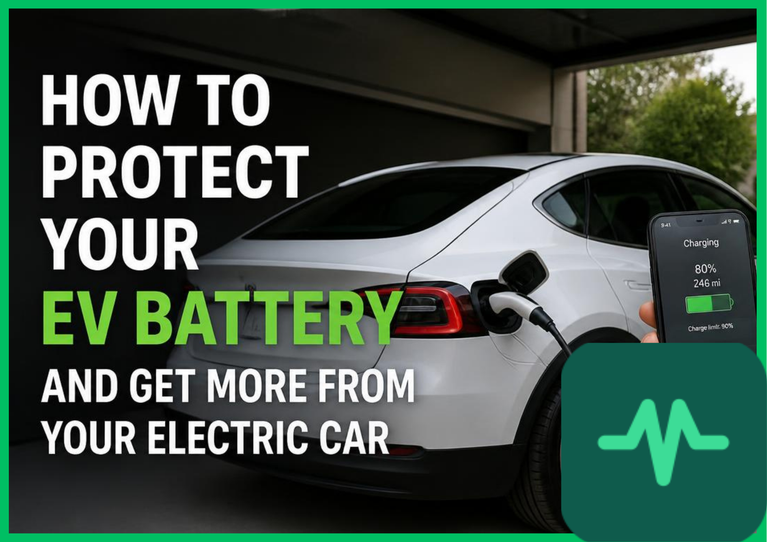
The battery sits at the heart of every electric vehicle. It stores the energy needed to move the car. It also represents a significant share of the vehicle's overall value.
This is exactly why EV battery health worries so many buyers and owners alike. Many consumers fear their battery will lose capacity quickly. The reality is more nuanced than that. Battery performance does change over time. Modern EV battery systems, though, are specifically designed to manage this process carefully.
What Is an EV Battery?
An EV battery is a rechargeable energy-storage system. It contains many individual cells, grouped together into modules and larger packs.
A battery-management system watches over the whole setup continuously. It helps control temperature, charging, and other operating conditions in real time. This complex system exists to keep the battery running safely within its intended limits.
Battery Capacity
Battery capacity is typically measured in kilowatt-hours. A larger battery stores more energy, which can contribute to greater driving range.
Range still depends on far more than battery size, though. Vehicle weight, efficiency, speed, weather, and driving conditions all play a role too. Battery size alone never fully determines how far a car can actually travel.
What Is Battery Degradation?
Battery degradation means the battery gradually loses some of its ability to store energy. This is a completely normal part of battery aging, not a sign of anything wrong.
Over time, a vehicle may not travel quite as far on a full charge as it did when new. This decline is generally gradual, though, not sudden. The exact speed varies depending on the specific battery, vehicle, and how it gets used day to day.
Fast Charging
Fast charging is extremely useful, especially for long journeys where time matters. It's worth understanding, though, that charging behavior can influence long-term battery performance.
Modern EVs include battery-management systems built specifically to control charging safely. Follow the manufacturer's recommendations here. There's no need to fear fast charging outright. Simply using the appropriate charging method for each situation is the sensible approach.
Avoid Extreme Temperatures
Temperature genuinely affects batteries. Very high temperatures increase battery stress over time. Very cold conditions can temporarily reduce performance too.
Modern EVs often include thermal-management systems specifically to control battery temperature automatically. Understand how your specific vehicle handles this, since approaches vary between manufacturers.
Do You Need to Charge to 100%?
Not necessarily. The ideal charging range depends on your specific vehicle and its manufacturer's guidance.
Some manufacturers recommend charging to a lower level for routine daily driving, then using a full charge only when you actually need maximum range for a longer trip. Check your vehicle's specific instructions rather than following generic advice found online.
Do Not Let the Battery Remain Empty for Long Periods
Leaving an EV at a very low charge for an extended period generally isn't a good habit. If the vehicle will sit parked for a long time, follow the manufacturer's specific storage recommendations.
The same caution applies to extreme temperatures during long storage periods. A car sitting in extreme heat or cold for weeks needs different care than one used daily.
Regenerative Braking
Many electric cars use regenerative braking. As the vehicle slows down, some of that energy gets recovered and sent back into the battery instead of being lost entirely.
This improves overall efficiency. It also changes how the car feels to drive, since braking behaves differently than in a petrol car. It's worth noting, though, that regenerative braking doesn't create free energy out of nothing. Some energy is still lost during the process itself.
EV Battery Warranty
Battery warranties matter a great deal. Many manufacturers provide specific coverage for the high-voltage battery, separate from the rest of the vehicle's warranty.
That coverage may include both time limits and mileage limits. Some also specify a minimum guaranteed battery-capacity level over the warranty period. Read these terms carefully before buying any EV, new or used.
Used Electric Cars
Battery health becomes especially important when buying a used EV. Ask whether a battery-health report is available before committing to a purchase.
Check the remaining warranty status. Investigate the vehicle's charging history if it's available. A professional inspection can add real confidence on top of whatever documentation the seller provides.
Can EV Batteries Be Recycled?
Yes. EV batteries contain genuinely valuable materials that can potentially be recovered and reused.
Battery recycling technology keeps developing as the number of retired EV batteries grows worldwide. This matters for two reasons at once: real environmental benefit, and genuine resource security for future battery production.
Second-Life Batteries
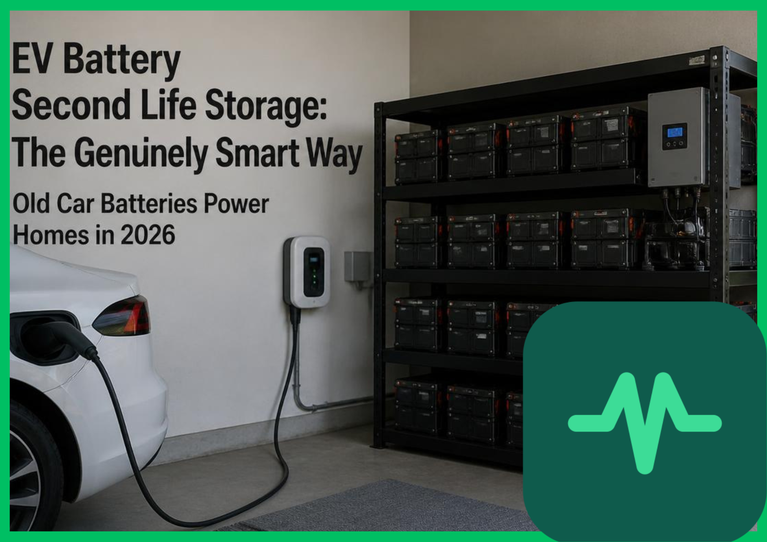
Some EV batteries still hold useful capacity even after they're no longer ideal for powering a vehicle. They may find a second purpose in stationary energy storage instead.
Retired vehicle batteries, for example, could potentially support buildings or renewable-energy systems in a new role. This is known as second-life use. Not every battery is suitable for this path, but the idea is attracting real, growing attention across the industry.
EV Batteries and Critical Minerals
EV batteries require materials like lithium, nickel, cobalt, graphite, and others, depending on the specific chemistry used. This creates real supply-chain challenges for manufacturers.
It also creates genuine opportunities for recycling. Recovering materials from used batteries could meaningfully reduce the need for some new mining over time, easing pressure on limited global mineral supplies.
Battery Technology Is Changing
Battery technology keeps advancing steadily. Manufacturers are actively working on improvements across several fronts:
- Energy density
- Charging speed
- Cost
- Durability
- Safety
- Material use
Different battery chemistries are also being explored and deployed simultaneously. Don't assume every EV battery is built the same way, since real differences exist between brands and even between models from the same manufacturer.
EcoGreenPulse View
The EV battery is one of the most important technologies in electric mobility today. Consumers shouldn't view batteries as disposable components, though, meant to simply wear out and get replaced.
Proper charging habits, sensible temperature management, and normal vehicle care all help owners genuinely get the most out of their vehicles over many years of use.
Conclusion
Understanding the EV battery can make electric-car ownership feel far less confusing. Battery degradation is normal and expected. Modern EVs, though, are specifically designed to manage that process carefully.
Follow manufacturer guidance closely. Understand your warranty terms in detail. Consider battery health seriously when purchasing a used EV. As battery technology keeps improving, electric vehicles are likely to become even more practical and accessible for everyday drivers.
Sources: International Energy Agency, Global EV Outlook, and battery/critical-mineral resources.

Comments (0)
Login to leave a comment.
No comments yet. Be the first to share your thoughts!