Electric vehicles are becoming more common every year. As more cars go electric, the number of batteries in use will keep growing right alongside them.
Eventually, those batteries reach the end of their useful vehicle life. That raises an important question worth asking: what happens next?
This is exactly where EV battery recycling comes in. Instead of simply treating old batteries as waste to throw away, recycling helps recover genuinely valuable materials from them.
EV Batteries Contain Valuable Materials
Electric-car batteries hold several important materials inside. Depending on the specific chemistry, these can include lithium, nickel, cobalt, graphite, copper, and others.
These materials carry real economic value. They're also essential for manufacturing the next generation of batteries. Recovering them, in other words, could directly support future battery production, not just clean up old waste.
End of Vehicle Life Does Not Always Mean End of Battery Life
Here's something worth understanding: a battery can lose some capacity while still remaining genuinely useful. An electric car often needs a certain minimum level of battery performance to drive well.
A stationary energy-storage system, though, has very different requirements. It doesn't need to power a moving vehicle at highway speeds. Because of this, some batteries can find a second purpose after their automotive life ends. This is known as second-life use.
What Is Second-Life Battery Use?
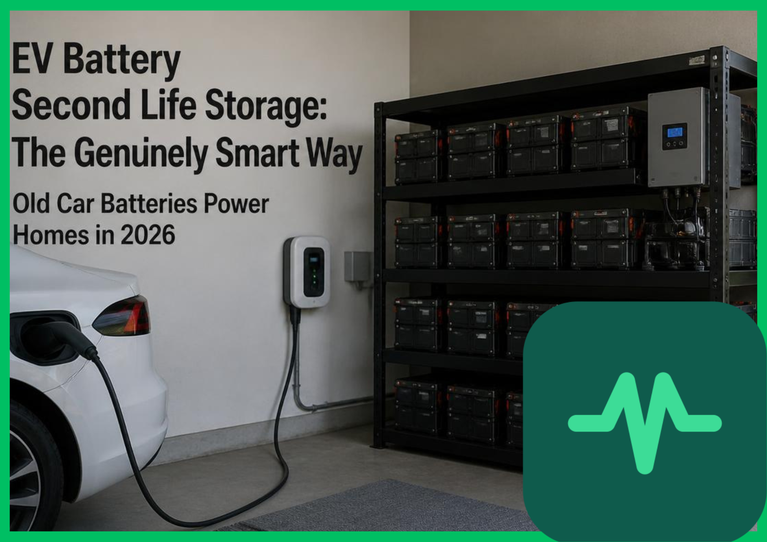
Second-life use means putting an EV battery to work in a different application entirely. It might get used for stationary energy storage, for example. It could store electricity generated by solar panels during the day. It could support electricity demand inside buildings too.
Not every used battery qualifies for this, though. Safety, cost, and remaining capacity all matter before a battery gets a genuine second life instead of heading straight to recycling.
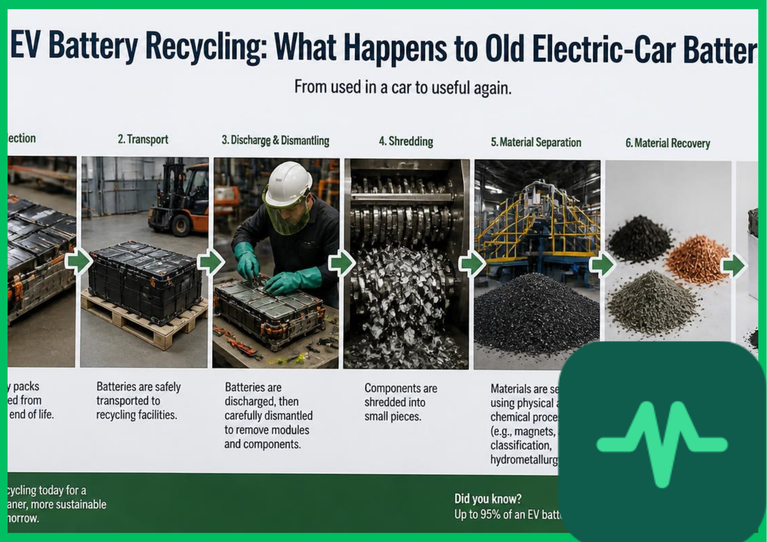
How Does EV Battery Recycling Work?
Battery recycling happens in several distinct stages. First, the battery gets collected from wherever it was removed. It then gets tested to assess its actual condition.
Some batteries can be repaired or reused directly. Others get sent for full recycling instead. The recycling process itself recovers valuable materials, with the exact method depending on the battery's chemistry and the specific recycling technology used.
Why Recycling Is Difficult
EV batteries are genuinely complex machines, not simple objects. They contain many interconnected components. They also store significant amounts of energy, even when supposedly "dead."
Safe handling requires specialized systems built specifically for this purpose. Transportation creates its own challenges too, given the energy still stored inside. Battery recycling, in short, can't simply be treated like tossing a can into a household recycling bin.
Recycling Can Support Resource Security
Battery manufacturing depends heavily on raw materials. Mining is one source of those materials. Recycling offers a second, complementary source.
If manufacturers can recover more materials from old batteries, they could rely less heavily on newly mined materials over time. This matters more and more as electric-vehicle production keeps expanding worldwide.
What About the Environment?
Mining and processing raw materials carries real environmental impact. Recycling helps recover materials that have already been extracted and processed once, avoiding the need to repeat that damage.
Recycling itself still uses energy and resources, though. It isn't completely impact-free either. The real goal here is building a more efficient materials system overall, not achieving some impossible zero-impact ideal.
Consumers Have a Role
EV owners should never attempt to dismantle a high-voltage battery themselves. That's genuinely dangerous. Batteries should always be handled through appropriate professional systems instead.
When an EV reaches the end of its life, use authorized channels for disposal and recycling. This simple step protects both people and the environment, and it's easier than most owners assume.
Battery Design Is Changing
Manufacturers are increasingly thinking about recycling right from the design stage. Simpler battery designs can make repair or recycling considerably easier down the line.
Battery-management systems also provide useful information about a battery's actual condition over time. As the industry matures, expect battery design and recycling to become more tightly connected, not treated as separate concerns.
Recycling and the Circular Economy
EV battery recycling ties closely into a bigger idea called the circular economy. The traditional model most industries follow looks something like this:
Take → Make → Use → Dispose
A circular model tries to keep materials in use for much longer instead. It looks more like this:
Use → Reuse → Repair → Recycle → Recover
The objective throughout is reducing waste and preserving valuable resources, rather than treating every product as disposable once its first job is done.
Will Battery Recycling Eliminate Mining?
No, and it's worth being honest about that. Recycling reduces pressure on raw-material supply, genuinely. New battery production still requires additional fresh materials as the overall market keeps growing, though.
Mining and recycling are likely to coexist for a long time to come. The real goal isn't eliminating mining entirely. It's making the whole system more efficient, so recycling carries more of the load over time.
What Consumers Should Look For
When buying an EV, it's worth asking a few pointed questions:
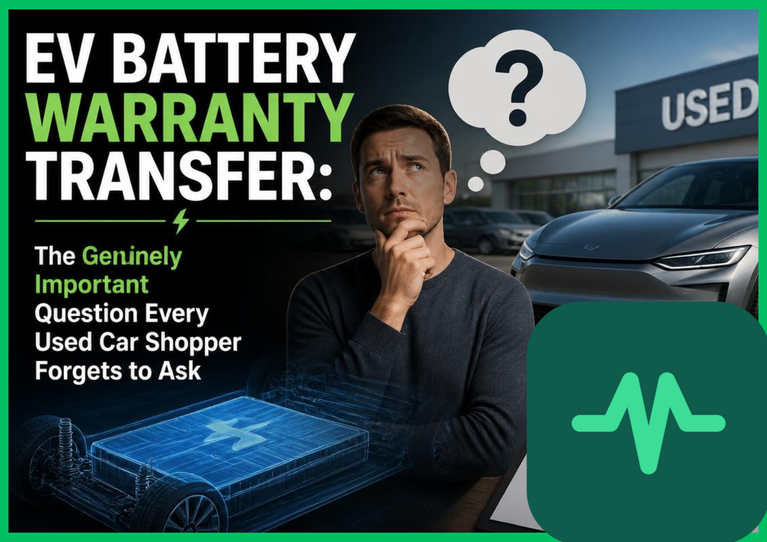
- What is the battery warranty?
- Can the battery be repaired if something goes wrong?
- Does the manufacturer support recycling directly?
- What happens at the end of the vehicle's life?
- Is battery-health information available to owners?
These questions help you understand the full, long-term picture, not just what the car looks like on day one.
EcoGreenPulse View
EV battery recycling doesn't get nearly as much attention as flashy new electric cars. It could become one of the most important parts of the entire electric-vehicle ecosystem, though.
The future of electric mobility depends on more than just making great batteries. It depends just as much on managing them responsibly after their first life ends.
Conclusion
Electric vehicles can meaningfully reduce dependence on petrol and diesel. Their batteries, though, still need to be managed responsibly once their driving days are done.
Recycling and second-life use help keep valuable materials in circulation instead of buried in landfills. As the EV market keeps growing, these systems will only become more important.
For consumers, that's genuinely encouraging news. A cleaner transportation system should aim for a smarter materials system too, not just cleaner tailpipes.
Sources: International Energy Agency resources on batteries and critical minerals; International Renewable Energy Agency resources on circularity and clean-energy technologies.


Comments (0)
Login to leave a comment.
No comments yet. Be the first to share your thoughts!