
Electric cars are changing transportation in real, visible ways. One component, though, remains at the center of the entire experience: the battery.
EV batteries determine how much energy an electric vehicle can actually store. They affect range, weight, charging time, and vehicle cost, all at once. Because of this, battery technology is genuinely one of the most important parts of the whole electric-car transition.
Why EV Batteries Matter So Much
A conventional car stores energy in a fuel tank. An electric car stores energy in a battery instead. That difference matters more than it might first appear.
The battery represents a major part of an EV's total manufacturing cost. It also determines how far the vehicle can travel before needing a charge. For consumers, this makes battery technology extremely important, arguably the single most important factor in the whole ownership experience.
Battery Technology Is Improving
Battery manufacturers are working toward several real goals at once. They want batteries to cost less. They want batteries that store more energy in the same space. They want faster charging times.
They also want longer battery life overall. Safety remains a major priority throughout all of this too, not an afterthought. These improvements together could make electric vehicles genuinely more attractive to a wider range of everyday consumers.
Range Anxiety Could Decline
Range anxiety is the genuine fear that an electric vehicle will run out of energy before reaching a charging point. Better batteries can help ease this concern directly.
Charging infrastructure matters just as much, though. A vehicle with a long range is far less useful if drivers can't easily find a charger when they actually need one. Batteries and charging networks, in other words, genuinely need to develop together, not in isolation from each other.
Charging Speed Matters
Consumers don't always need the biggest battery available. Sometimes, faster charging genuinely matters more than raw capacity.
Picture a driver who can quickly recharge during a short break. That person may not need an extremely large battery at all. This is exactly why future EVs may focus not only on range, but also on charging convenience, since the two goals aren't always the same thing.
Battery Life
Modern EV batteries are designed to last for many years of regular use. Battery performance can still change over time, though, and that's worth understanding honestly.
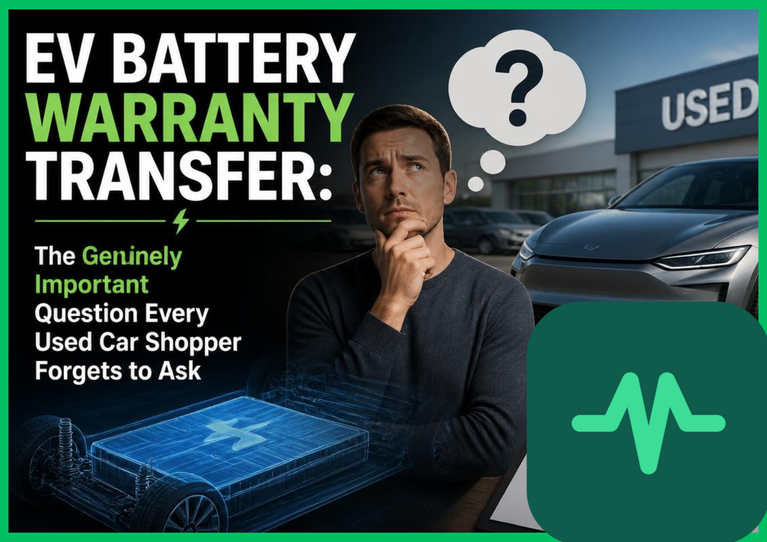
Temperature, charging patterns, everyday usage, and battery chemistry can all influence long-term battery health. Pay close attention to battery warranties when buying an electric car, since they offer real insight into how a manufacturer expects their battery to hold up.
What Happens to Old EV Batteries?
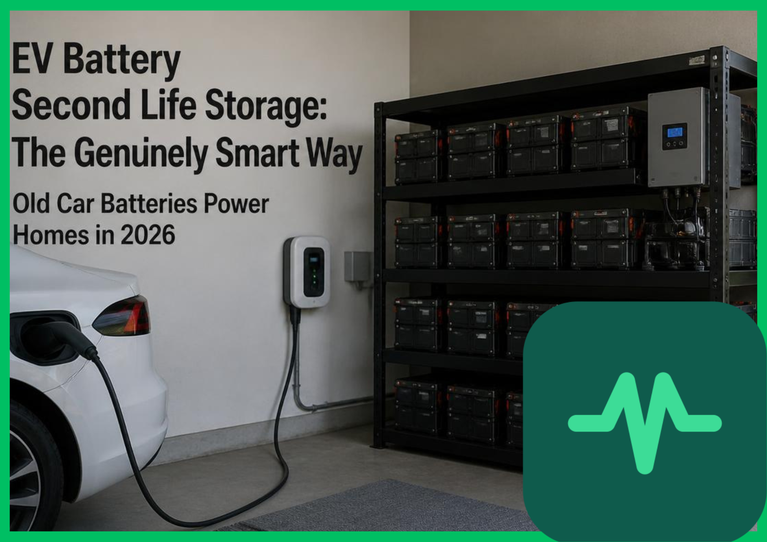
An EV battery doesn't necessarily become useless the moment it's no longer ideal for powering a car. Some batteries remain genuinely suitable for other uses.
They could potentially serve stationary energy storage instead, storing power for a home or building rather than a moving vehicle. This is sometimes called a second-life application, and it gives a battery real, continued value beyond its driving days.
Battery Recycling
Eventually, batteries do reach the true end of their useful life. Recycling can recover genuinely valuable materials from them at that point.
This helps reduce waste directly. It also eases pressure on the supply of certain raw materials needed for new batteries. As EV sales keep growing, battery recycling will only become more important with each passing year.
Critical Minerals
EV batteries require a range of minerals and materials to function. These include lithium and other materials, varying depending on the specific battery chemistry used.
Growing EV demand is drawing increasing attention to these mineral supply chains as a result. Recycling could become one meaningful part of the long-term solution, reducing how much new mining gets required over time.
Battery Chemistry Is Changing
There's no single battery chemistry that works best for every vehicle. Different technologies offer genuinely different advantages depending on the goal.
Some focus specifically on lower cost. Others focus on maximizing energy density. Some use fewer expensive materials altogether. This ongoing competition could eventually give consumers more real choices to fit their specific needs and budget.
Will Better Batteries Make EVs Cheaper?
They genuinely could help. Battery costs have a major influence on overall EV prices, often the single largest cost component in the whole vehicle.
If manufacturers can produce batteries more efficiently, some of those savings could eventually reach consumers directly. Vehicle prices still depend on many other factors too, though, so battery improvements alone won't solve everything on their own.
The Role of Software
Modern EVs are increasingly software-driven, more than most buyers realize. Software can monitor battery health continuously in the background. It can manage charging intelligently too.
It can improve overall energy efficiency as well. Some vehicles can even receive software updates that improve performance after purchase. The future of battery technology, in other words, isn't only about chemistry. It's also genuinely about digital management working alongside the hardware.
EcoGreenPulse View
EV batteries are one of the most important technologies in the global transition toward electric transportation. The next stage isn't simply about making larger batteries.
It's about making batteries more affordable, more durable, more efficient, and easier to recycle, all at the same time.
Conclusion
Look beyond an EV's advertised range alone when shopping. Battery warranty matters. Charging speed matters. Battery chemistry matters. Recycling matters. After-sales support matters too.
As technology keeps improving across all of these fronts, electric vehicles could become genuinely more practical for a much wider range of drivers, not just early adopters willing to accept today's trade-offs.
Sources: International Energy Agency resources on electric vehicles, batteries, and critical minerals.


Comments (0)
Login to leave a comment.
No comments yet. Be the first to share your thoughts!