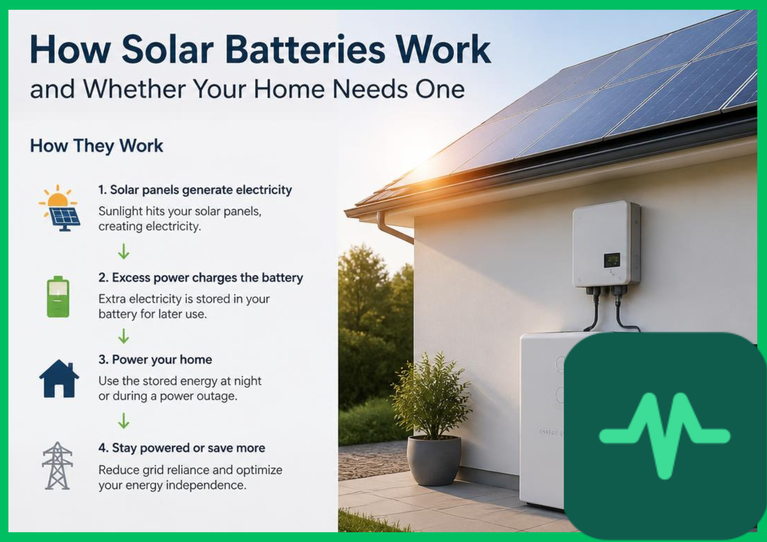
A solar battery stores electricity generated by a solar system. Solar panels usually produce the most electricity during daylight hours. Households, though, often need more electricity in the evening.
A battery bridges these two periods. Instead of using all solar electricity the moment it's generated, a household can store some of it. That stored electricity gets used later, exactly when it's actually needed.
Why Storage Matters
Solar power is variable by nature. The sun rises, production increases. Then production falls again as evening approaches.
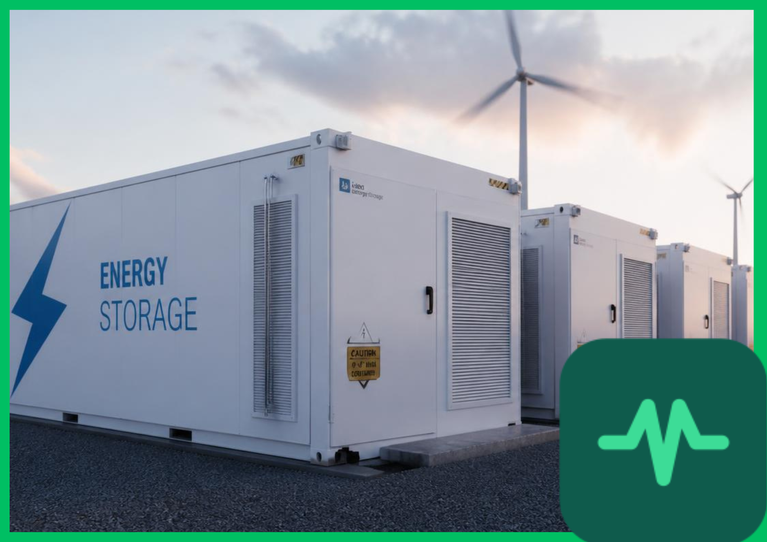
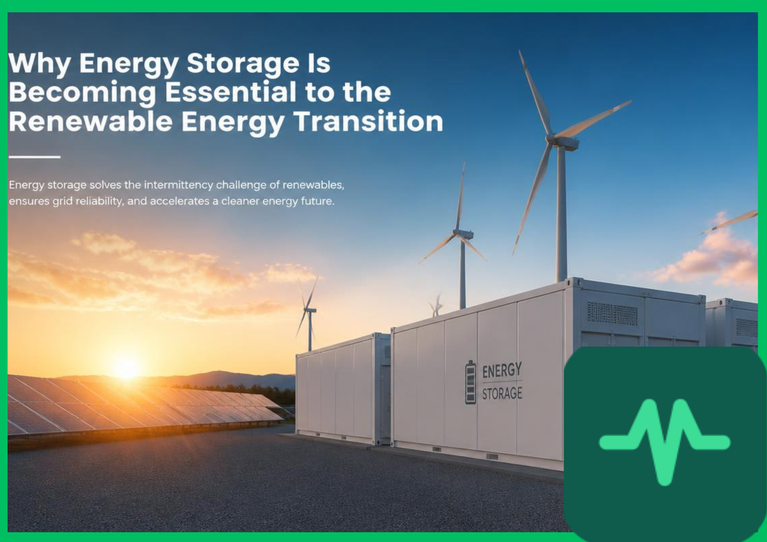
Household electricity demand doesn't follow that same pattern, though. This creates a real mismatch between when power gets made and when it gets used. Energy storage helps close that gap. This is exactly why batteries are becoming increasingly important as renewable energy keeps expanding.
How a Solar Battery Works
The process is fairly simple. Solar panels generate electricity. Some of it powers household appliances directly. Any excess electricity charges the battery instead of going to waste.
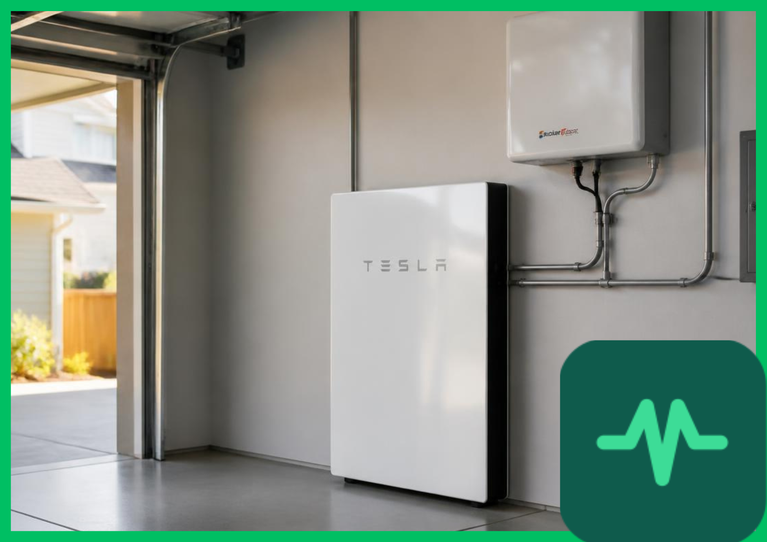
Later, the battery discharges that stored power to run household equipment. An inverter and energy-management system coordinate all of these flows behind the scenes. The exact setup depends on the specific equipment installed.
Batteries Can Provide Backup
Some battery systems can supply backup electricity during a grid outage. Not every solar battery system does this, though. The system has to be specifically designed for that purpose.
Ask your installer directly whether the system can operate during an outage. Also ask which appliances it can actually power. A battery built to run a few essential devices is very different from one designed to power an entire home.
Battery Size Matters
A larger battery stores more electricity. Larger doesn't always mean better, though.
Choose a battery based on your household's real electricity needs. An oversized battery costs more than necessary. An undersized one won't provide enough storage when you actually need it. Professional system design helps determine the right size for your situation.
Battery Power vs Battery Capacity
It's worth understanding two different specifications here. Capacity tells you how much energy a battery can store. Power tells you how much electricity it can deliver at any given moment.
These aren't the same thing. A battery might have enough capacity to run a home for several hours, but not enough power to run every appliance at once, simultaneously.
Battery Efficiency
Energy storage isn't perfectly efficient. Some energy gets lost during both charging and discharging.
This is why it's worth checking a battery's round-trip efficiency before buying. Higher efficiency means more of the stored electricity actually becomes usable power later on.
Battery Life
Batteries don't last forever. Their performance changes gradually over time. The rate of that decline depends on several factors:
- Battery chemistry
- Temperature
- Charging patterns
- Depth of discharge
- Usage
Manufacturers typically provide warranties covering this. Read those terms carefully before buying, since they vary quite a bit between brands.
Lithium-Ion Batteries
Lithium-ion technology is widely used in home energy storage. Several different lithium-based chemistries exist, though, each designed with different priorities in mind, like energy density, safety, lifespan, or cost.
Don't assume every lithium battery performs the same way. The specific chemistry and overall system design both matter a great deal.
Is a Solar Battery Worth It?
That depends on your situation. A battery may make real sense for a household that:
- Has solar panels
- Uses significant electricity after sunset
- Experiences frequent power outages
- Has electricity tariffs that reward storage
- Wants greater energy independence
That said, a battery won't make financial sense for every household. The economics depend heavily on local electricity prices and the cost of the battery itself.
Solar Without Batteries
A household can still benefit from solar without ever adding a battery. Solar electricity can be used directly the moment it's generated. Excess electricity can also get exported to the grid, where local rules allow it.
Don't assume a battery is mandatory. It's an optional add-on for many solar systems, not a required component.
EcoGreenPulse View
The solar battery is becoming an important part of residential energy storage. It helps households use more of their own solar electricity later in the day. It can also provide backup power in the right configuration.
Still, batteries come with real costs and real limitations. The best decision ultimately depends on your electricity use, your solar production, and local energy prices, not a one-size-fits-all answer.
Comments (0)
Login to leave a comment.
No comments yet. Be the first to share your thoughts!