Batteries Are Becoming More Important
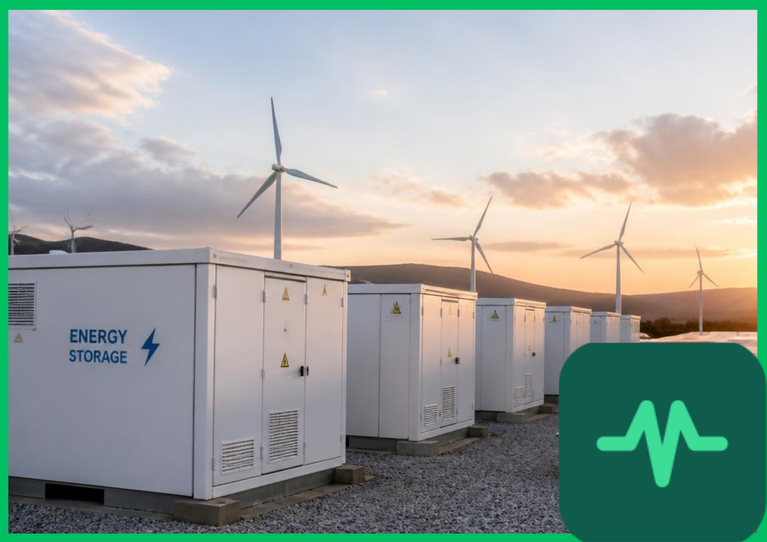
The rapid expansion of renewable electricity is creating a new challenge. Solar and wind can generate large amounts of electricity, but their output changes. Battery energy storage can help electricity systems manage that variation.
The technology can store electricity when supply is high and release it later. This makes batteries particularly useful alongside solar power.
Battery Costs Have Fallen
The economics of batteries have changed significantly. The IEA reports that battery prices have fallen by 75% since 2015. The decline has helped electric vehicles become more competitive while also supporting greater use of variable renewable electricity.
Lower costs make battery energy storage more attractive to utilities, businesses and households. However, price is only one factor. Storage projects also need suitable grid connections and effective market rules.
EVs Are Driving Battery Technology
Electric vehicles are an important part of the battery story. The IEA reports that EVs accounted for more than 70% of global battery deployment in 2025.
EV battery deployment reached approximately 1.2 TWh. This is nearly 30% higher than in 2024. This means improvements in EV batteries can also influence stationary energy storage.
Manufacturing scale can reduce costs. Technology improvements can increase performance. And growing production can strengthen supply chains.
Batteries Can Help Solar Power
Solar and battery energy storage can work particularly well together. Solar panels often produce their highest output during daylight.
However, household and business electricity demand may remain high into the evening. A battery can store some solar electricity during the day. It can then provide electricity later. This can improve the usefulness of solar generation.
Batteries Can Support the Grid
Large battery systems can also provide services to electricity networks. They can respond quickly to changes in supply and demand. They can help manage short-term fluctuations. They can also help reduce pressure during periods of high demand.
However, batteries cannot replace every form of grid infrastructure. Transmission and distribution networks remain essential.
Recycling Will Matter
Rapid battery deployment also creates a future recycling challenge. The IEA says recycling will become increasingly important for the long-term sustainability of the battery industry and for recovering critical minerals.
Today, recycling is still limited in terms of meeting future mineral demand because relatively few EV batteries have reached the end of their useful lives. That situation will change as today's batteries eventually reach retirement.
Africa Could Benefit
Battery energy storage could be particularly useful in African markets. Many areas face unreliable electricity supply. Solar combined with batteries can provide an alternative source of electricity for homes, businesses and communities. Mini-grids can also combine solar generation, storage and local electricity distribution.
However, affordability remains a major issue. Storage systems need to become affordable enough for widespread deployment.
EcoGreenPulse Analysis
The battery industry is becoming a bridge between different parts of the clean-energy economy. Electric vehicles drive battery manufacturing.
Renewable energy creates demand for stationary storage. Grid operators need flexibility. Consumers want reliable electricity. All these trends reinforce the importance of batteries.
Conclusion
Battery energy storage is becoming an increasingly important technology for the energy transition. Its importance will grow as solar and wind expand.
However, batteries should not be viewed as a complete solution. Strong grids, good policies, diverse generation and efficient electricity markets are also necessary.
Sources: IEA, Global EV Outlook 2026; IEA, Energy Technology Perspectives 2026.
Comments (0)
Login to leave a comment.
No comments yet. Be the first to share your thoughts!