
 to
 [
 to
 ]), increasing volumetric energy storage capacity by 5 to 14 times over sensible materials. Evaluating enthalpy phase transitions, thermal conductivity enhancement, and HVAC peak load shifting is essential for quantifying phase change material building envelope thermal inertia.
Enthalpy Phase Transitions and Latent Heat Storage
The thermodynamic mechanism driving a phase change material building envelope thermal inertia response is latent heat absorption and release during a solid-liquid phase transition. When ambient solar irradiance or internal heat gains raise the envelope temperature to the PCM melting point ( ), molecular bonds shift from an ordered solid lattice into a disordered liquid phase while absorbing thermal energy isothermally at the enthalpy of fusion (
 ). The total thermal energy stored (
 ) across a temperature interval from
 to
 spanning a phase transition is expressed as:

where  is PCM mass,
 and
 denote solid and liquid specific heat capacities, and
 represents latent heat per unit mass. Because temperature remains nearly constant during melting, inward heat flux is intercepted before it raises indoor air temperature.
During cooler nighttime hours, heat dissipates outward or into cooler indoor air, reversing the process via solidification and releasing stored latent heat. Academic building physics studies report that integrating encapsulated PCMs into building envelopes can lower peak indoor summer temperatures by up to  (
 ) and cut annual heating and cooling energy loads by 10% to 30% depending on climate zone, PCM loading, and insulation pairing.
Organic, Inorganic, and Eutectic PCM Formulations
Selecting an appropriate PCM for a building assembly requires balancing phase transition temperature, latent heat capacity, chemical stability, and containment safety. Organic compounds—including linear paraffin waxes ( ), fatty acids, and polyethylene glycols (PEGs)—offer congruent melting with minimal subcooling and non-corrosive behavior. Paraffin formulations with phase change ranges between
 and
 (
 and
 ) typically provide latent heats of fusion between
 and
 (
 and
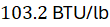 ), though pure organics exhibit low thermal conductivity (
 ) and require containment to prevent liquid leakage.
Inorganic salt hydrates—such as sodium sulfate decahydrate ( ) or calcium chloride hexahydrate (
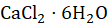 )—deliver higher volumetric latent heat storage and higher thermal conductivity (
 ) than paraffins. However, salt hydrates suffer from incongruent melting, phase separation, and supercooling (delaying crystallization below the freezing point), requiring nucleating agents and thickening matrices to preserve cycling repeatability. Eutectic mixtures combine two or more organic or inorganic components at a precise composition to melt and freeze at a single sharp temperature without phase segregation.
Technical Data Specifications of Building Envelope PCMs
| Envelope PCM Parameter | Engineering & Thermal Specification Standard |
|---|---|
| Comfort-Zone Phase Transition Range |  to  (  to  ) |
| Volumetric Storage Gain vs. Sensible Mass | 5x to 14x higher energy density per unit volume |
| Organic PCM Thermal Conductivity |  unenhanced baseline |
| Nano-Enhanced Composite Conductivity |  with graphite/carbon additives |
| Microcapsule Shell Diameter Range |  (  ) |
| Envelope PCM Layer Thickness | 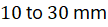 (  ) wall/ceiling integration |
| Annual HVAC Energy Reduction Range | 10% to 30% passive and hybrid envelope impact |
Microencapsulation, Form-Stabilization, and Conductivity Enhancement
Deploying PCMs inside plasterboard, concrete, or roof assemblies demands mechanical containment so liquid phase material cannot migrate or compromise structural matrices. Microencapsulation encloses micron-scale PCM droplets inside durable polymer shells (such as melamine-formaldehyde or polymethyl methacrylate), while shape-stabilized composites embed PCM within porous supporting matrices like expanded graphite, expanded perlite, or cross-linked polymer networks. Microencapsulation lowers effective latent heat proportionally to shell mass fraction, yet prevents leakage and maintains consistent heat transfer surface area across thousands of thermal cycles.
Because low thermal conductivity slows charging and discharging rates during brief diurnal cycles, formulators disperse high-conductivity fillers—including expanded natural graphite, graphene nanoplatelets, or aluminum nitride—into the PCM matrix. Raising effective thermal conductivity accelerates phase front propagation across the layer thickness, ensuring the PCM fully melts during peak afternoon heat gain and fully resolidifies before the next solar cycle begins.
Passive Building Envelope Insulation and HVAC Peak Load Shifting
Pairing passive building envelope insulation with latent heat layers governs heat flow direction and magnitude. Placing PCM toward the interior side of exterior insulation buffers indoor temperature swings against internal heat gains and daytime thermal waves, whereas positioning PCM near the exterior attenuates solar peaks before heat penetrates the core. Combining thermal insulation with PCM outperforms either measure alone by slowing conductive heat transfer while absorbing transient thermal pulses.
This thermal damping enables HVAC peak load shifting. By delaying and flattening afternoon cooling demand, PCM-enhanced envelopes reduce peak chiller and heat pump compressor runtime during high-tariff grid hours and high outdoor temperatures when air-cooled condenser performance drops. When paired with night ventilation or automated control strategies, complete nocturnal solidification restores latent storage capacity for the following day, lowering peak electrical demand and improving seasonal system efficiency without adding mechanical complexity.

Comments (0)
Login to leave a comment.
No comments yet. Be the first to share your thoughts!