
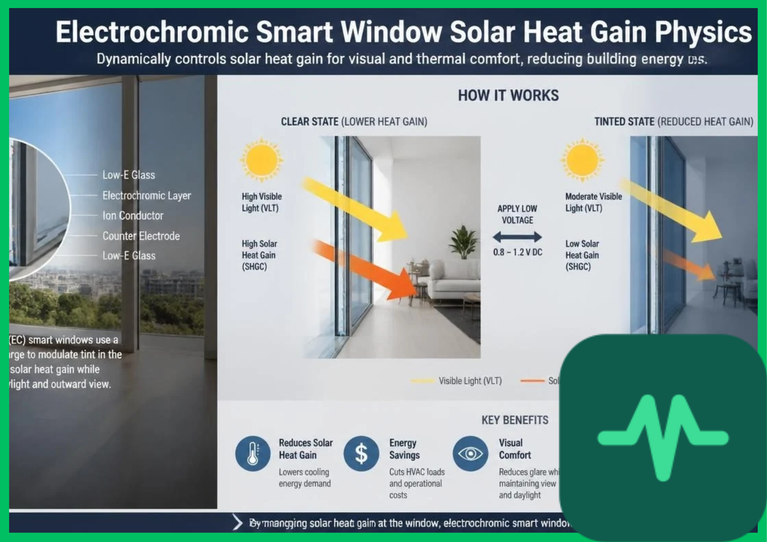
 ) and visible light transmittance (
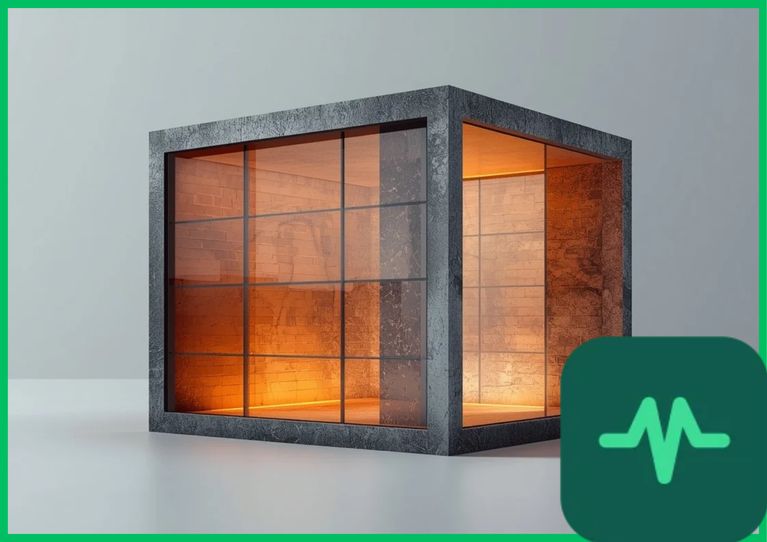
 ) as solar irradiance and indoor thermal loads change. Evaluating tungsten trioxide ion intercalation, near-infrared spectral modulation, multi-layer thin-film stack mechanics, and cooling load energy reduction is essential for analyzing electrochromic smart window solar heat gain physics.
Dynamic Solar Heat Gain Coefficient and Optical Physics
A window's thermal and optical behavior under incident solar radiation is defined by its solar heat gain coefficient ( ), visible light transmittance (
 ), and U-factor (
 ). The
 represents the fraction of incident solar irradiance—spanning ultraviolet, visible, and near-infrared wavelengths (
 to
 )—that enters a building interior directly as transmitted radiation plus the inward-flowing fraction absorbed and re-emitted by the glazing layers:

where  is direct solar transmittance,
 is total solar absorptance of the glazing assembly, and
 denotes the inward-flowing fraction of absorbed heat transferred by convection and long-wave thermal radiation.
In a fixed-tint glazing unit, a low  suppresses cooling loads under intense midday sun, yet depresses
 during overcast skies or winter mornings, increasing lighting energy demand. An electrochromic smart window modulates optical absorption and reflection reversibly between bleached (transparent) and colored (tinted) states using low direct-current potentials (
 to
 ). Shifting
 from roughly
 in the bleached state down to
 in the tinted state alters radiant heat flux through the envelope without requiring mechanical blinds or louvers.
Tungsten Trioxide Ion Intercalation and Thin-Film Stack Architecture
Commercial electrochromic glazing typically relies on a five-layer solid-state thin-film stack deposited between transparent conductive oxide (TCO) coatings—such as fluorine-doped tin oxide ( ) or indium tin oxide (
 )—on glass or polymer substrates. This stack comprises an electrochromic working electrode, an ion-conducting electrolyte layer, an ion-storage counter electrode, and the adjacent transparent conductive layers.
Tungsten trioxide ( ) serves as the primary cathodic electrochromic material in most architectural devices. During coloration, applying a negative bias to the
 electrode drives charge-balancing cations—such as lithium ions (
 ) or protons (
 )—from the ion-storage layer across the ion conductor into the
 host lattice while electrons inject from the transparent electrode:

Intercalated  ions modify the electronic band structure and polaron absorption states of tungsten oxide, shifting its optical absorption across visible and near-infrared wavelengths. Reversing the voltage polarity extracts
 ions back into the counter electrode—such as nickel oxide (
 ) or a complementary anodic layer—restoring the bleached state. Because ionic drift occurs only during state transitions rather than continuously while holding a tint, switching requires minimal electrical energy once the target optical state is reached.
Technical Data Specifications of Electrochromic Glazing Systems
| Electrochromic Glazing Parameter | Engineering & Optical Specification Standard |
|---|---|
Solar Heat Gain Coefficient ( ) | 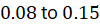 (tinted) / 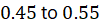 (bleached) |
Visible Light Transmittance ( ) | 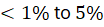 (tinted) / 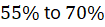 (bleached) |
| Center-of-Glass Thermal U-Factor |  (  ) |
| Applied Switching Voltage Bias |  to  DC low-voltage drive |
| Full Transition Switching Time | 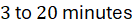 depending on pane area and tint level |
| Ambient Operating Temperature Range |  to  (  to  ) glazing envelope |
| Annual Cooling Energy Reduction | 15% to 35% vs. baseline double-clear or static glazing |
Near-Infrared Spectral Modulation and Visible Light Transmittance
Solar energy reaching Earth's surface distributes roughly half of its irradiance within the visible spectrum ( to
 ) and nearly half within the near-infrared spectrum (
 to
 ). Near-infrared radiation carries substantial thermal energy without contributing to visual brightness, making selective spectral control vital for balancing daylighting against heat rejection.
Advanced electrochromic formulations and plasmonic or nanostructured metal-oxide layers tune near-infrared spectral modulation alongside visible light transmittance ( ). By selectively attenuating near-infrared wavelengths in intermediate or transition modes, glazing can reject solar heat before it enters occupied rooms while preserving usable natural daylight and outdoor views. Intermediate tint states also mitigate glare from low-angle morning or late-afternoon sun, reducing reliance on electric luminaires and lowering internal heat gains generated by lighting fixtures themselves.
Cooling Load Energy Reduction and Thermal Dynamics
Lowering solar heat gain through adaptive glazing directly reduces sensible cooling loads on chillers, heat pumps, and variable-air-volume HVAC systems during high-irradiance periods. Building energy simulation studies and engineering evaluations report cooling load energy reduction of 15% to 35%—and peak cooling demand reductions of 15% to 30%—when electrochromic assemblies replace standard double-pane or static tinted glass in cooling-dominated or mixed climates.
Real-world thermal performance also depends on glazing assembly design and control logic. Multi-pane insulating glass units (IGUs) filled with argon or krypton gas reduce conductive and convective heat transfer across the cavity, keeping center-of-glass U-factors low ( [
 ]). When a pane absorbs solar radiation in its tinted state, its glass temperature rises (
 to
 [
 to
 ] depending on ambient conditions and tint absorption), so exterior-facing placement and insulated cavity spacing prevent inward thermal reradiation from negating optical shading benefits.
Automated building management algorithms that couple solar irradiance sensors, indoor illuminance targets, and occupancy schedules optimize tint transitions ahead of peak solar angles. Proper zoning and multi-step tinting prevent over-darkening during cloudy intervals while capturing full thermal shading during high-load afternoon hours.

Comments (0)
Login to leave a comment.
No comments yet. Be the first to share your thoughts!