Electric vehicles are becoming more common every year. Still, buying an EV raises different questions than buying a conventional car.
You need to think about charging. You need to consider range. Battery size matters. So does electricity cost. Buying an electric car requires more than comparing horsepower and looks alone.
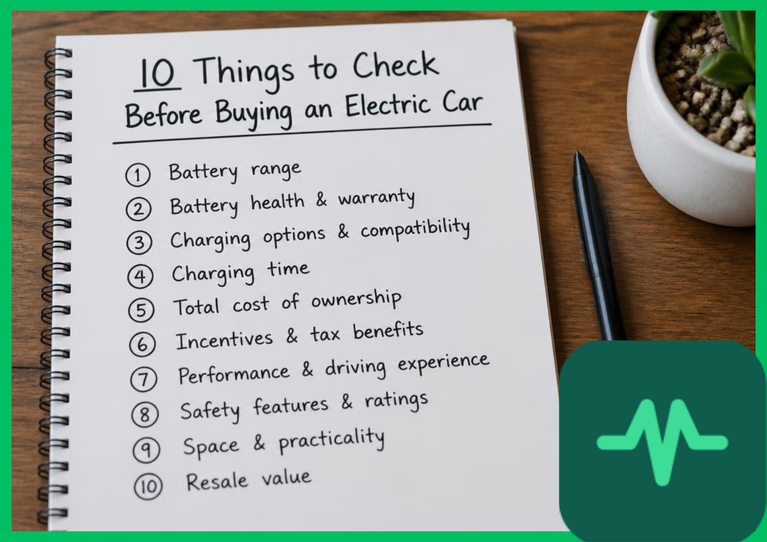
Here are ten important things to check before you buy.
1. Your Daily Driving Distance
Start with your normal driving pattern. How far do you actually travel each day?
If your daily journeys are relatively short, you probably don't need a very large battery. If you regularly cover long distances, range should matter much more in your decision.
Understanding your real driving habits helps you avoid paying for features you'll rarely use.
2. Charging at Home
Home charging can make EV ownership dramatically easier. If you have private parking, check whether a suitable charging point can actually be installed there.
Apartment residents should investigate shared charging options first. Don't buy an EV without a clear plan for where you'll actually charge it.
3. Public Charging
Check the charging network in places where you normally travel. Look closely at:
- Number of chargers
- Charger locations
- Charging speeds
- Pricing
- Reliability
- Payment options
A vehicle with excellent range matters less if convenient charging is genuinely hard to find nearby.
4. Battery Warranty
The battery is one of the most important, and expensive, components in any EV. Before buying, check the battery warranty carefully.
Find out how long it lasts. Also check whether the manufacturer guarantees a minimum battery capacity over time. Warranty terms vary significantly between manufacturers, so don't assume they're all the same.
5. Real-World Range
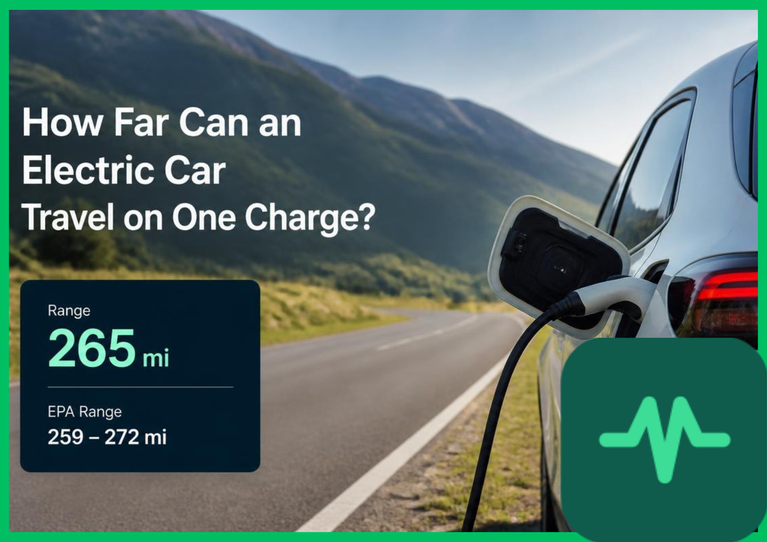
Don't rely only on the advertised range figure. Think about your actual climate. Think about highway driving. Think about air conditioning use. Think about how many passengers and how much luggage you typically carry.
Real-world range can differ meaningfully from official test figures, sometimes by a wide margin.
6. Charging Speed
Two EVs can share similar battery capacities but have very different charging performance. Check both AC and DC charging capabilities before deciding.
Fast charging matters most for long trips. Home charging speed, on the other hand, may matter more for your everyday routine.
7. Total Ownership Cost
Compare more than just the sticker price. Look at the full picture:
- Electricity
- Insurance
- Maintenance
- Taxes
- Charging equipment
- Financing
- Depreciation
A more expensive EV can still end up with lower running costs overall. That said, the math depends entirely on the specific vehicle and your local market, so run the numbers yourself.
8. Spare Parts and Service
Check whether qualified technicians can actually service the vehicle where you live. Investigate spare-parts availability too, especially before buying.
This matters even more with a newer or less established EV brand. A low purchase price loses its appeal fast if repairs become difficult or expensive to arrange.
9. Battery Health for Used EVs
If you're buying a used EV, battery condition becomes especially critical. Ask whether the vehicle comes with a battery-health report.
Check the warranty status carefully. Look at the vehicle's charging history if it's available. And always have the car inspected by a qualified professional before finalizing the purchase.
10. Your Long-Term Needs
Finally, think about how long you plan to keep the vehicle. Your needs may shift over time.
You might travel more in the future. Your household might grow. You might move somewhere with different charging options available. Choose a vehicle that fits both your needs today and your likely needs down the road.
EcoGreenPulse View
Buying an electric car should be based on practical needs, not excitement alone. Range matters. Charging matters just as much. Battery warranty matters. So does service availability in your area.
The best EV isn't the flashiest one. It's the one that actually fits your lifestyle and your local infrastructure.
Comments (0)
Login to leave a comment.
No comments yet. Be the first to share your thoughts!