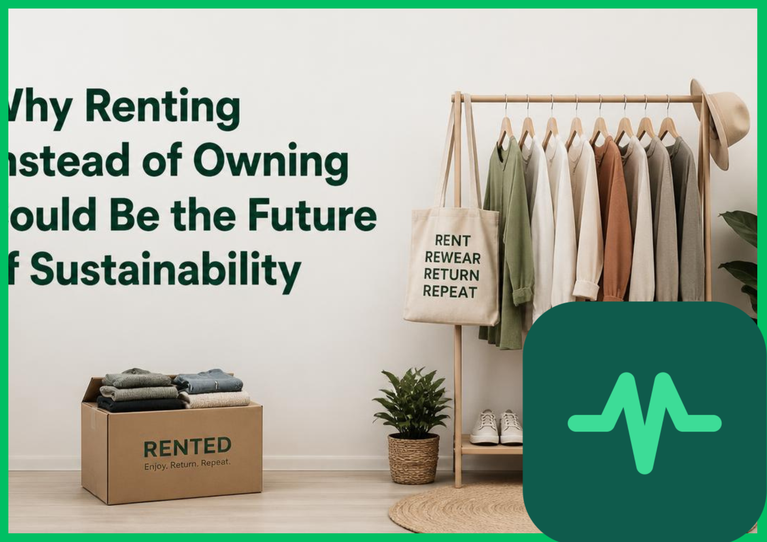
We're genuinely taught from a young age that owning things is the goal. Own a home. Own a car. Own your stuff. A quiet, growing counter-movement suggests something different, renting instead of owning might genuinely be better, both for your wallet and for the planet.
Let's talk honestly about why this shift is gaining real momentum, and whether it genuinely makes sense.
The Basic, Honest Idea Behind This Shift
The core concept is genuinely simple. Instead of everyone individually owning items they use only occasionally, tools, formal wear, camping gear, sharing access to these items reduces the total number that need to be manufactured in the first place.
This connects directly to the circular economy concepts we've explored throughout this series, keeping resources in genuine, active use rather than sitting idle in someone's garage or closet most of the time.
Why Ownership Genuinely Often Means Waste
Here's an honest, uncomfortable truth worth sitting with. Most items we own sit unused for the vast majority of their existence. A power drill, statistically, gets used for a genuinely tiny fraction of its total lifespan before ending up in a garage, unused.
Manufacturing that drill still required real materials and energy, regardless of how little it actually gets used. Renting or sharing access to items like this genuinely reduces the total manufacturing footprint required to meet everyone's occasional needs.
Real Examples Already Working in America
This isn't purely theoretical. Car sharing services let people access a vehicle when genuinely needed, without each individual owning and maintaining their own car that sits idle most of the day.
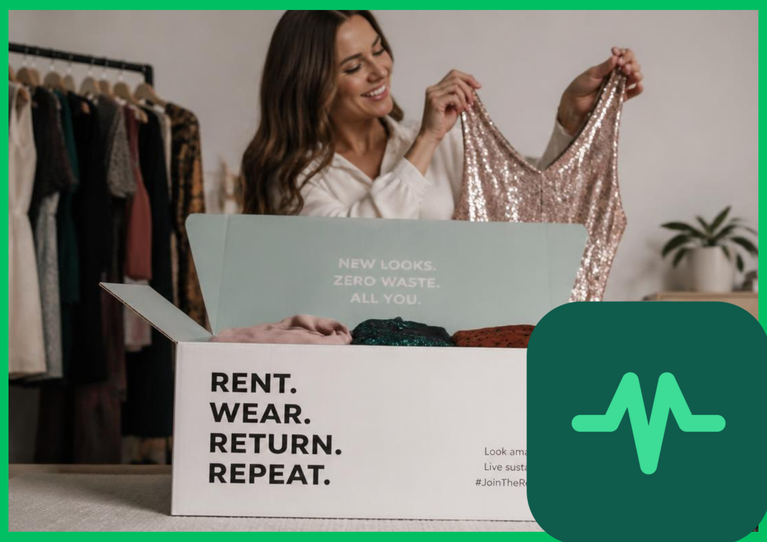
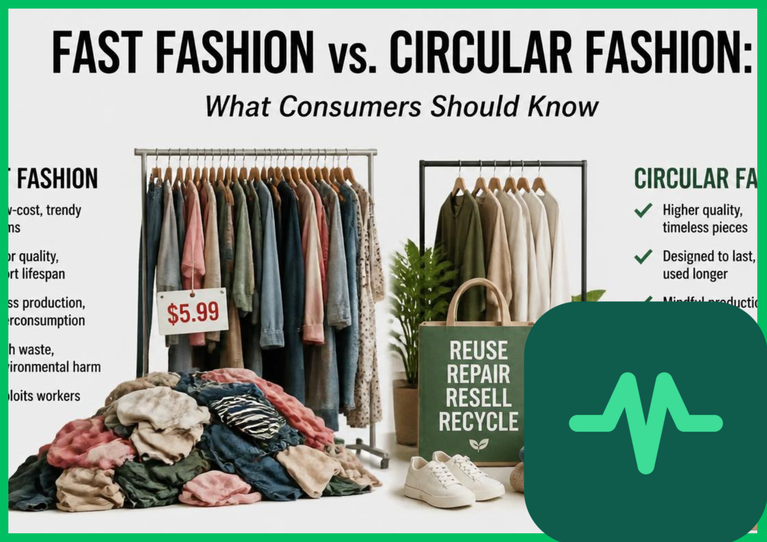
Tool libraries, genuinely growing in popularity in many American communities, let neighbors borrow tools rather than each household buying their own rarely-used equipment. Clothing rental services, which we touched on earlier, apply this same logic to fashion.
Why This Genuinely Makes Financial Sense Too
Beyond environmental benefit, renting instead of owning often genuinely makes financial sense for occasionally-used items. Why buy an expensive tool you'll use twice a year, when renting costs a genuine fraction of the purchase price?
This financial logic helps explain why this trend has grown organically, driven partly by genuine environmental awareness, partly by simple, practical economic sense that resonates with budget-conscious consumers too.
The Honest Trade-Offs Worth Understanding
Let's be fair about real trade-offs here. Renting genuinely means less personal convenience in some cases, you need to plan ahead, return items on time, and accept you don't have unlimited, immediate access whenever you want it.
There's also a genuine emotional or psychological factor worth acknowledging. Some people genuinely value ownership itself, beyond pure practical utility, and that's a legitimate personal preference worth respecting, not something to dismiss.
Why This Trend Connects to Broader Circular Economy Ideas
This rental and sharing movement genuinely fits within the broader circular economy framework we've explored throughout this article series. It's about keeping resources in genuine, active use, rather than sitting idle after a single limited use.
Combined with repair culture, recycling, and thoughtful consumption we've discussed elsewhere, renting represents one more genuine piece of this larger, interconnected sustainability puzzle.
Where This Model Genuinely Works Best
Not every item genuinely makes sense to rent rather than own. Items you use very frequently, your daily work laptop, your everyday clothing, genuinely make more sense to own outright.
Items you use rarely, specialized tools, formal event wear, camping equipment for occasional trips, genuinely make more sense within a rental or sharing model. Understanding this distinction helps you apply this thinking sensibly, rather than assuming renting is universally better for absolutely everything.
Why Businesses Are Genuinely Embracing This Model Too
Interestingly, some businesses have found genuine profit in this shift too, not just individual consumers. Subscription and rental business models can create more predictable, recurring revenue streams compared to one-time purchases.
This alignment between genuine environmental benefit and genuine business incentive helps explain why this trend keeps expanding into new categories, furniture, electronics, even household appliances in some markets.
The Genuine Community Angle Worth Appreciating
There's something genuinely appealing here beyond pure economics and environmental calculation. Sharing economy models, tool libraries especially, genuinely rebuild a sense of community connection that's become rarer in modern American life.
Borrowing a ladder from a neighbor, or through a local tool library, creates real, human connection that purely individual ownership doesn't naturally provide. That social dimension matters too, beyond just the practical sustainability math.
What This Means for Your Own Choices
You don't need to overhaul your entire lifestyle to genuinely benefit from this thinking. Consider renting rather than buying for genuinely rarely-used items, that expensive tool for a one-time home project, formal wear for a single special occasion.
For items you'll genuinely use regularly, ownership often still makes more practical sense. The genuine wisdom here lies in thoughtfully matching your approach to your actual usage pattern, rather than defaulting automatically to ownership for everything.
Common Questions About Renting vs. Owning for Sustainability
Is renting genuinely more sustainable than owning?
For infrequently used items, yes, generally. It reduces the total number of items that need manufacturing to meet everyone's occasional needs.
Does renting instead of owning genuinely save money too?
Often yes, for items used infrequently, though frequently used items usually still make more financial sense to own outright.
What kinds of items genuinely work best for renting or sharing?
Specialized tools, formal wear, camping equipment, and other infrequently used items genuinely suit this model best.
Are tool libraries and sharing services actually available in most American communities?
Availability genuinely varies by location, but this trend is growing steadily across many American cities and towns.
Final Thoughts
Renting instead of owning represents a genuinely quiet but meaningful shift in how we think about consumption and sustainability. It's not about abandoning ownership entirely, but about applying more thoughtful, honest judgment about what genuinely deserves individual ownership versus shared access.
This trend, combined with the circular economy, repair culture, and thoughtful consumption we've explored throughout this whole series, represents real, tangible progress toward a genuinely more sustainable relationship with the things we use, own, and share every day.
Comments (0)
Login to leave a comment.
No comments yet. Be the first to share your thoughts!