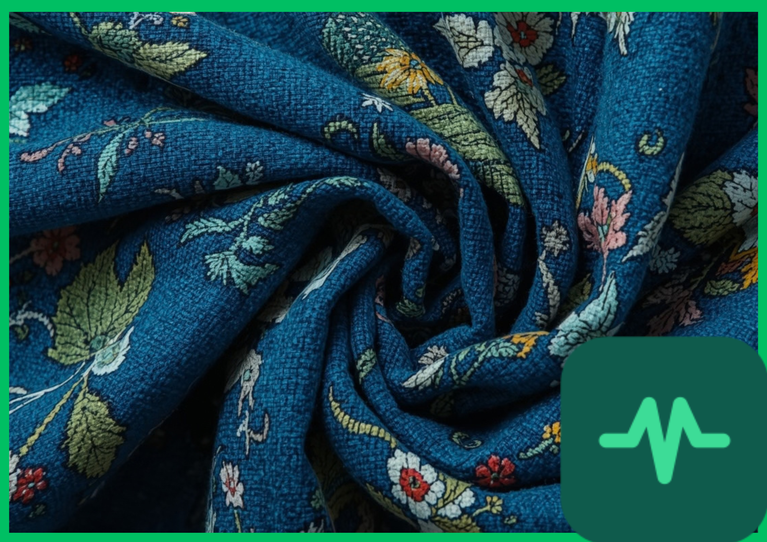
You pack them into a donation bag, hoping someone else will wear them.
The reality of global apparel is sobering. A massive percentage of donated clothing is never reworn. It gets shipped overseas, dumped in open landfills, or burned in massive incinerators.
The global fashion industry is caught in a severe waste crisis.
Fast fashion encourages us to buy cheap clothes and discard them instantly. That linear cycle produces millions of metric tons of textile waste every single year.
A technological revolution is finally offering a way out.
Innovative textile recycling technologies are turning old apparel waste back into high-quality new fibers, creating a circular fashion economy.
The Hidden Crisis of Fast Fashion
To understand why textile recycling matters, you have to look at what our clothes are made of.
Modern apparel is rarely made of pure cotton or wool anymore. To make clothes stretchy, wrinkle-resistant, and cheap, manufacturers blend natural fibers with synthetic plastics like polyester and nylon.
Blending natural and synthetic fibers creates a recycling nightmare.
When a blended fabric is thrown away, it cannot be easily sorted or broken down. It sits in a landfill for hundreds of years, shedding microplastics into soil and water systems.
Traditional mechanical recycling—shredding old clothes into low-grade insulation or stuffing—only delays the inevitable trip to the landfill.
We needed a scientific breakthrough to break fabrics down to their molecular level.
Mechanical vs. Chemical Recycling
Textile recycling relies on two primary technological pathways: mechanical recycling and chemical recycling.
Mechanical recycling involves chopping, tearing, and shredding old garments into raw fibers, which are then spun into new yarn. While effective for pure, high-quality cotton or wool, mechanical recycling shortens the fibers, reducing the strength and quality of the resulting fabric.
Chemical recycling is where the true revolution is happening.
Chemical recycling breaks blended fabrics down at the molecular level.
Using specialized solvents, heat, and depolymerization techniques, chemical plants dissolve synthetic polyester threads while separating out natural cotton fibers.
The polyester is cleaned, melted, and extruded into brand-new virgin-quality synthetic yarn. The cotton is recovered and spun into fresh natural thread.
Nothing is wasted, and the resulting fibers are just as strong and soft as newly mined petroleum plastics or newly harvested cotton crops.
Overcoming Sorting and Collection Hurdles
Developing the chemical recycling technology was only the first hurdle. Scaling the industry requires solving massive logistical challenges.
Sorting millions of tons of old clothing by hand is slow, expensive, and error-prone.
Modern recycling facilities are introducing automated sorting systems powered by artificial intelligence and optical scanners.
As garments move along high-speed conveyor belts, infrared sensors scan the fabric composition in milliseconds, sorting t-shirts, jeans, and jackets into precise categories based on fiber content.
This automated sorting makes large-scale industrial recycling economically viable.
The Rise of the Circular Fashion Economy
The transition toward circular fashion is transforming how apparel brands design their products.
Forward-thinking fashion houses are designing garments specifically with recycling in mind, avoiding complex chemical blends and using mono-materials that are easily processed by chemical recycling plants.
Consumers can finally return worn-out garments to retail stores, knowing those clothes will be broken down and spun into tomorrow's wardrobe.
Closing the Loop on What We Wear
Textile recycling proves that we can enjoy fashion without destroying the planet.
By replacing linear waste with advanced mechanical and chemical recycling technologies, we are closing the loop on global apparel.
Clean up your closet, support brands embracing circular manufacturing, and watch as our wardrobe waste transforms into the sustainable fabric of the future.



Comments (0)
Login to leave a comment.
No comments yet. Be the first to share your thoughts!