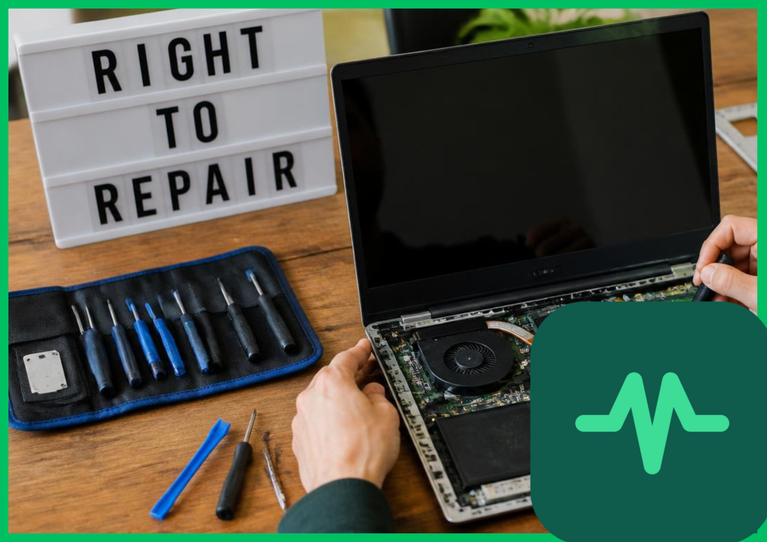
Your phone screen cracks. You want to fix it yourself, or take it somewhere cheaper than the manufacturer's official repair shop. Suddenly, you discover the parts aren't sold to independent repair shops, and the manufacturer makes it genuinely difficult to fix.
Sound familiar? This frustration sparked a real, growing movement called right to repair. Let's talk honestly about what it actually means, and why it's genuinely gaining momentum across America.
Right to Repair, Explained Simply
Right to repair refers to the idea that consumers, and independent repair shops, should have genuine access to the parts, tools, and information needed to fix products they own, rather than being forced back to the original manufacturer every single time.
This sounds almost obviously reasonable when you say it plainly. For years, though, many manufacturers made independent repair genuinely difficult, sometimes deliberately, through restrictive designs and withheld repair information.
Why Manufacturers Restrict Repairs in the First Place
Let's be honest about the real motivation here. Manufacturers often make more money when consumers use their official, expensive repair services, or better yet, simply buy a brand-new replacement product entirely.
This creates a genuine conflict of interest. The company that designs your phone or appliance also profits from making it hard to fix, giving them little natural incentive to make independent repair genuinely easy or affordable.
Real Examples of This Problem in Everyday Life
This isn't abstract. Plenty of people have experienced this frustration directly. A tractor with a software lock preventing farmers from performing repairs themselves, forcing them to wait for an authorized dealer, sometimes for days, during critical planting or harvest season.
A smartphone with a battery that's deliberately difficult to replace, pushing owners toward buying an entirely new phone rather than a simple, cheap battery swap. A gaming console with parts deliberately withheld from independent repair shops. These real examples genuinely fueled public frustration.
Why This Movement Gained Real Momentum
Consumer frustration alone doesn't always translate into real policy change. Right to repair, though, has genuinely gained traction because it resonates across genuinely different groups.
Farmers, frustrated by restrictive tractor repair policies, became genuine advocates. Environmentalists, concerned about unnecessary electronic waste from products that get discarded rather than repaired, joined the cause too. Budget-conscious consumers, simply tired of expensive official repairs, added their voices as well.
States Are Actually Passing Real Laws Now
This movement isn't just talk anymore. Several American states have passed genuine right to repair legislation, requiring manufacturers to make parts, tools, and repair information available to consumers and independent repair shops.
New York, Colorado, and several other states have led the way here, with more states actively considering similar legislation. This represents real, tangible policy change, not just consumer complaints falling on deaf ears.
What This Actually Means for Your Electronics
If you live in a state with right to repair laws, you should genuinely find it easier to fix your own phone, laptop, or other electronics, or take them to an independent repair shop instead of an expensive official one.
Manufacturers covered by these laws must make replacement parts and repair manuals genuinely available, rather than restricting them exclusively to their own authorized service centers.
Why This Matters for the EV and Battery World Too
Right to repair extends beyond phones and laptops. It's becoming a genuinely important issue in electric vehicles too, where manufacturers have sometimes restricted independent mechanics from accessing the diagnostic tools and information needed for repairs.
As EVs become more common, this issue will only grow more important, ensuring owners aren't forced exclusively into expensive dealer service for basic repairs and maintenance.
The Environmental Angle Worth Understanding
Here's something genuinely important beyond just consumer convenience. Making products harder to repair pushes people toward buying replacements more often, creating real, unnecessary electronic waste.
Right to repair genuinely supports environmental sustainability by extending product lifespans. A phone that's easy to repair stays in use longer, rather than heading to a landfill simply because a minor, fixable component failed.
Why Manufacturers Have Started Changing Course
Facing genuine public pressure and new state laws, some major manufacturers have actually started changing their own policies voluntarily, offering repair manuals and parts more openly than they used to.
This shift didn't happen out of pure goodwill, honestly. It happened because sustained consumer pressure and real legislative threats made the old restrictive approach genuinely costly, both financially and reputationally.
What You Can Do as a Consumer
If right to repair matters to you, it's genuinely worth supporting relevant legislation in your own state, through public comments, contacting representatives, or simply staying informed about upcoming bills.
When shopping for new products, you can also factor repairability into your decision, some manufacturers genuinely prioritize repair-friendly design more than others, and rewarding that with your purchase sends a real market signal.
Why This Feels Like a Genuine Consumer Win
There's something deeply satisfying about watching regular consumer frustration translate into real, tangible policy change. Right to repair represents a genuine shift in power, back toward the people who actually own these products, rather than the companies that merely sold them.
This matters beyond just saving money on repairs, though that's genuinely valuable too. It represents a broader principle worth caring about: when you buy something, you should genuinely own it, including the right to fix it yourself, or choose who does.
Common Questions About Right to Repair
Which states currently have right to repair laws?
New York and Colorado are among the leaders, with several other states actively considering similar legislation right now.
Does right to repair apply to cars and EVs too?
Increasingly yes, particularly regarding diagnostic tools and repair information that independent mechanics need access to.
Why did manufacturers restrict repairs in the first place?
Largely financial motivation, official repairs and new product sales are typically more profitable than making independent repair genuinely easy.
Does right to repair actually help the environment?
Yes, by extending product lifespans and reducing unnecessary electronic waste from products discarded over easily fixable problems.
Final Thoughts
The right to repair movement represents something genuinely encouraging, ordinary consumer frustration turning into real, meaningful policy change across multiple states. It's not finished yet, but genuine progress is happening.
If you've ever felt frustrated trying to fix something you own, only to hit a wall of restricted parts or withheld information, this movement is fighting for you directly. And in a growing number of states, it's genuinely winning.




Comments (0)
Login to leave a comment.
No comments yet. Be the first to share your thoughts!