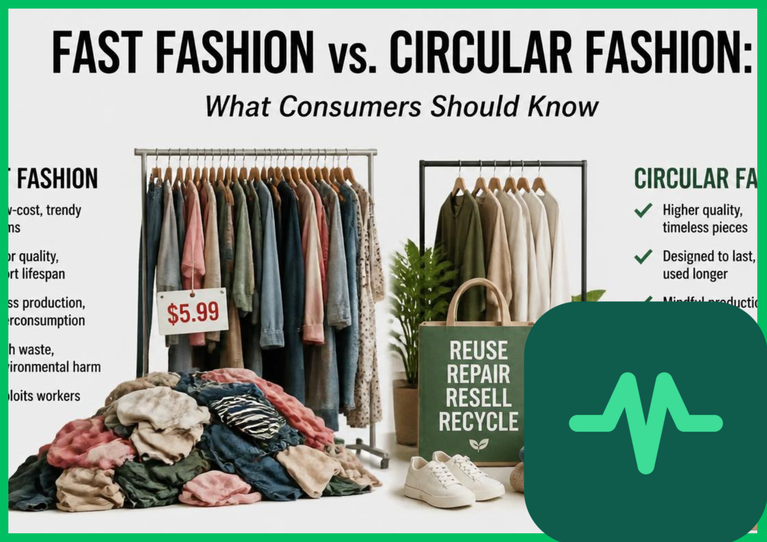
That trendy shirt you bought for fifteen dollars, wore twice, then forgot about? It's part of a genuinely massive, often overlooked environmental problem called fast fashion. There's a real alternative gaining momentum, though, called circular fashion.
Let's talk honestly about what's actually happening in your closet, and why this comparison genuinely matters more than most people realize.
Fast Fashion, Explained Simply
Fast fashion refers to the business model of producing clothing genuinely quickly and cheaply, following rapid trend cycles, encouraging consumers to buy frequently and discard items after minimal use.
This model exploded over the past couple decades, making trendy clothing genuinely affordable and accessible. That accessibility, though, comes with a real, honest environmental cost that often gets overlooked in the excitement of a cheap new outfit.
The Honest Environmental Cost of Fast Fashion
Let's be real about the numbers here. The fashion industry is genuinely one of the most polluting industries in the world, responsible for significant water usage, chemical pollution, and textile waste.
Cheap, fast fashion garments are often designed for genuinely short lifespans, made with lower-quality materials that wear out quickly, encouraging yet another purchase. This creates a real, ongoing cycle of consumption and waste that's genuinely hard to break.
Where All That Discarded Clothing Actually Goes
Here's something genuinely uncomfortable to confront honestly. Americans discard staggering amounts of clothing every year, and most of it doesn't get genuinely recycled, it ends up in landfills instead.
Textile recycling remains genuinely difficult and limited, similar to plastic recycling's honest challenges. Mixed fabric blends, common in cheap fast fashion garments, are particularly hard to process and recycle effectively using current technology.
Circular Fashion: A Genuinely Different Approach
Circular fashion offers a fundamentally different model. Instead of the traditional "make, wear briefly, discard" pattern, circular fashion aims to keep clothing in genuine use for as long as possible, through repair, resale, rental, and eventually, genuine recycling.
This mirrors the broader circular economy concept we've discussed elsewhere, applied specifically to clothing and textiles.
Why Secondhand Shopping Is Genuinely Booming
Here's some genuinely encouraging news. Secondhand and resale clothing shopping has grown dramatically across America in recent years, driven partly by genuine environmental awareness and partly by simple economic sense.
Buying secondhand clothing genuinely extends a garment's useful life, reducing the demand for new production and keeping items out of landfills longer. This represents real, tangible progress toward more circular fashion habits, one purchase at a time.
Clothing Rental: A Genuinely Growing Option
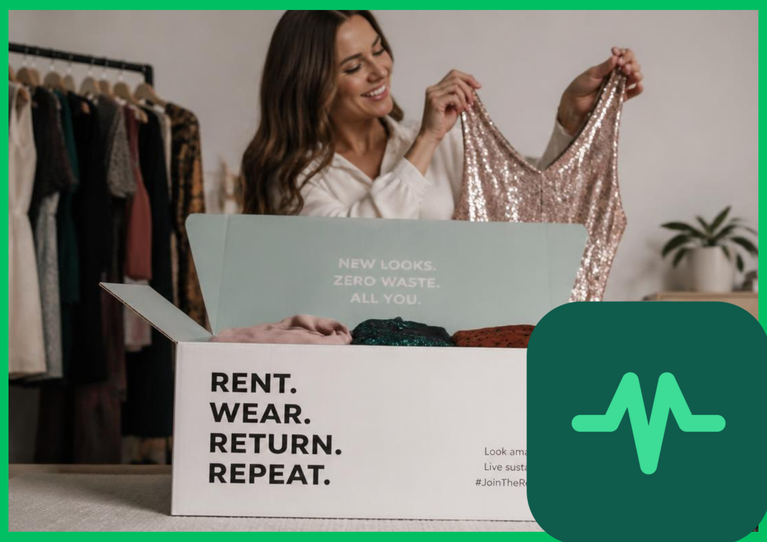
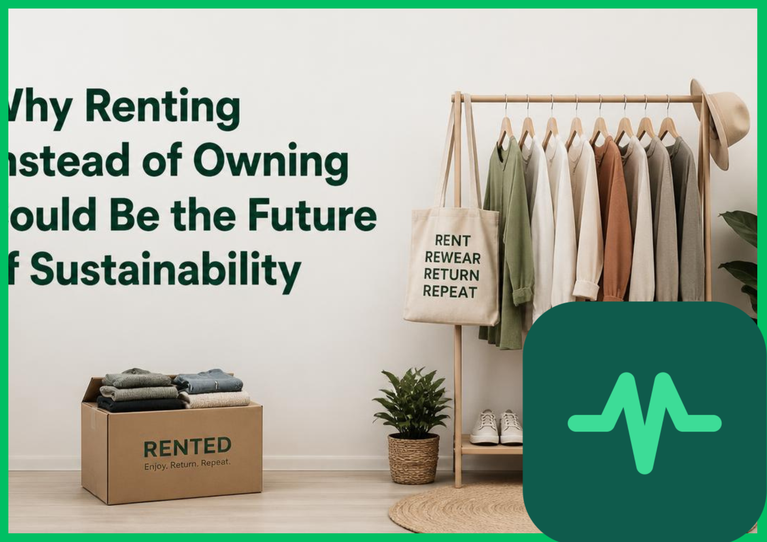
Clothing rental services have emerged as another genuine piece of the circular fashion puzzle, particularly for special occasion wear or trendy items you might only genuinely want to wear once or twice.
Instead of buying, wearing briefly, then discarding an item, rental services let multiple people genuinely enjoy the same garment over its full useful lifespan, dramatically reducing the overall environmental footprint per wear.
Why Repair Culture Matters More Than People Realize
Here's a genuinely simple, often overlooked piece of circular fashion. Repairing clothing, rather than discarding it at the first sign of wear, genuinely extends its useful life significantly.
This connects directly to the right to repair conversation too, having access to genuine repair skills, whether your own or a local tailor's, keeps clothing in use longer, reducing the constant cycle of new purchases that fast fashion genuinely encourages.
What Sustainable Fashion Brands Are Actually Doing
Some clothing companies have genuinely embraced circular principles, using recycled materials, designing for genuine durability and eventual recyclability, and offering official take-back programs for worn-out garments.
It's worth noting honestly that not every brand claiming "sustainability" backs it up with genuine substance, similar to the greenwashing concerns we discussed with bioplastics. Look for genuinely specific claims and real transparency, not just vague, feel-good marketing language.
Why This Matters Beyond Just Environmental Concerns
There's a genuine human cost to fast fashion worth understanding too. Extremely cheap clothing production often relies on genuinely low wages and difficult working conditions in the countries where these garments actually get manufactured.
Circular fashion, particularly when it emphasizes quality and durability over sheer volume, can genuinely support better labor practices too, since it doesn't depend on the constant, breakneck production pace that fast fashion demands.
Practical Steps Toward More Circular Habits
You don't need to overhaul your entire wardrobe overnight to make genuine progress here. Consider buying secondhand for items you'll wear occasionally. Repair genuinely favorite pieces rather than immediately replacing them.
When buying new, consider genuinely investing in higher-quality, more durable pieces you'll actually wear for years, rather than cheap items destined for quick discard after just a few wears.
Why This Feels Like Genuine Empowerment
There's something genuinely satisfying about recognizing your own purchasing choices as real, meaningful votes in this bigger story. You don't control the entire fashion industry, obviously, but your individual choices genuinely add up when combined with millions of other consumers making similar decisions.
Choosing secondhand, repairing instead of discarding, buying genuinely less but better, these are real, tangible actions within your own direct control.
Common Questions About Circular Fashion
What's the main problem with fast fashion?
It encourages rapid, cheap production and quick disposal, creating genuinely significant environmental waste and pollution, plus concerning labor practices in many cases.
Is buying secondhand clothing genuinely better for the environment?
Yes, it extends a garment's useful life and reduces demand for new production, genuinely lowering the overall environmental footprint per item worn.
Can all clothing actually be recycled?
No, mixed fabric blends common in fast fashion are particularly difficult to recycle effectively using current textile recycling technology.
How can I tell if a fashion brand's sustainability claims are genuine?
Look for specific, transparent information about materials and practices, rather than vague marketing language that doesn't back up its claims with real substance.
Final Thoughts
Fast fashion versus circular fashion represents a genuinely important, often overlooked piece of the broader sustainability conversation. Your closet is part of a bigger story than most of us stop to consider.
Small, genuine shifts toward more circular habits, secondhand shopping, repair, buying less but better, genuinely add up over time. It's not about perfection. It's about making more thoughtful, informed choices than the fast fashion model genuinely encourages.
Comments (0)
Login to leave a comment.
No comments yet. Be the first to share your thoughts!